Overview
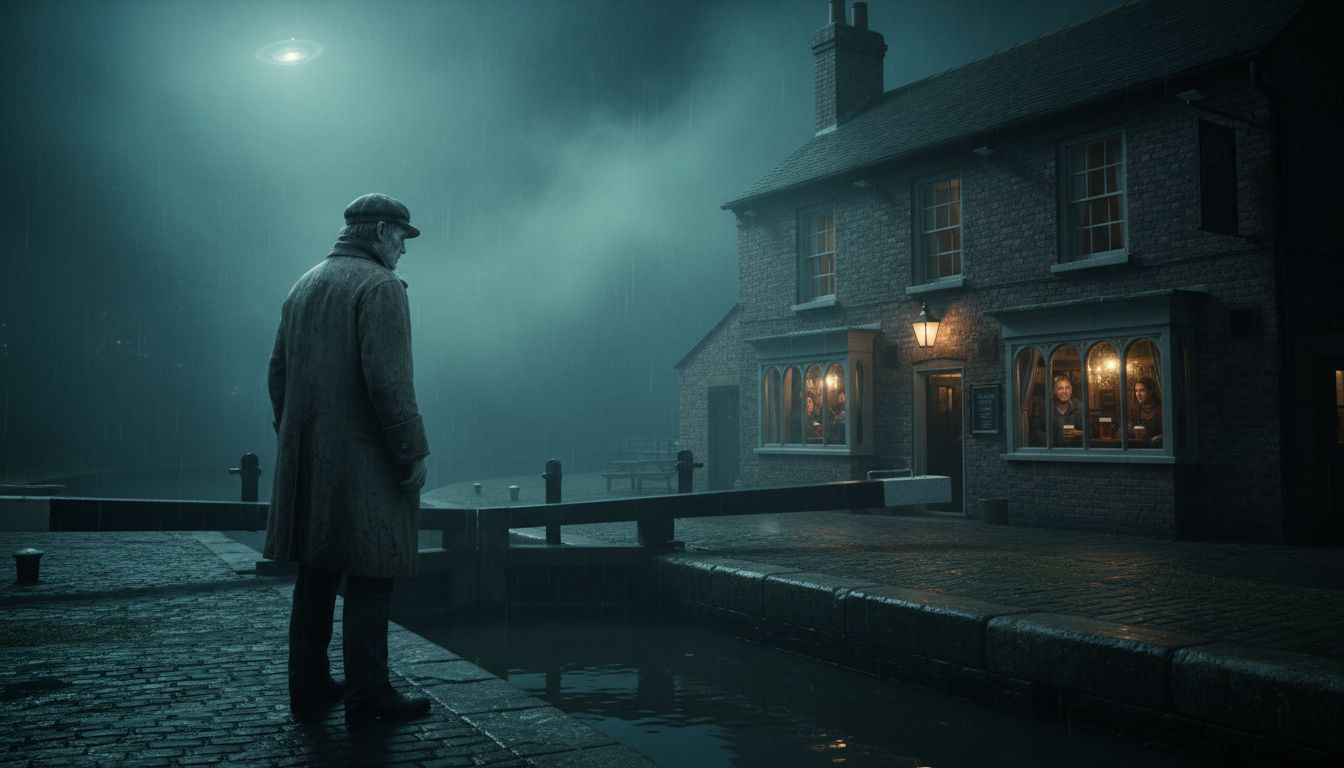
The Portobello Bar, a historic public house that has stood on Dublin’s Grand Canal since 1793, has recently re‑emerged on the city’s “haunted‑pub” circuit. While the venue’s long‑standing reputation rests on its role during the 1916 Easter Rising and its classic Irish ambience, a separate narrative has taken hold among locals and visitors: the claim that a 19th‑century lock keeper’s spirit haunts the bar and the adjacent canal lock. The story, circulated through word‑of‑mouth and social‑media posts, centers on an alleged accident that cost lives and allegedly led the keeper to die by the water’s edge, leaving a lingering presence that some patrons describe as unsettling.
Historical Background
The Portobello Bar, originally known as Davy’s, occupies a brick façade that overlooks the Grand Canal’s towpath and the lock that connects the canal to the River Liffey. During the 1916 Easter Rising, rebels seized the building for its strategic proximity to the nearby Portobello Barracks, using it as a firing point against advancing British troops. The episode left a “blood‑stained” imprint on the cobblestones outside the pub, a fact documented in contemporary accounts and local archives. The lock itself, constructed in the early 1800s, was a vital part of Dublin’s inland waterway system, employing a keeper to operate the gates and manage traffic.
The Legend of the Lock Keeper
According to the legend, the lock keeper—whose name has been lost to history—made a critical error that caused a horse‑drawn carriage to plunge into the canal, killing its occupants. Some versions of the tale suggest the keeper acted out of negligence; others allege he was intoxicated at the time. The aftermath, as recounted in local folklore, saw the keeper dismissed from his post and, overwhelmed by guilt, either take his own life near the water’s edge or meet a “mysterious” end under unclear circumstances. The narrative has been passed down through generations, often embellished in informal settings, and now forms the core of the bar’s modern ghost story.
Witness Accounts
Patrons and staff at the Portobello Bar have reported a range of experiences that they attribute to the keeper’s lingering spirit. “I was closing up on a quiet night when the temperature dropped suddenly, even though the fireplace was roaring,” said Eoin O’Leary, a longtime bartender. “I heard a faint clink of glasses from an empty corner, and when I turned, there was no one there.” Regulars echo similar sensations: Siobhán Murphy, a local historian who frequents the venue, noted, “On still evenings I’ve felt a brief dizziness while walking the towpath, as if something brushed past me.” Some visitors claim to have seen a “shadowed figure” standing by the lock, though no photographic evidence has emerged. The bar’s management has neither confirmed nor denied these reports, noting that “unusual occurrences are part of the pub’s character and add to its charm for many guests.”
Cultural Impact and Perspective
The Portobello’s ghost narrative fits within a broader Irish tradition of intertwining history with folklore, especially in settings where past trauma and communal memory intersect. Scholars of Irish cultural heritage caution against conflating documented historical events with anecdotal paranormal claims. Dr. Aisling Ní Bhraonáin, a lecturer in Irish studies at Trinity College, remarks, “While the 1916 involvement of the pub is well‑recorded, the lock‑keeper story lacks archival corroboration and should be viewed as contemporary folklore rather than factual history.” Nonetheless, the legend contributes to the bar’s appeal, drawing tourists seeking “authentic” experiences and supporting local businesses that capitalize on Dublin’s rich storytelling legacy.
The Portobello Bar remains a bustling fixture of Dublin’s social scene, its walls bearing witness to centuries of civic life, rebellion, and now, whispered tales of a restless keeper. Whether the reported chills, unexplained sounds, or fleeting shadows are products of imagination, atmosphere, or something else, they underscore the enduring power of narrative to shape how we experience historic spaces.