Overview
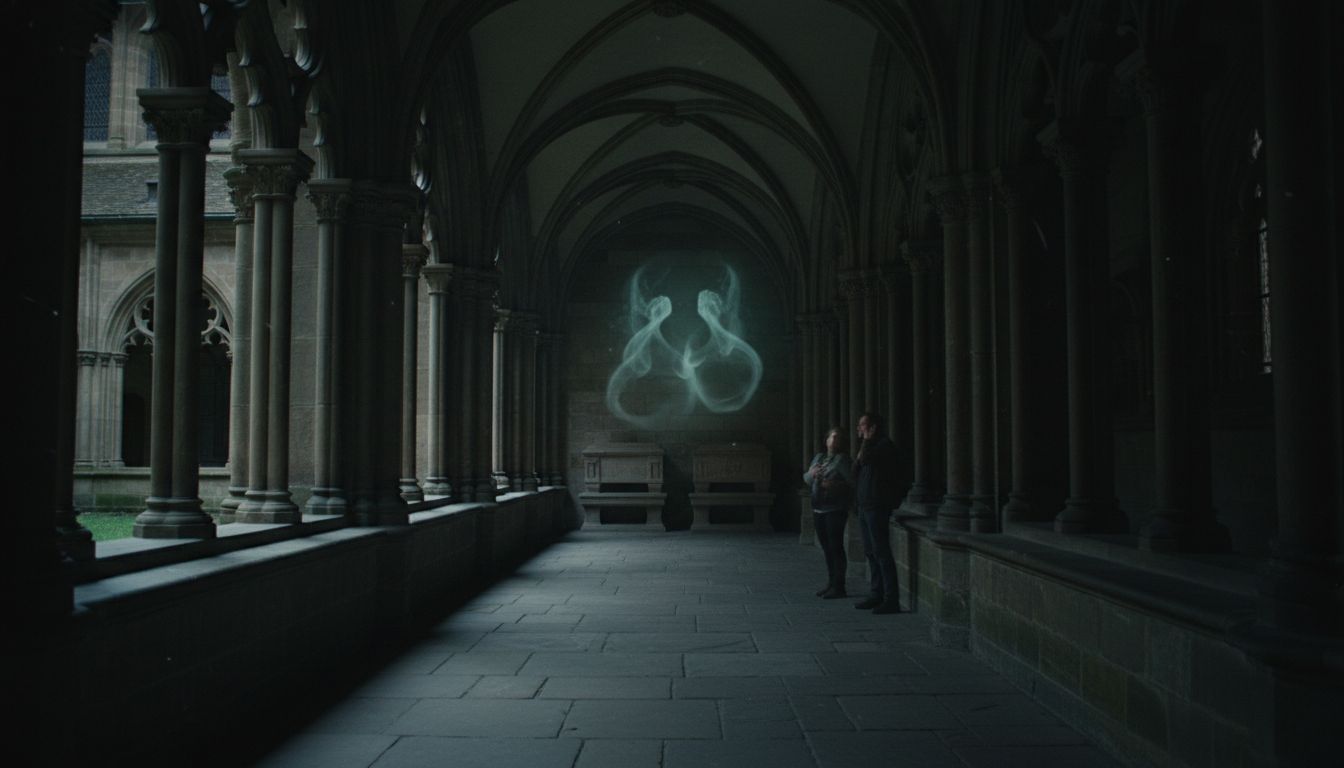
The twin cloisters that flank Basel Cathedral—commonly referred to as the Double Cloister—have long been a focal point for local folklore. Visitors and residents alike recount eerie experiences ranging from faint, suffocating moans to sudden, inexplicable slaps felt on the shoulder. While the stories echo the city’s medieval past, the phenomenon remains unverified by scientific investigation, prompting both curiosity and caution among historians and paranormal researchers.
Historical Background
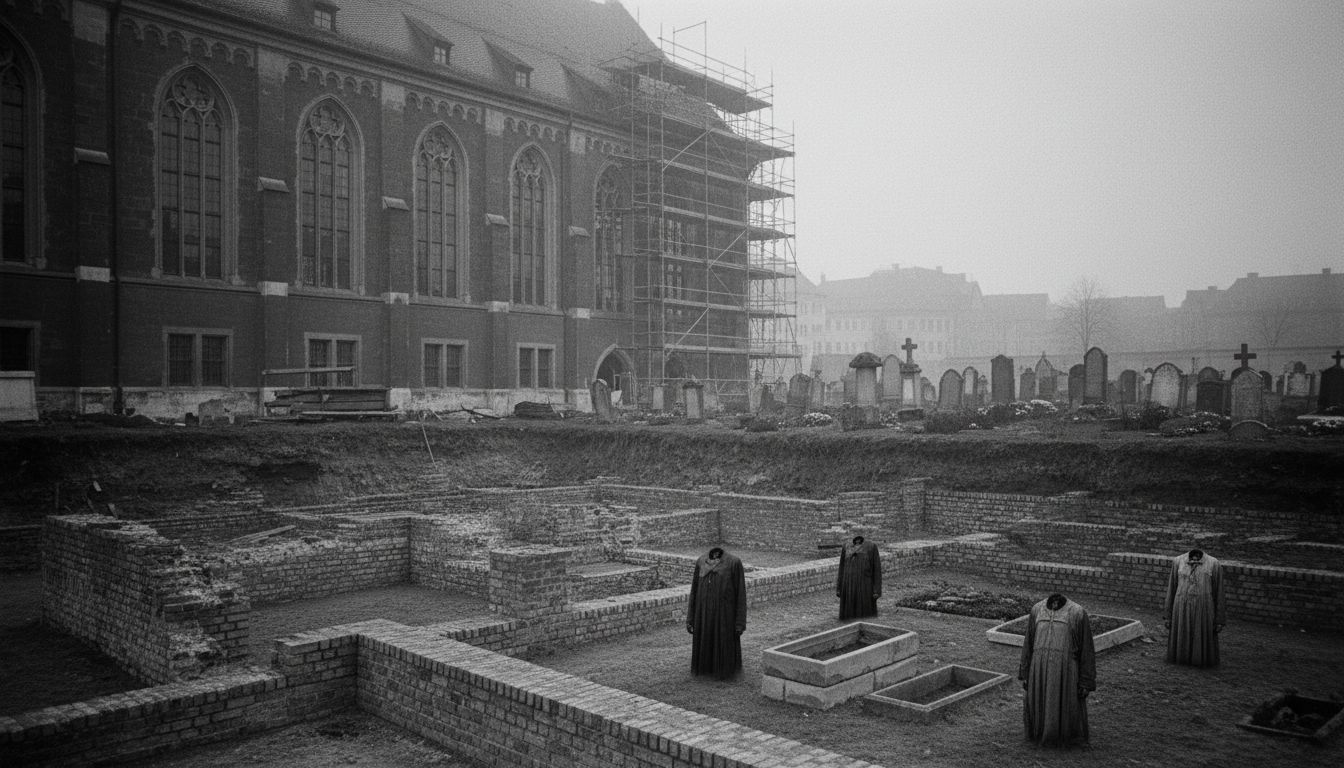
Constructed in the 15th century, the cloisters originally served the monastic community of Basel Minster, housing up to six altars for liturgical rites. After the Reformation in the 1520s, one of the cloisters was repurposed as a marketplace, yet it continued to function as a cemetery for Basel’s upper‑middle class—the so‑called Münster Cemetery. Ornately carved gravestones still line the shaded arcades, some dating to the 17th century, and burials reportedly continued into the late 1800s. The dual‑cloister layout, linked by an open garden, creates a secluded environment that has preserved both the physical remnants of the past and the intangible narratives that accompany them.
Reported Phenomena
According to accounts compiled by the online portal Moon Mausoleum (published 23 March 2026), witnesses describe hearing a “man slowly suffocating” and feeling an “unsuspected slap” that leaves a lingering chill. One tourist, who asked to remain anonymous, told the site’s editors, “I was walking through the eastern arcade at dusk when I heard a low, gurgling moan and then felt a sharp tap on my back. It stopped as quickly as it began, but the feeling lingered for minutes.” Similar testimonies have been recorded in guidebooks and local tour narratives, often shared during evening walks through the cloisters when “the evening mist curls in from the Rhine.”
The stories emphasize a malevolent presence, described as “as mean in death as he was in life.” Yet, no forensic or acoustic analysis has been conducted to substantiate the claims, and the cloisters’ stone architecture can naturally amplify ambient sounds, especially during temperature inversions common in Basel’s autumn evenings.
Expert Commentary
Local historian Dr. Lena Keller of the University of Basel cautions against drawing definitive conclusions:
“The Double Cloister is a rich tapestry of architectural and social history. While the anecdotal reports are compelling, they often reflect the human tendency to interpret ambiguous sensory experiences through the lens of existing legends.”
Dr. Keller notes that the practice of interring prominent citizens within church precincts was typical across Europe and that burial within a cloister was a status symbol. She adds that “the psychological impact of being in a space that housed centuries of death can heighten suggestibility, especially when visitors are primed by prior stories.”
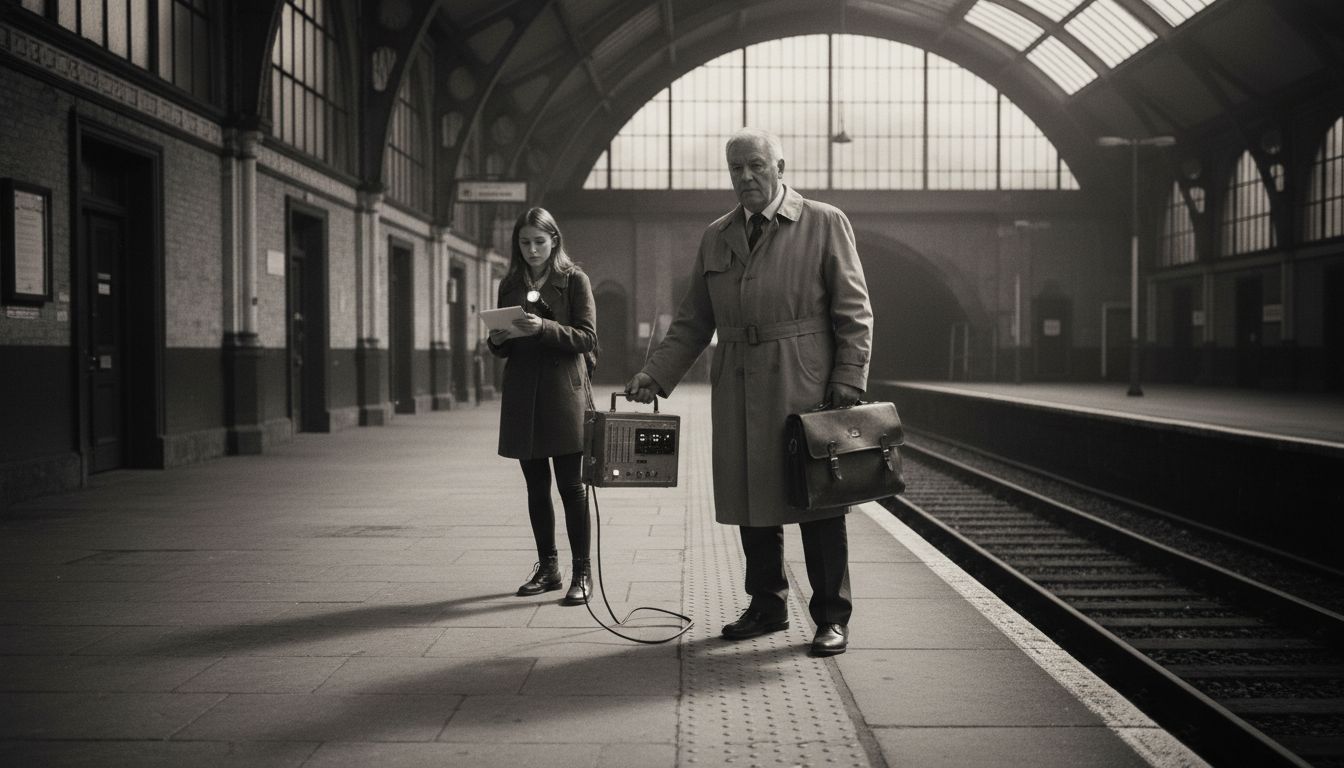
Paranormal investigator Marco Weber, who has surveyed the site with infrared cameras, reported “no anomalous visual activity” but did observe fluctuations in temperature near certain gravestones, a phenomenon he attributes to the stone’s thermal mass rather than supernatural causes.
Cultural Impact
Regardless of empirical validation, the haunting narrative has become part of Basel’s cultural fabric. Local tour operators now include the Double Cloister in “Ghost Walks,” and the story features in regional folklore compilations, such as the recent “World Map of the Paranormal – Switzerland” collection. The city’s heritage office acknowledges the folklore’s role in drawing tourism while emphasizing preservation:
“We encourage respectful visitation of the cloisters. Their architectural significance and the memories of those interred deserve protection, whether the stories are fact or folklore.”
The interplay between documented history and oral tradition continues to shape public perception of the site, underscoring how collective memory can animate stone and mortar long after the original rites have faded.
Looking Ahead
Future research could benefit from interdisciplinary collaboration—combining archival studies, acoustic engineering, and environmental monitoring—to explore why the Double Cloister elicits such vivid reports. Until then, the cloisters remain a quiet sentinel of Basel’s past, inviting both reverence for its centuries‑old stones and contemplation of the stories that reverberate within its arches.