Overview
The narrow, covered wooden staircase known as the Fricktreppe—a 14th‑century passage that links Bern’s Münsterplatz with the riverbank of the Aare—has long been a point of interest for tourists and residents alike. In recent weeks, local media have reported a resurgence of anecdotal sightings and sensations that many attribute to the restless spirit of Hans Franz Nägeli, a 16th‑century magistrate who served as Bern’s chief magistrate (Schultheiß) from 1540 to 1568. While the legend of a ghostly presence adds a layer of intrigue to the historic site, historians emphasize Nägeli’s documented political and military contributions, noting that the folklore reflects broader cultural memory rather than verifiable paranormal activity.
Historical Context
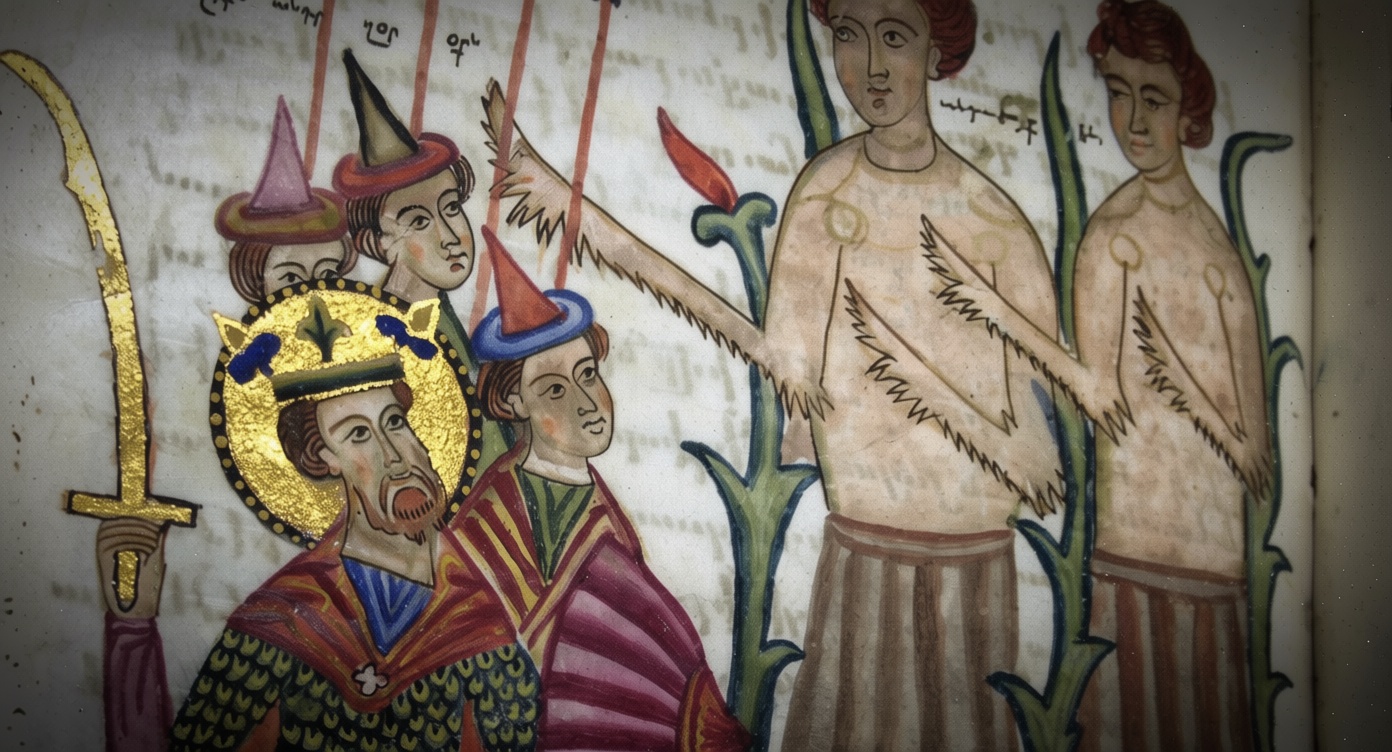
Hans Franz Nägeli (c. 1497 – 9 January 1579) rose from modest origins to become one of Bern’s most influential leaders. His military command during the 1536 conquest of Vaud expanded the city’s territory into the French‑speaking region, and his diplomatic work helped consolidate Bern’s position within the Swiss Confederation. As Schultheiß, Nägeli oversaw civic administration for nearly three decades, a tenure that “shaped the legal and economic framework of the city,” according to Bern historian Dr. Elisa Keller of the University of Bern. The magistrate’s legacy is well documented in municipal archives, yet the passage of time has allowed myth to intertwine with fact.
The Legend of the Fricktreppe
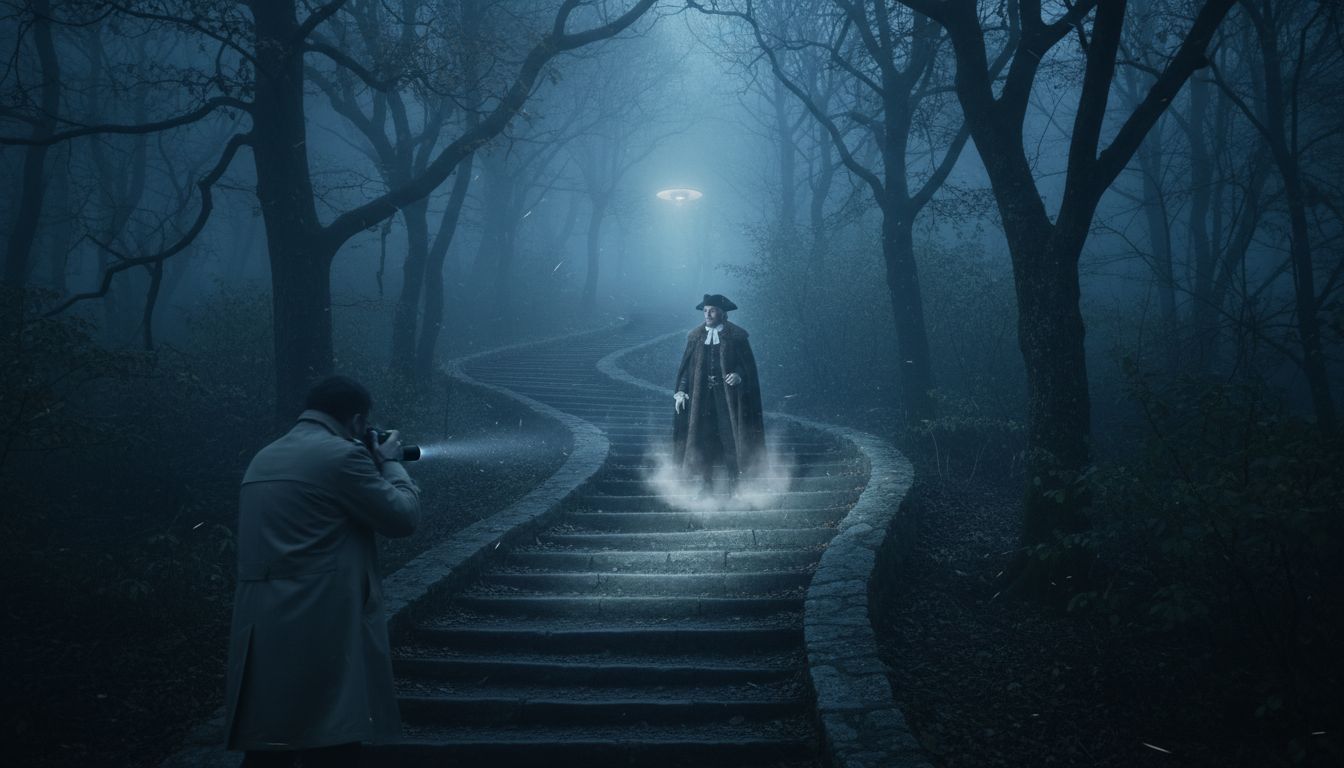
According to the popular narrative circulating on the Moon Mausoleum website and echoed in local folklore, Nägeli’s spirit is said to haunt the Fricktreppe, appearing to anyone who calls his name three times. The story describes “cold drafts, faint footsteps, and an inexplicable feeling of being watched” as the hallmarks of the apparition. The staircase itself, with its 183 aged wooden steps, creaking boards, and a roof that muffles the river’s roar, provides a naturally eerie backdrop that fuels such accounts. Proponents of the legend argue that Nägeli’s “unresolved attachment to the city he once ruled” binds his soul to the steps where he allegedly spent many public moments.
Witness Accounts
Visitors to the Fricktreppe after dusk have reported a range of experiences. Miriam Schmid, a local shop owner, told the Berner Zeitung that she felt “a sudden chill and heard a soft tread on the steps even though the area was empty.” Similarly, university student Lukas Meier recounted hearing “a distant, muffled voice that seemed to echo the name ‘Nägeli’” while taking a shortcut home. Both accounts, while evocative, lack corroborating evidence such as audio recordings or video, and the reporters note that the staircase’s acoustic properties can amplify wind and structural noises, often leading to misinterpretation.
Scholarly Perspective
Experts in Swiss cultural history caution against conflating folklore with factual history. Dr. Keller remarks, “Legends like the Nägeli ghost serve as a communal way of processing the past; they are not proof of supernatural activity.” She adds that the Fricktreppe’s status as a heritage site—protected for its architectural value and its role in Bern’s medieval urban layout—makes it a natural focal point for storytelling. Paranormal researcher Andreas Roth from the Swiss Society for Anomalous Phenomena acknowledges the consistency of the reports but stresses the need for systematic investigation, recommending controlled environmental monitoring to differentiate between natural and perceived phenomena.
The persistence of the Nägeli ghost story illustrates how historic figures can become woven into the cultural fabric of a city long after their death. While the Fricktreppe remains a beloved landmark for its aesthetic and historical significance, the legend adds a layer of mystery that continues to attract curious visitors, prompting both respectful preservation of the site and a measured, evidence‑based approach to any claims of the supernatural.