Overview
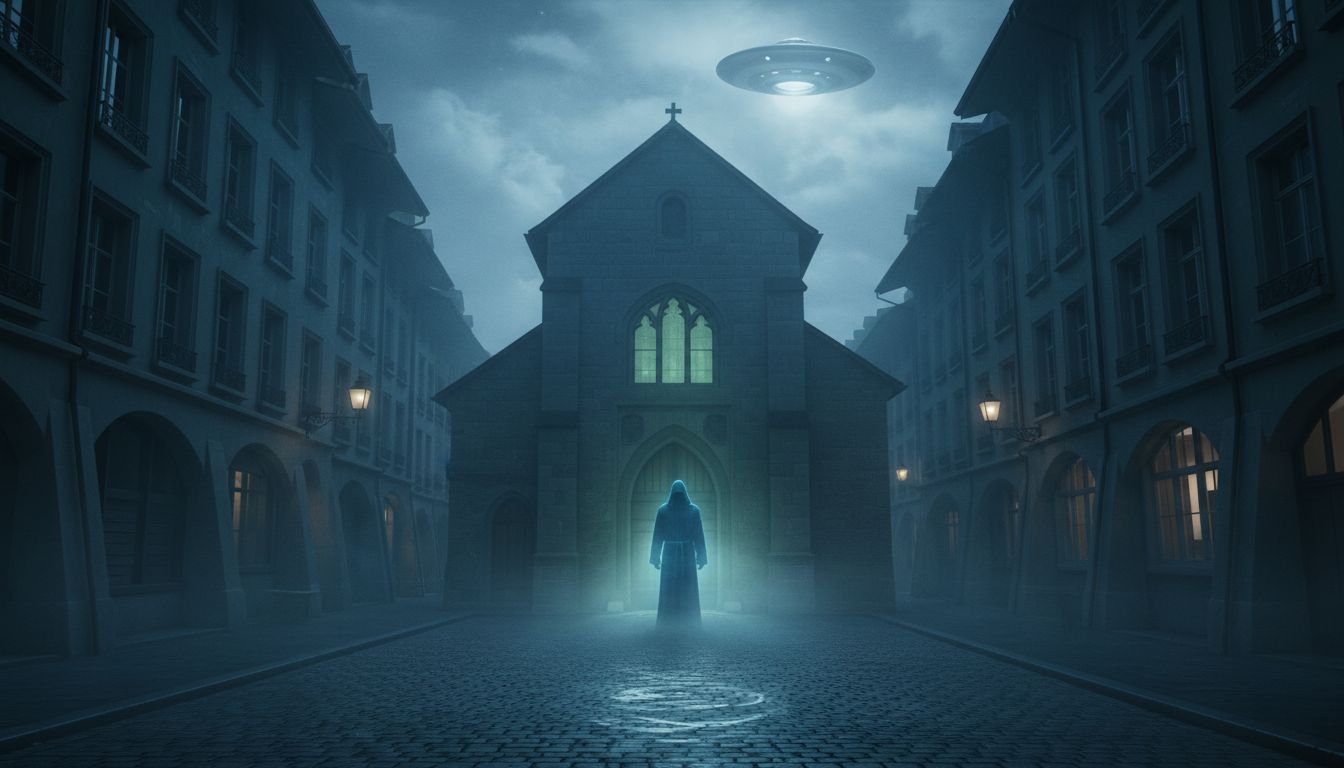
Bern’s narrow, cobbl‑strewn lane of Junkerngasse has long attracted the curiosity of residents and visitors alike. Recent posts on the paranormal website Moon Mausoleum describe the street as possibly “the most haunted in Bern,” centering on a former urban monastery that once housed Cistercian monks from Frienisberg Abbey. According to the site, a monk who allegedly committed an “unspeakable sin” remains trapped in the building, his body and soul never having left the site. While the tale is steeped in local folklore, historians confirm that a modest monastic residence did indeed occupy the location until the post‑Reformation era, when it fell into disuse and was eventually demolished.
Historical Background
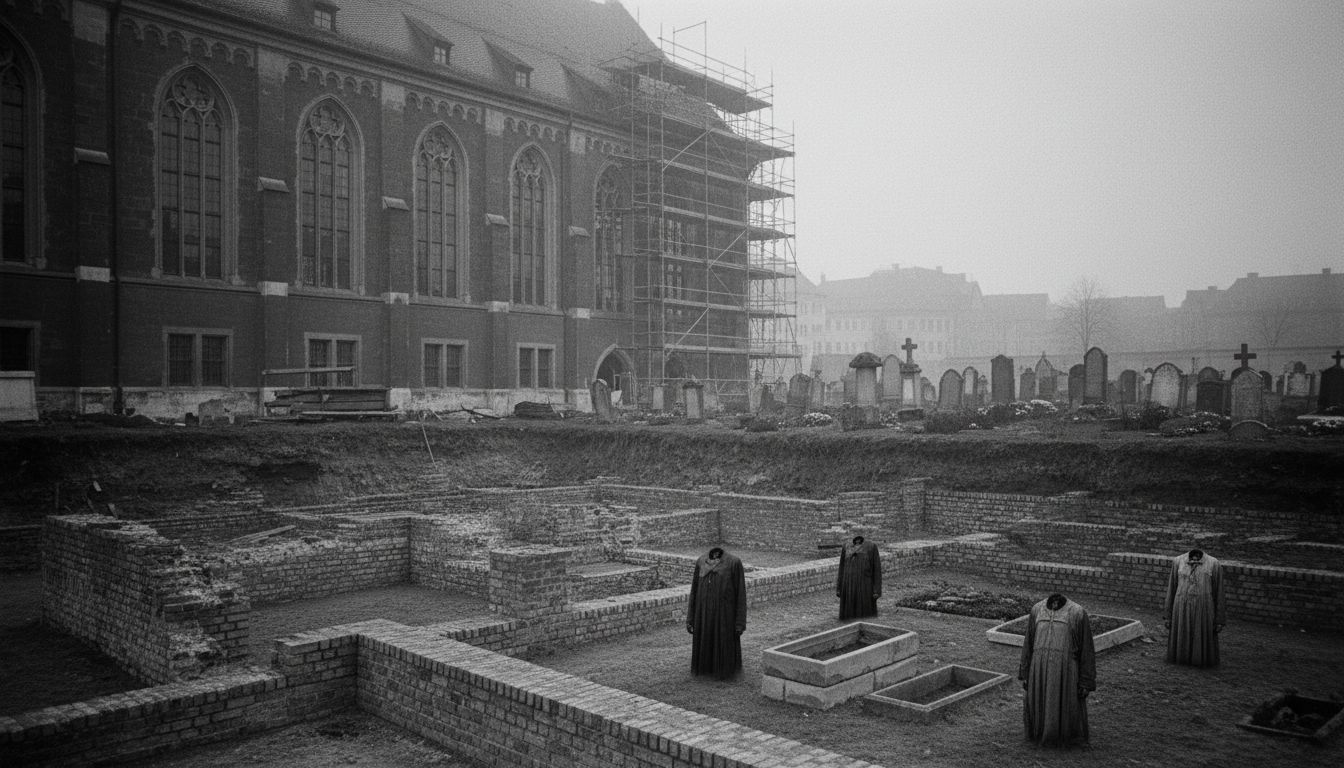
The property known as the Frienisberghaus was first recorded in 1285 as the city dwelling of the Cistercian community of Frienisberg Abbey, situated in the Seeland region northwest of Bern. In the 14th century, municipal expansion—particularly the infilling of the Nydegg fortress moat—allowed the monks to acquire a courtyard adjacent to the Interlakenhaus, near the Nydeggkirche and the later Nydegg Bridge. The Cistercian order emphasized silence, labor, and chastity, and the Bern residence functioned primarily as a waypoint for monks traveling on ecclesiastical business.
Following the Protestant Reformation in the 1520s, many Catholic institutions in Bern were secularized. The Frienisberghaus, like several other monastic houses, was gradually abandoned. By the 18th century, the structure had been torn down, and the modern row of townhouses that now line Junkerngasse was erected atop the former footprint.
The Legend of the Sinful Monk
The ghost story attached to the site centers on a single monk whose “sin so grave” allegedly prevented his spirit from moving on. According to the Moon Mausoleum article, locals reported sightings of a cloaked figure wandering the street, and the narrative claims that both the monk’s corpse and soul remain confined within the former walls. The legend has been passed down through oral tradition, with occasional newspaper letters in the early 20th century noting “unexplained footsteps” and “cold drafts” near numbers 57, 55, 53, 51, and 49.
Folklorist Dr. Elena Keller of the University of Bern cautions that such accounts “often emerge from a blend of historical memory and the human tendency to animate abandoned spaces with supernatural explanations.” She adds that “the specific detail of a monk’s body being trapped is a motif found in other European monastic hauntings, suggesting a cultural pattern rather than a unique event.”
Current Perspectives
Local authorities do not maintain an official record of paranormal activity on Junkerngasse, and no scientific investigations have been conducted to substantiate the claims. Nevertheless, the story contributes to Bern’s cultural tourism. Guided walking tours of the Old City now include a brief stop at the street, where guides recount the “sinful monk” anecdote alongside verified historical facts.
Mayor Andrea Schmid, speaking at a recent heritage council meeting, emphasized the importance of preserving both tangible and intangible heritage. “While we respect the community’s fascination with legends, our priority remains the conservation of the architectural fabric and documented history of Bern’s medieval streets,” she said.
Conclusion
The narrative of a tormented monk haunting the former Frienisberghaus illustrates how history and folklore intertwine in urban spaces. Archival records confirm that a Cistercian residence once stood where the elegant façades of Junkerngasse now rise, but the supernatural elements of the story remain unverified. As Bern continues to balance preservation, tourism, and local myth, the “sinful monk” will likely linger in the collective imagination—whether as a cautionary tale of medieval discipline or as a genuine mystery awaiting further inquiry.