Overview
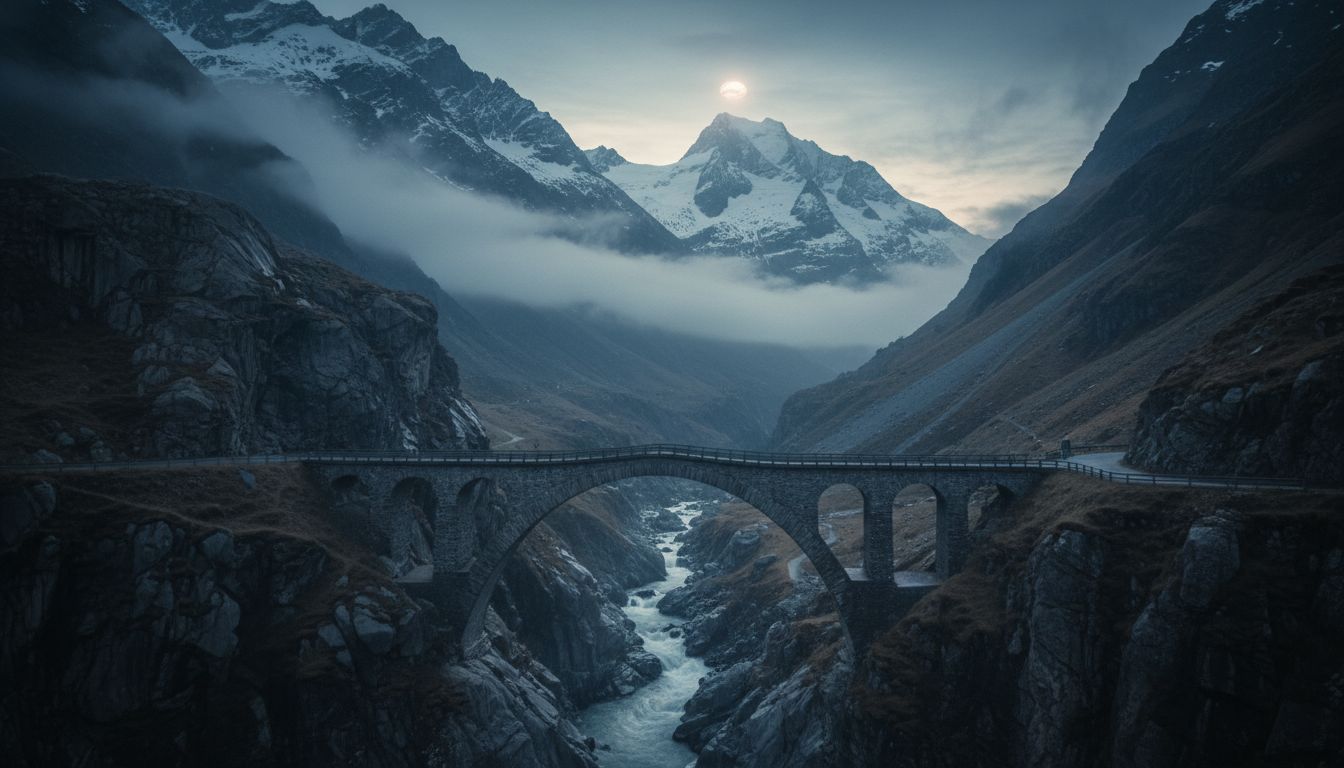
The Teufelsbrücke, or “Devil’s Bridge,” spanning the Schöllenen Gorge near Andermax, Switzerland, continues to attract engineers, historians, and tourists alike. While the stone arch that dominates the landscape today dates from the late 18th century, the site’s reputation as a place where “the impossible was achieved through a pact with the Devil” dates back to medieval folklore. The bridge’s dual identity—as a remarkable Alpine engineering feat and as a cornerstone of regional legend—offers a rare glimpse into how practical necessity can intertwine with myth.
Historical Background
The Schöllenen Gorge has long been a bottleneck on the Gotthard Pass, the principal north‑south artery through the Alps since the 13th century. Early travelers faced sheer cliffs and the turbulent Reuss River, with numerous drownings recorded in municipal archives. In 1230 the Gotthard route was officially opened, prompting the canton of Uri to seek a reliable crossing. Attempts to erect a wooden bridge repeatedly failed; floods swept away the structures, and timber supports rotted under the gorge’s harsh climate. By the early 1300s, local chroniclers note the “utter desperation” of the Uri people, setting the stage for the legend that would later emerge.
Engineering Feat
The first lasting bridge was a modest stone arch completed in 1595, but it too succumbed to erosion. In 1793, after a particularly devastating flood, the cantonal authorities commissioned a new, more robust structure. Designed by the civil engineer Johann Jakob Brechbühl, the single‑arch stone bridge spans 65 meters with a rise of 13 meters, employing locally quarried limestone and a keystone technique that distributes weight evenly across the gorge’s granite walls. The bridge was inaugurated in 1794, just months before the French‑Russian clash of 1799, which left the nearby Suvorov Monument as a reminder of the region’s strategic importance. Modern surveys confirm that the bridge’s load‑bearing capacity exceeds contemporary safety standards, underscoring the ingenuity of its 18th‑century designers.
Folklore and Cultural Impact
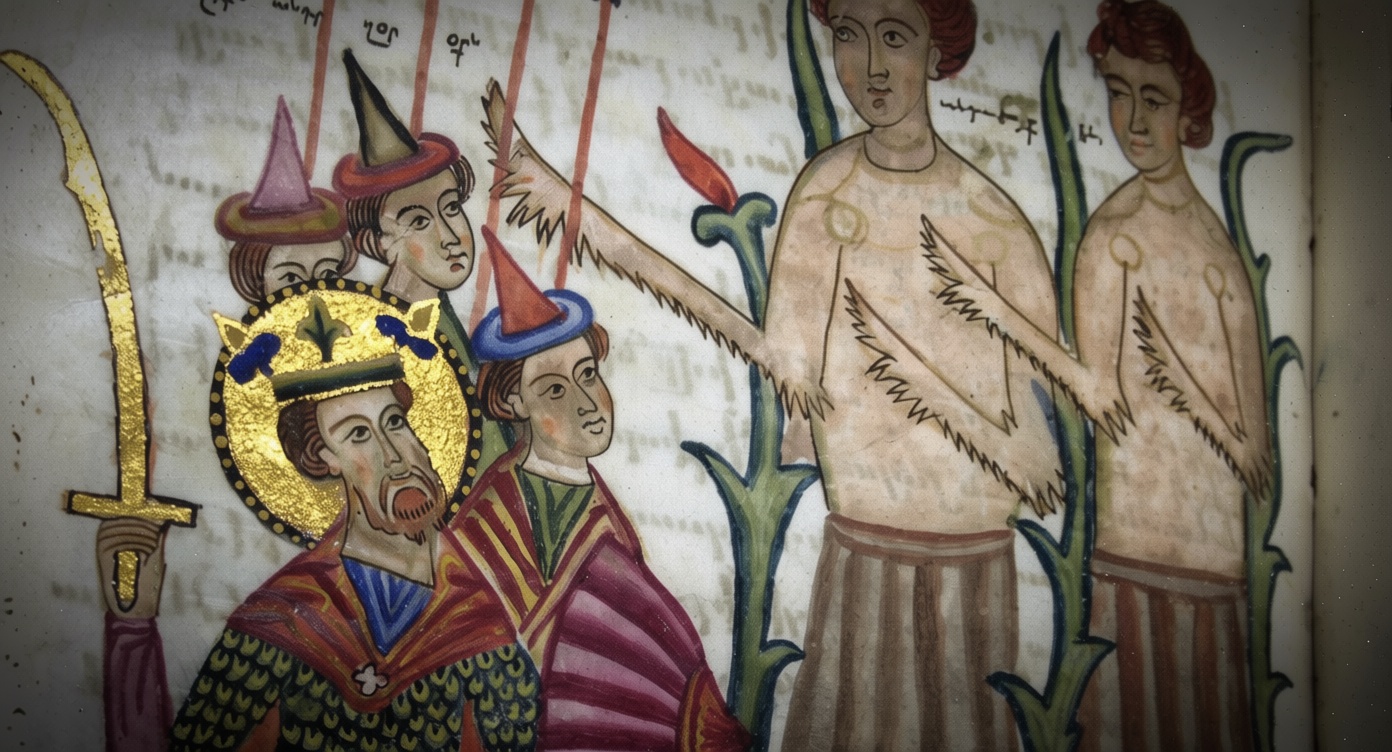
According to oral tradition recorded by 19th‑century folklorist Johann Jakob Scheuchzer, the villagers, frustrated by repeated failures, allegedly “summoned the Devil” and offered him the soul of the first to cross the bridge in exchange for its completion. The tale concludes with a clever twist: a shepherd is sent over first, and the Devil, bound by the bargain, is forced to retreat. Historian Dr. Hans Meier of the University of Zurich remarks, “The story reflects a common Alpine motif—human ingenuity confronting nature’s wrath, personified by the Devil. It’s less about literal belief and more about expressing collective anxiety over an unforgiving environment.” The legend persists in local festivals, where a wooden effigy of the Devil is paraded and burned, reinforcing communal identity while attracting cultural tourists.
Preservation and Tourism
Today, the Teufelsbrücke is maintained by the Swiss Federal Roads Office, which conducts biennial structural inspections and has installed discreet reinforcement ribs to protect against seismic activity. The bridge is a designated heritage site, listed in the Swiss Inventory of Cultural Property of National Significance. Tourism officials from Andermatt’s visitor office report an average of 250,000 annual crossings, with peak interest during the summer hiking season. “We balance accessibility with conservation,” says Marta Keller, the office’s head of heritage tourism. “Visitors are drawn not only by the engineering marvel but also by the evocative story that has been told for centuries.” Guided tours now include a brief historical lecture, a safety briefing, and a stop at the nearby Suvorov Monument, linking the bridge’s past to broader European military history.
The Teufelsbrücke stands as a testament to human perseverance in the face of natural obstacles, while the enduring legend of a devilish bargain reminds us how cultural narratives can shape, and be shaped by, the very structures they describe.