Overview
The remote Visnes Hotel, perched on the fjord‑side cliffs of Stryn in western Norway, has become the focus of renewed media attention after a series of guest reports describing unsettling encounters in its historic wing. According to local folklore, a young maid who once worked at the establishment is said to have taken her own life on the premises in the early 20th century, and her spirit allegedly lingers in the hotel’s original rooms. While the hotel’s management emphasizes its reputation for hospitality, the legend has attracted curiosity from both paranormal enthusiasts and cultural historians.
A Hotel Steeped in History
Founded in 1850 when Anton Visnes opened his farmhouse to travelers, the property was formally converted into a hotel by his son Arne in 1887. The wooden structure, noted for its Swiss‑style façade, retains many original features—including a large courtyard, an old barn, and period furnishings—that give the building a palpable sense of continuity. Architectural surveys confirm that the core of the building has remained largely unchanged despite several renovations and rebrandings over the past century. This unbroken physical record is often cited by scholars as a factor that helps folklore, such as the maid’s story, persist across generations.
The Legend of the Maid
The narrative centers on an unnamed maid employed during the hotel’s “early hotel years.” According to oral tradition collected by local historian Jorid Martinsen, the woman was described as “hardworking and quiet,” spending long hours tending to guests and moving silently through the corridors. The legend offers multiple, unverified motives for her tragic decision to end her life on the hotel grounds—unrequited love, isolation, or harsh working conditions. No official death records or contemporary newspaper accounts have been located to corroborate the story, and the hotel’s archives list no employee by name matching the description. Nonetheless, the tale has become embedded in the community’s collective memory, often recounted during guided tours of the historic site.
Guest Experiences
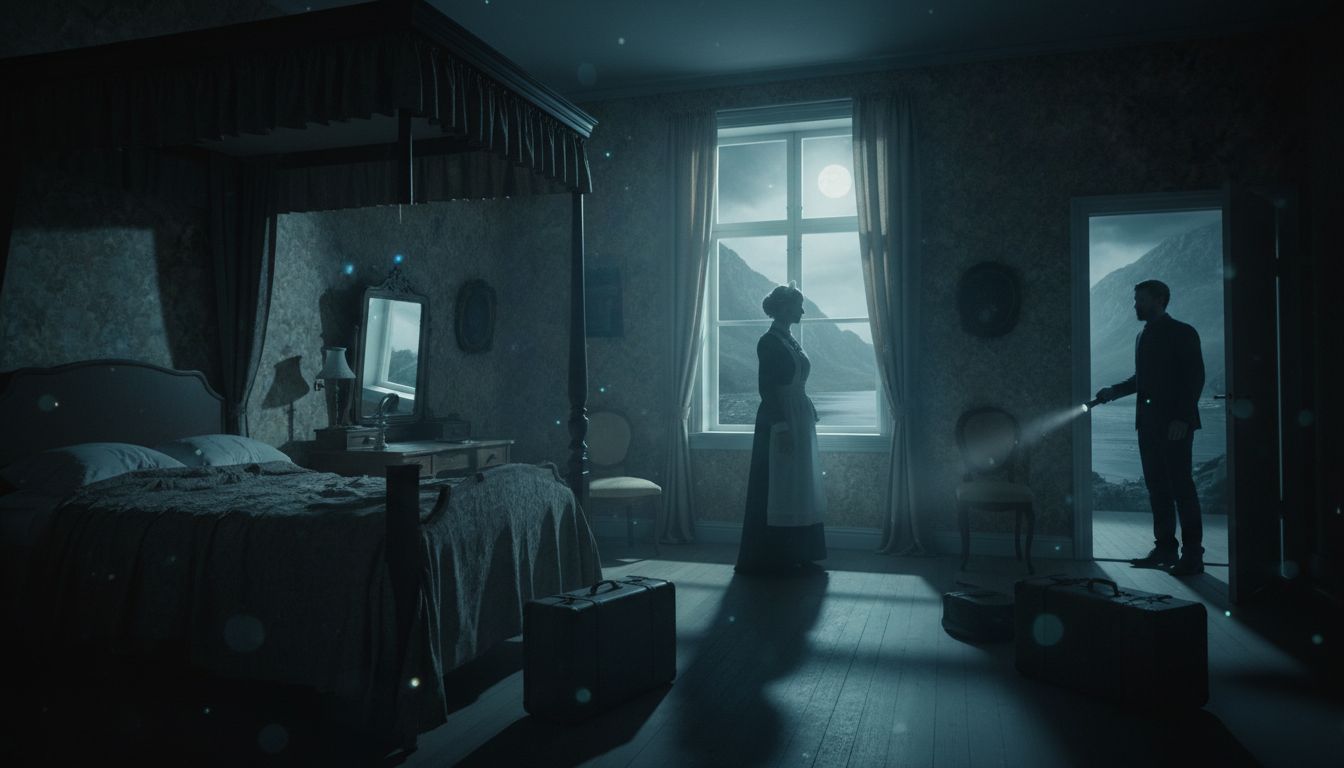
Since the summer of 2025, the hotel’s front desk has logged roughly a dozen complaints describing “eerie encounters” in the old wing. One guest, identified only as Lars N., recounted waking at 2 a.m. to hear the soft rustle of a maid’s cart and a faint scent of lavender—an aroma historically associated with the hotel’s housekeeping staff. “It felt like someone was still cleaning the rooms,” he told the Stryn Gazette. Another visitor, an American travel blogger, posted a video of a door closing on its own in a room dating back to 1887, noting a sudden drop in temperature. While the hotel’s management acknowledges these reports, they have not conducted a formal investigation, citing a lack of concrete evidence.
Response and Context
Visnes Hotel’s manager, Kari Olsen, emphasized that the establishment “prides itself on providing a safe and welcoming environment,” and that any paranormal claims are “subjective experiences that we respect but do not endorse.” Local cultural expert Prof. Erik Lund of the University of Bergen placed the legend within a broader Scandinavian tradition of “ghost stories tied to places of long‑standing human activity,” noting that such narratives often serve as informal commentaries on social history, including labor conditions of the past. Tourism officials have reported a modest uptick in bookings from visitors seeking “haunted‑hotel” experiences, though they caution that the hotel’s primary appeal remains its scenic location and historic charm.
The story of the maid at Visnes Hotel illustrates how folklore can intertwine with heritage sites, creating a layered narrative that blends documented history with unverifiable personal accounts. While the self‑inflicted death and subsequent haunting remain unproven, the legend continues to shape the perception of the hotel, inviting both skeptical inquiry and imaginative curiosity among its guests.