Overview
In the latest episode of the Connecting the Universe webcast, researcher and author Mike Ricksecker examined a trove of more than 300 UFO‑related documents released by the National Security Agency (NSA) through a Freedom of Information Act request. The files contain declassified reports from NASA astronauts, federal law‑enforcement officers and the newly formed All‑Domain Anomaly Resolution Office (AARO). Ricksecker’s discussion centered on whether the timing and content of the release constitute genuine disclosure of unidentified aerial phenomena (UAP) or a strategic distraction from unresolved scientific questions.
Historical NASA Anomalies
The newly released NSA records include several mission transcripts from the Gemini and Apollo programs that describe encounters with unidentified objects. During Gemini 7 (December 1965), astronauts Jim Lovell and Frank Borman reported a “bogey” at the ten‑o’clock position; audio logs show the crew observing “hundreds of little particles” several miles away and confirming the sighting was not a booster rocket. In Apollo 12 (November 1969), Pete Conrad, Dick Gordon and Alan Bean noted “flashes of light” appearing to escape the Moon and travel toward the stars. The final lunar mission, Apollo 17 (December 1972), produced descriptions of “peripheral horizon‑type things” and bright streaks that Gene Cernan likened to a train’s headlight moving toward the command module. Ricksecker argues that these entries “vindicate astronauts who have long reported UAP encounters” and demonstrate that such observations were recorded in official channels, even if they were not widely publicized at the time.
Contemporary Federal Witness Accounts
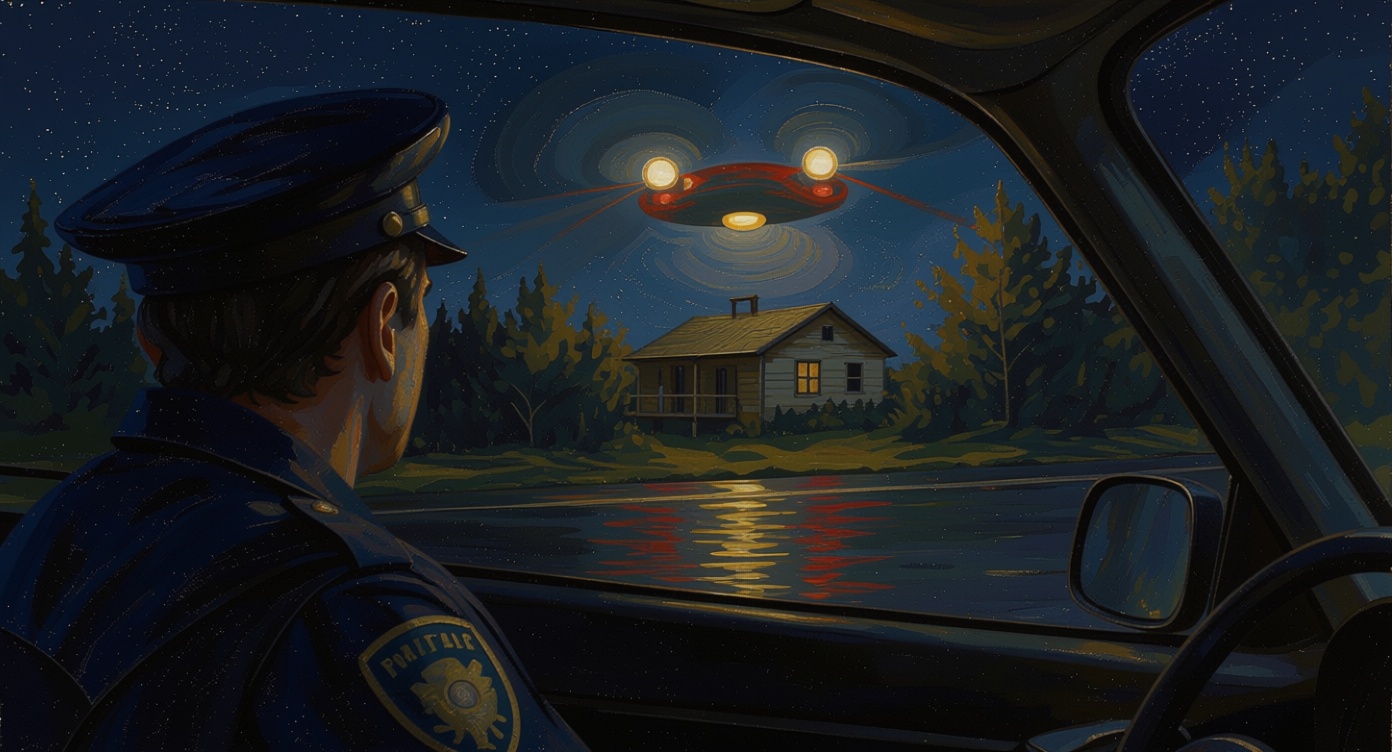
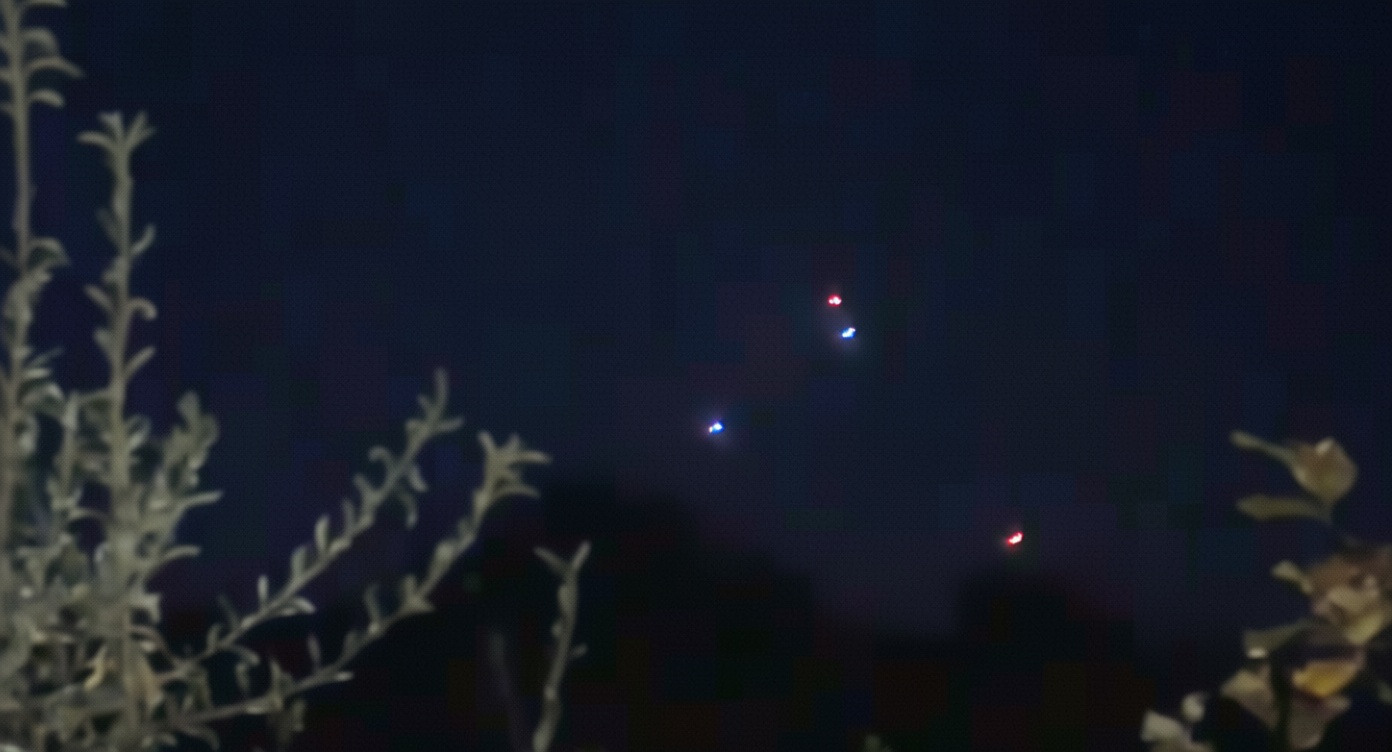
The episode also reviewed recent sightings documented by the AARO and the Federal Bureau of Investigation. A 2013 infrared sensor recording from a U.S. military platform captured a “starburst” shape with eight points and an energy signature resembling a contrail, now labeled the “Middle East Starburst.” More recently, two federal law‑enforcement special agents described a metallic, bronze‑colored, cigar‑shaped craft hovering near a rock formation in the western United States, emitting a “diamond‑white” illumination that reminded them of the “Eye of Sauron.” The object, estimated to be as long as three Black Hawk helicopters, was reportedly silent and vanished without a trace. In a separate 2023 incident, multiple agent teams observed large orange “mother orbs” releasing smaller red orbs—an event dubbed “Orbs Launching Orbs.” All of these reports are now part of the AARO’s public database, adding contemporary, government‑verified data to the historical record.
Analysis and Expert Commentary
Ricksecker interprets the combined historical and modern data as evidence of “sophisticated technology capable of appearing and disappearing through what may be described as “portals” or “stargates.”” He cautions, however, that the NSA’s decision to release the documents amid other major news cycles could represent a form of “soft disclosure” intended to test public reaction rather than a full admission of extraterrestrial involvement. Supporting this view, former AARO analyst Dr. Linda Miller told the webcast that “the pattern of releases suggests a calibrated approach—enough information to prove credibility, but not enough to trigger panic or demand immediate policy changes.” The episode’s tone remained measured, emphasizing the need for systematic scientific analysis rather than speculation.
Implications for Disclosure
The newly available files reinforce a growing consensus among some policymakers that UAPs merit serious investigation. In a recent congressional hearing, the Department of Defense’s Under Secretary for Intelligence and Security affirmed that “the United States government will continue to collect, analyze, and share credible information on unidentified aerial phenomena.” The NSA documents, together with AARO’s ongoing reporting, provide a documented baseline for future research and may influence future legislative action on transparency and national‑security protocols. While the debate over “disclosure versus distraction” persists, the episode underscores that the conversation is increasingly anchored in official, verifiable records, moving the subject from fringe speculation toward mainstream scientific inquiry.