Overview
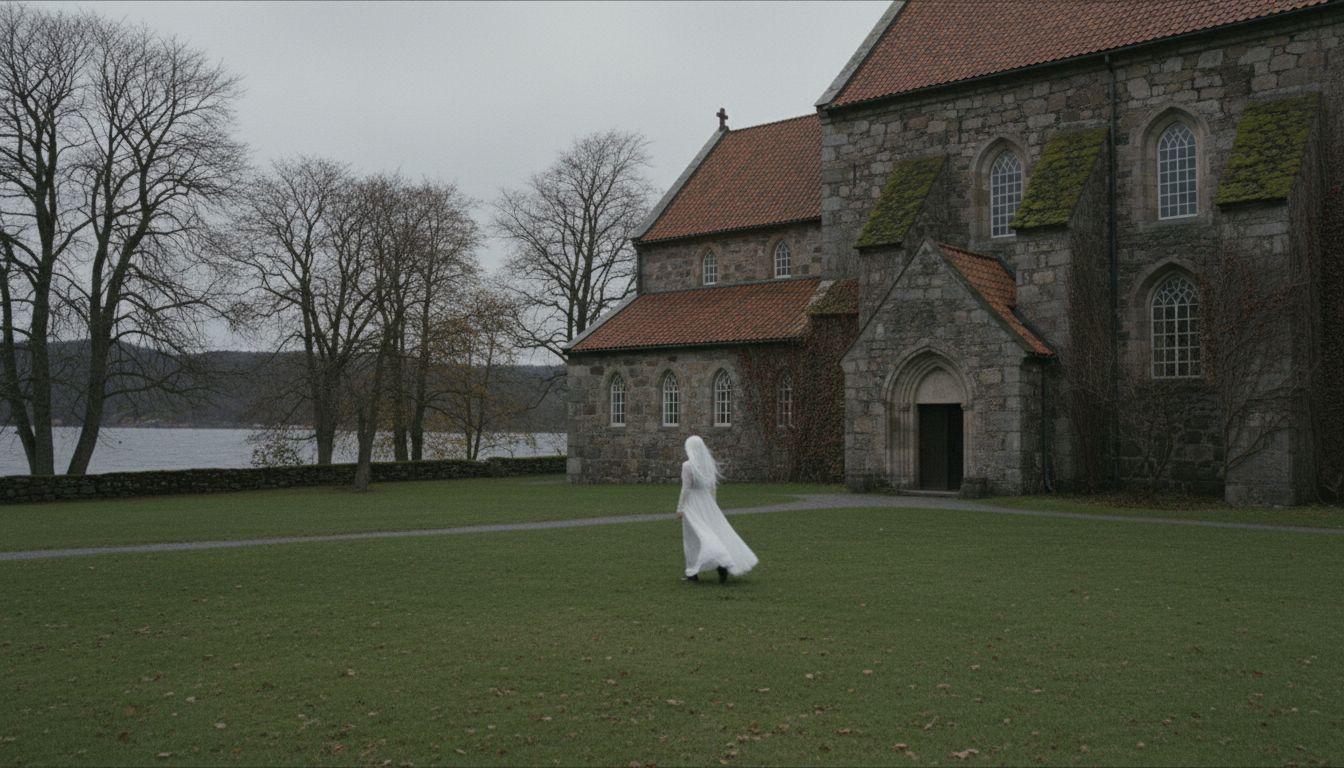
The utburd is one of Norway’s most unsettling child-ghost figures: a spirit said to arise when an unwanted or abandoned child is left to die in the wilderness, buried in a hidden place, or denied proper burial. According to Norwegian folklore, the restless child may later haunt the forests, lakes, homes, and paths connected to its death—sometimes even returning to confront the parents believed responsible.
The account, published by Moon Mausoleum on October 6, 2026, presents the utburd as part of a wider European tradition of supernatural stories about children who died through neglect, abandonment, or violence. While most accounts belong to oral folklore rather than documented history, the stories reflect the harsh social and economic conditions of rural communities, as well as the stigma surrounding children born outside marriage.
A Name Linked to Abandonment
The term utburd derives from the Old Norse útburðr, commonly translated as “that which is taken outside.” In traditional rural Norway, the word was associated with a child carried away from the household and abandoned—often because a family could not support the child or feared the social consequences of an illegitimate birth.
Christian beliefs also shaped the legend. Infants who died before baptism, or who were buried outside consecrated ground, were thought in some traditions to be unable to enter heaven or rest peacefully. Within this religious framework, the dead child became a supernatural figure suspended between worlds. Its haunting was not simply frightening, but represented an unresolved death and the failure of the living to acknowledge it.
The folklore therefore gave supernatural form to a deeply human fear: that a hidden crime or neglected death could not remain concealed forever. The utburd’s return suggested that the dead continued to demand recognition, justice, or—most frequently in the stories—a name.
Cries in the Wilderness
Descriptions of the utburd vary widely. In many tales, the spirit is heard before it is seen, announcing itself through weeping, screaming, or prolonged whining in forests and open fields. The sounds are often portrayed as cries from a child searching for its identity or attempting to draw attention to the place where it died.
Other accounts describe a far less recognizable apparition. The utburd may appear as an amorphous mass, an unnaturally large figure, or even a strange hybrid animal. These shifting forms distinguish the legend from conventional depictions of ghosts and emphasize the folklore’s themes of deformity, grief, and an interrupted life. The spirit’s unnatural appearance is presented as a reflection of a death that was neither properly mourned nor ritually completed.
A Wider Nordic Tradition
Norway’s utburd belongs to a broader family of child-ghost traditions found throughout Scandinavia and beyond. In Sweden, a related figure is known as the myling, a term associated with a murdered child. Finnish folklore contains the figure called liekkiö, while other cultures have developed comparable stories of children who return after abandonment or violent death.
Although these legends are primarily understood as folklore, stories about the dead children could have real-world consequences. They may have encouraged communities to search for hidden remains, confront suspected wrongdoing, or interpret unexplained sounds and events through the lens of local belief. The source does not identify specific documented cases, however, and the historical boundary between reported events and later storytelling remains difficult to establish.
Ultimately, the utburd is less a conventional monster than a cultural warning. Its haunting embodies the belief that abandoned children—and the circumstances of their deaths—cannot simply be removed from memory. Through cries in the forest and appearances at the margins of domestic life, the legend gives a voice to the forgotten and turns secrecy into a source of supernatural unrest.