Overview
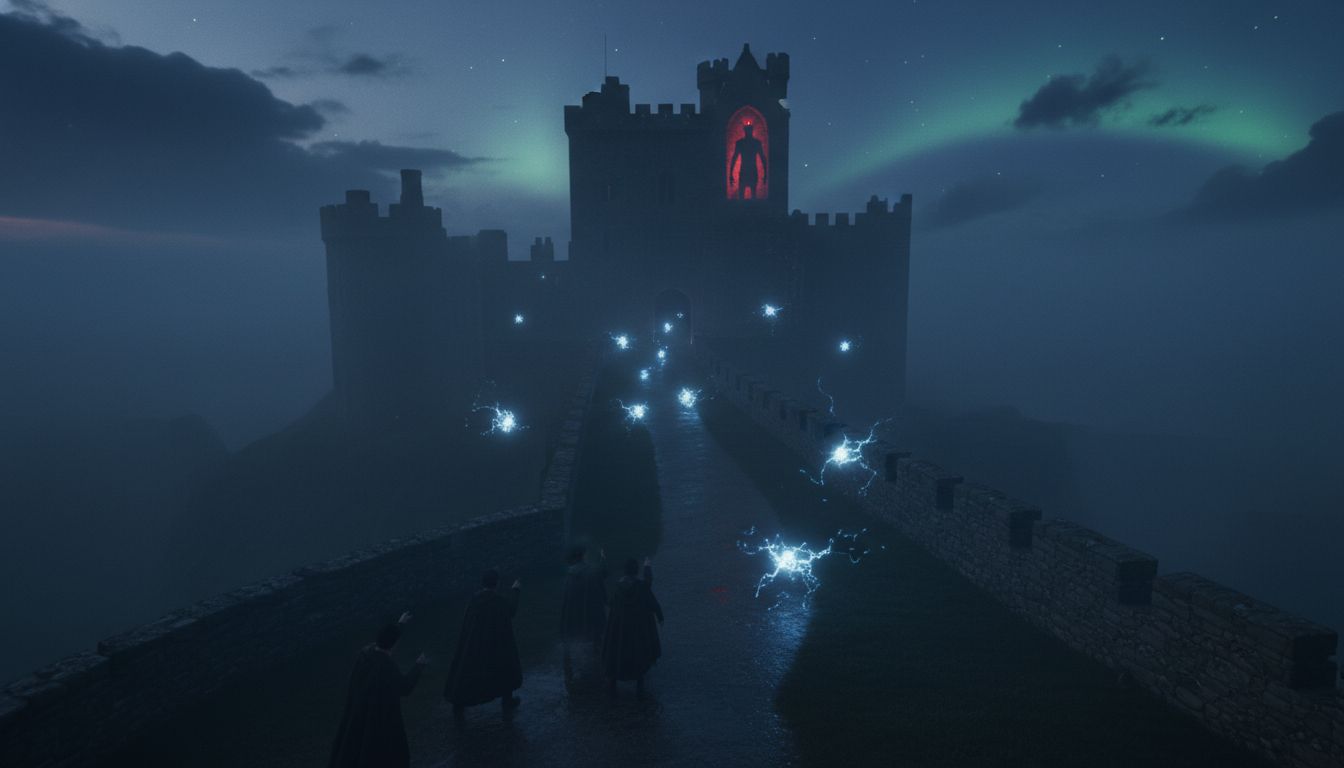
Alnwick Castle, the 14th‑century stronghold that has earned the nickname “the Windsor of the North,” continues to attract visitors for its Tudor interiors, its role in the border wars with Scotland, and its recent fame as a filming location for Harry Potter and Downton Abbey. Beneath the polished stonework, however, lies a darker strand of folklore: a medieval tale of a vampire‑like revenant that allegedly haunted the castle’s shadowy corridors. The story, first recorded by 12th‑century chronicler William of Newburgh, adds a chilling layer to the castle’s already rich historical tapestry.
Historical Context
Alnwick has been the seat of the Percy family since 1309 and played a pivotal part in England’s medieval power struggles, from the Wars of the Roses to the long‑running border conflicts with Scotland. Its strategic importance made it a focal point for contemporary chroniclers, including William of Newburgh (c. 1136‑1198), whose Historia Rerum Anglicarum remains a key source for 12th‑century English history. In a passage dated around 1196, Newburgh recounts a local legend involving a malevolent soul that rose from its grave each night to wander the surrounding village and the castle’s lower chambers. While the exact identity of the figure varies—some versions name a disgraced servant of the 11th‑century Lord de Vesci, others suggest a former castle lord who refused burial—the core motif is consistent: an undead entity that defied the natural order.
The Legend as Recorded
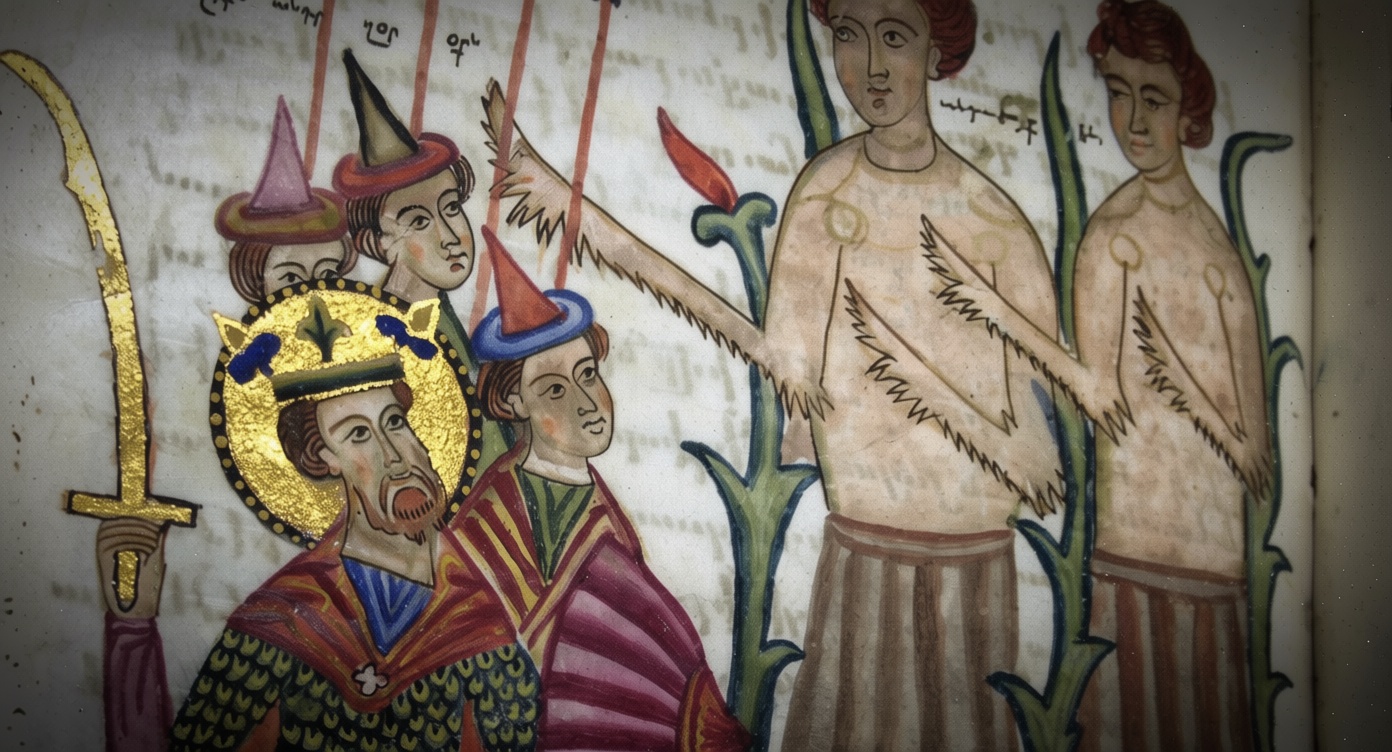
Newburgh’s account describes the revenant as a “horrid man” who, after death, refused to remain interred and instead prowled the castle’s hidden corners. The chronicler notes that the creature’s nocturnal wanderings caused “great fear among the villagers,” prompting local clergy to intervene with the period’s standard anti‑vampire measures—prayers, holy water, and the placement of consecrated objects at the grave. The narrative also includes a tangential anecdote about a jealous husband spying on his wife, which Newburgh uses to illustrate the era’s preoccupation with moral transgression and supernatural retribution. Although the story’s details are sparse, the emphasis on a restless corpse aligns with broader medieval European beliefs in revenants, or animated dead, that pre‑date the modern vampire mythos.
Scholarly Perspective
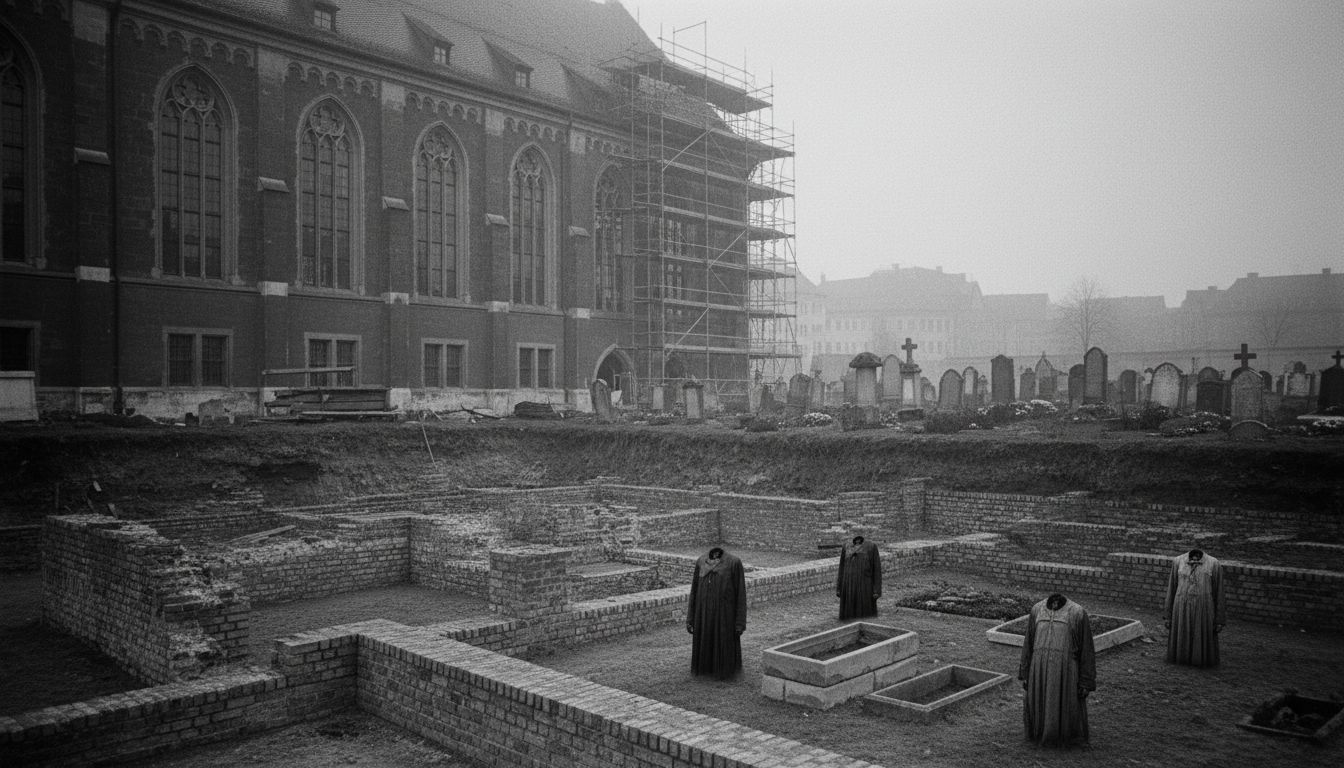
Modern historians treat Newburgh’s tale as a valuable glimpse into medieval folklore rather than a factual report of a supernatural event. Professor Eleanor Hughes of Newcastle University, who specializes in medieval belief systems, explains: “The 12th‑century English chroniclers often blended historical observation with moral storytelling. The Alnwick vampire narrative reflects contemporary anxieties about burial rites, social hierarchy, and the fear of the unknown.” She adds that similar accounts appear in other regional chronicles, suggesting a cultural pattern rather than an isolated incident. Moreover, archaeological investigations at Alnwick have uncovered no physical evidence—such as unusual burial practices or disturbed graves—that would corroborate the legend’s specifics.
Contemporary Relevance
Today, the vampire legend is part of Alnwick Castle’s broader interpretive program, featured in guided tours that explore both the site’s architectural grandeur and its “spooky” folklore. The castle’s management emphasizes that the story is “a piece of medieval imagination that enriches the visitor experience,” while reminding guests that the castle’s primary significance lies in its political and cultural history. The tale also resonates with popular culture’s renewed fascination with historic hauntings, feeding into tourism narratives that balance scholarly integrity with public interest. As interest in the castle’s dark past grows, researchers continue to monitor how such legends influence heritage perception without eclipsing the documented historical record.
Conclusion
The vampire of Alnwick Castle remains a compelling example of how medieval folklore can survive alongside concrete history. While William of Newburgh’s 12th‑century chronicle provides the earliest written evidence of the legend, contemporary scholarship frames it as a reflection of the era’s beliefs about death, morality, and the supernatural. For visitors and historians alike, the story underscores the layered nature of heritage sites: stone walls that have witnessed real battles and political intrigue also echo the imaginations of those who once feared the night’s unseen prowlers.