Overview
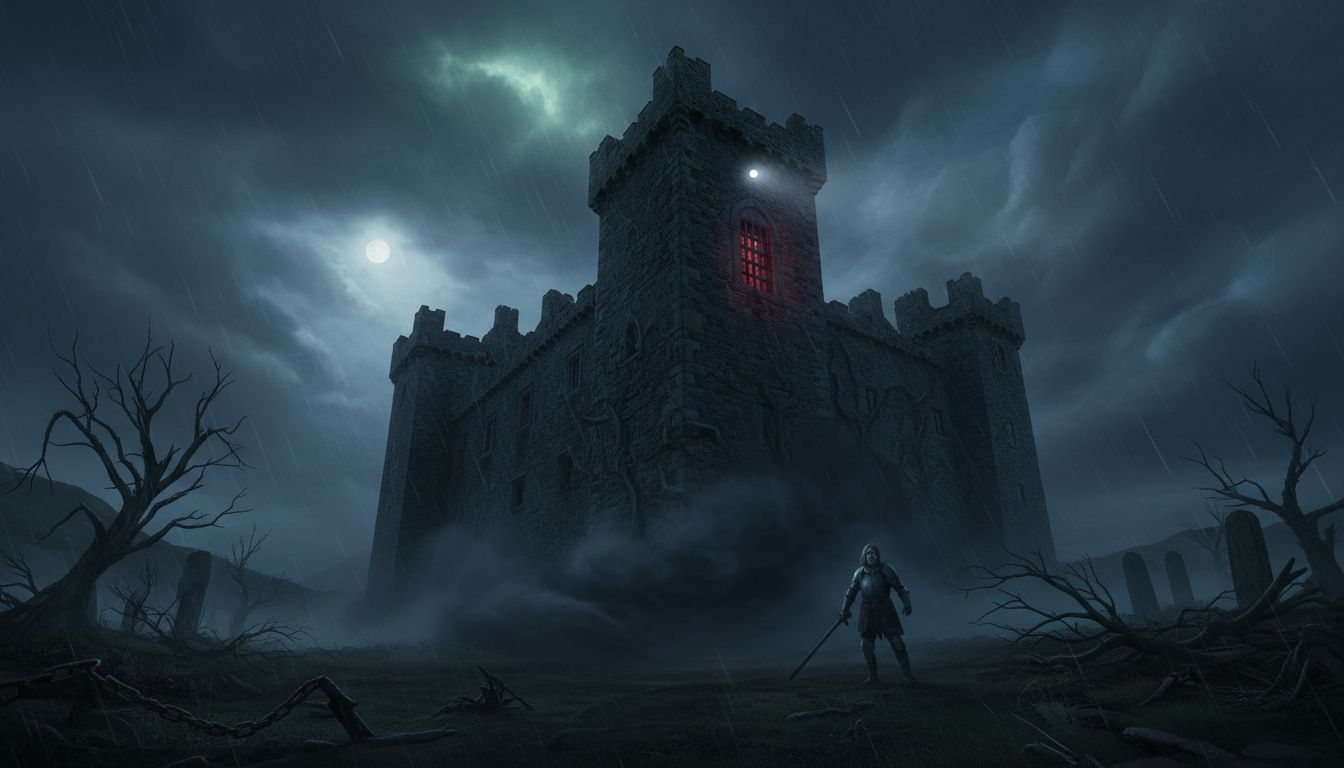
Glamis Castle, a 15th‑century stronghold in Angus, Scotland, is celebrated for its royal connections—including its role as the childhood home of Queen Elizabeth the Queen Mother—and for an extensive catalog of ghost stories. Recent retellings of local folklore have added a darker layer: a sealed chamber allegedly housing a “vampire child”, a deformed infant said to have been confined for centuries. While the tale circulates among tourists and some members of the Bowes‑Lyon family, historians stress that it remains an unverified legend that coexists with well‑documented aspects of the castle’s architecture and lineage.
Historical Background of Gllims Castle
The castle’s recorded history stretches back to the 14th century, when it served as the seat of the Lords of Glamis. By the mid‑1600s the estate had fallen into disrepair, prompting the acquisition and reconstruction by Patrick Lyons, later Earl of Strathmore. The Bowes‑Lyon family, who inherited the title in the 18th century, restored Glamis to a prominent aristocratic residence and, in 1936, welcomed the future Queen Mother. Architectural surveys confirm the presence of several bricked‑up rooms and hidden passages, a common feature in medieval fortifications used for storage, defense, or servant quarters. These structural anomalies have long fueled speculation about secret chambers, but no archaeological investigation has identified a space designed for confinement of a living being.
The Vampire Child Legend
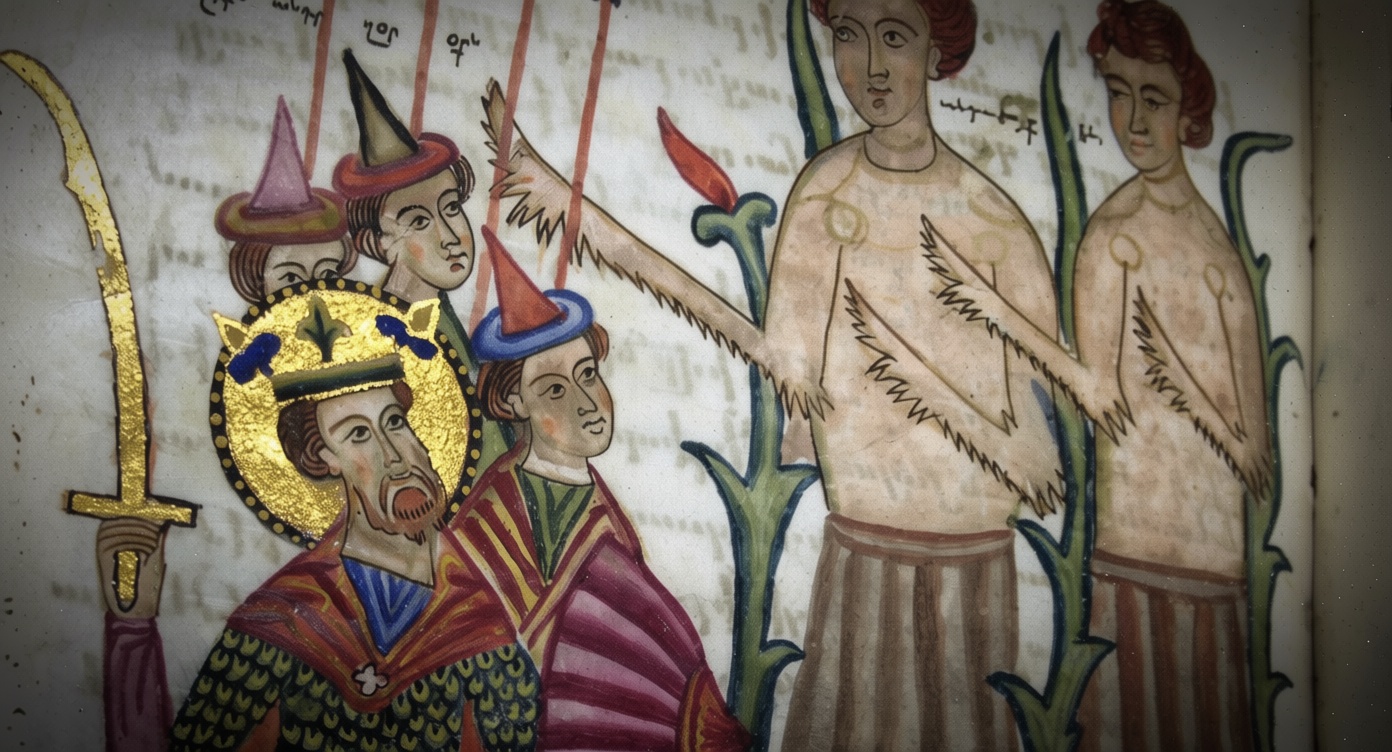
According to the oral tradition documented by the website Moon Mausoleum, the legend centers on a child born in the early 1800s to Thomas Lyon‑Bowes, Lord Glamis, and his wife Charlotte. The infant is described as “hideously deformed—egg‑shaped, neck‑less, with tiny limbs and a large, hairy torso”—and allegedly exhibited blood‑thirsty behavior. The story claims that the child was hidden in a secret, sealed chamber known only to the laird, his heir, and a trusted retainer in each generation. A popular anecdote recounts guests hanging towels on every window in an attempt to locate the concealed suite; several windows reportedly remained towel‑less, a detail the family attributes to deliberate removal rather than supernatural concealment.
Evidence and Family Accounts
The Bowes‑Lyon descendants have offered limited commentary, describing the towel story as “likely a practical measure by the owners to prevent guests from discovering private rooms.” No primary documents—such as birth records, medical notes, or contemporary correspondence—have surfaced to corroborate the existence of a deformed infant or a purpose‑built vampire cell. Local historians, including Dr. Fiona MacLeod of the University of Dundee, note that “the motif of a cursed child is a recurring element in Scottish folklore, often employed to explain unexplained deaths or illnesses within noble families.” Archaeologists who have surveyed Glamis’ subterranean spaces report only typical service chambers and a 19th‑century wine cellar, with no evidence of a fortified, airtight enclosure that would be required to imprison a living creature.
Current Status and Public Access
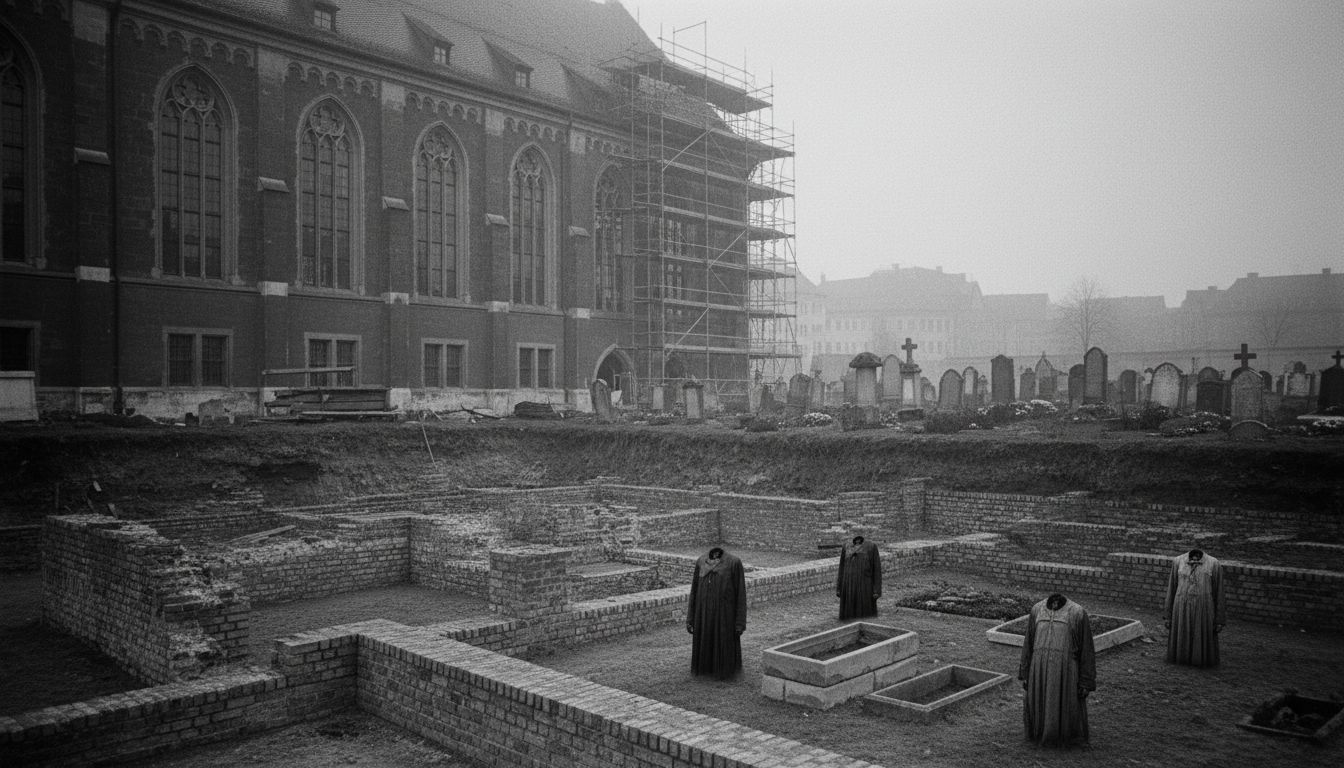
Glamis Castle remains a private residence and a public heritage site, drawing over 150,000 visitors annually. Guided tours acknowledge the castle’s “rich tapestry of ghost stories,” but the official narrative stops short of endorsing the vampire myth. Conservation work continues on the castle’s masonry, including the restoration of several bricked‑up rooms identified during a 2022 structural assessment. The site’s management emphasizes factual history, stating that “while folklore enriches the visitor experience, our responsibility is to preserve and present verifiable heritage.” As of now, the alleged vampire chamber is neither accessible nor substantiated, leaving the legend firmly in the realm of cultural storytelling rather than documented fact.