Overview
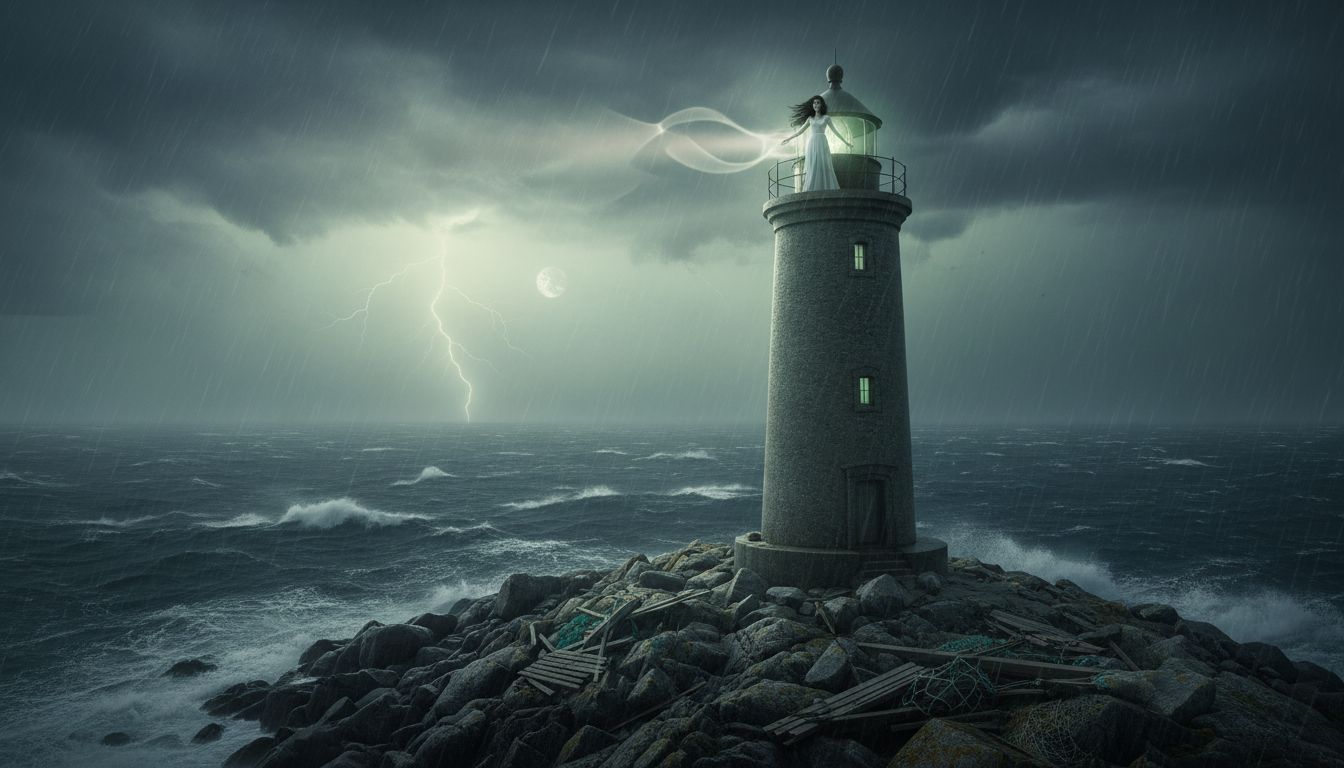
Struten Lighthouse, perched on a volcanic outcrop in the Skagerrak off Hvaler, Østfold, has long served as a navigational beacon for vessels negotiating the treacherous waters between Hankø and the mainland. In recent weeks, the site has attracted renewed attention not only for its historic architecture but also for the enduring local legend of Albertine Marie Nannestad, the keeper’s wife who died during the brutal winter of 1910 and is said to linger on the tower awaiting rescue that never arrived. The story, documented by the cultural‑heritage blog Moon Mausoleum, has become a focal point for heritage tourism and academic interest in Norway’s maritime folklore.
Historical Background
The lighthouse’s origins are rooted in a series of shipwrecks that plagued the Struten shoals in the early 20th century. The most notorious was the sinking of the barque Sir John Lawrence in October 1904, which claimed 13 lives and spurred public demand for a permanent warning system. After the wreck was located in 1997 and designated a potential underwater museum, authorities constructed the lighthouse during 1906‑07; it entered service in autumn 1907. The first keepers, Fredrik Nannestad and his family—wife Albertine Marie and sons Fredrik and Arthur—were tasked with maintaining paraffin lamps that shone across the fjord, guiding ships away from hidden reefs.
The 1910 Tragedy
Winter of 1910 proved exceptionally severe. Continuous storms in February isolated the island, destroying the limited supply lines and rendering the mail boat unable to reach the keepers. According to the Moon Mausoleum account, Albertine fell gravely ill, suffering from a high fever and a cough that produced blood. With no telephone, no motorized vessel, and only a single emergency signal—a black balloon hoisted on the flagpole—her condition deteriorated. The family’s attempts to summon help were thwarted by the relentless gale, and Albertine died alone in the keeper’s quarters. The tragedy has been corroborated by archival records from the Norwegian Coastal Administration, which list a death certificate for “A. Nannestad, age 32, cause: pneumonia, 12 February 1910.”
Modern‑Day Legacy
Today, Struten Lighthouse is incorporated into the Oslofjord coastal trail and offers limited overnight accommodations for hikers. The lighthouse’s lantern remains operational, casting a steady beam that continues to protect modern traffic. Simultaneously, the “woman waiting” narrative has become part of the site’s interpretive program. Local guide Ingrid Løvstad, who leads night‑time tours, notes, “Visitors often report a feeling of being watched or hear a faint, mournful sigh near the lantern room. Whether it is the wind or a lingering memory, the story of Albertine adds a human dimension to the stark landscape.” The municipality of Hvaler has recently allocated funds to preserve both the physical structure and the intangible heritage associated with the legend, recognizing its draw for cultural tourism.
Perspectives and Preservation
Heritage scholars emphasize the importance of balancing folklore with factual history. Dr. Erik Solheim of the University of Oslo’s Maritime History Department remarks, “Legends like Albertine’s serve as oral archives of the hardships faced by lighthouse families. While we must avoid sensationalism, acknowledging these narratives enriches public understanding of maritime culture.” The Norwegian Directorate for Cultural Heritage is currently reviewing a proposal to install an informational plaque that outlines the documented events of 1910 alongside the ghost story, ensuring visitors receive a comprehensive picture. As interest in the site grows, officials hope the combined appeal of historical authenticity and local myth will sustain preservation efforts for decades to come.