Overview
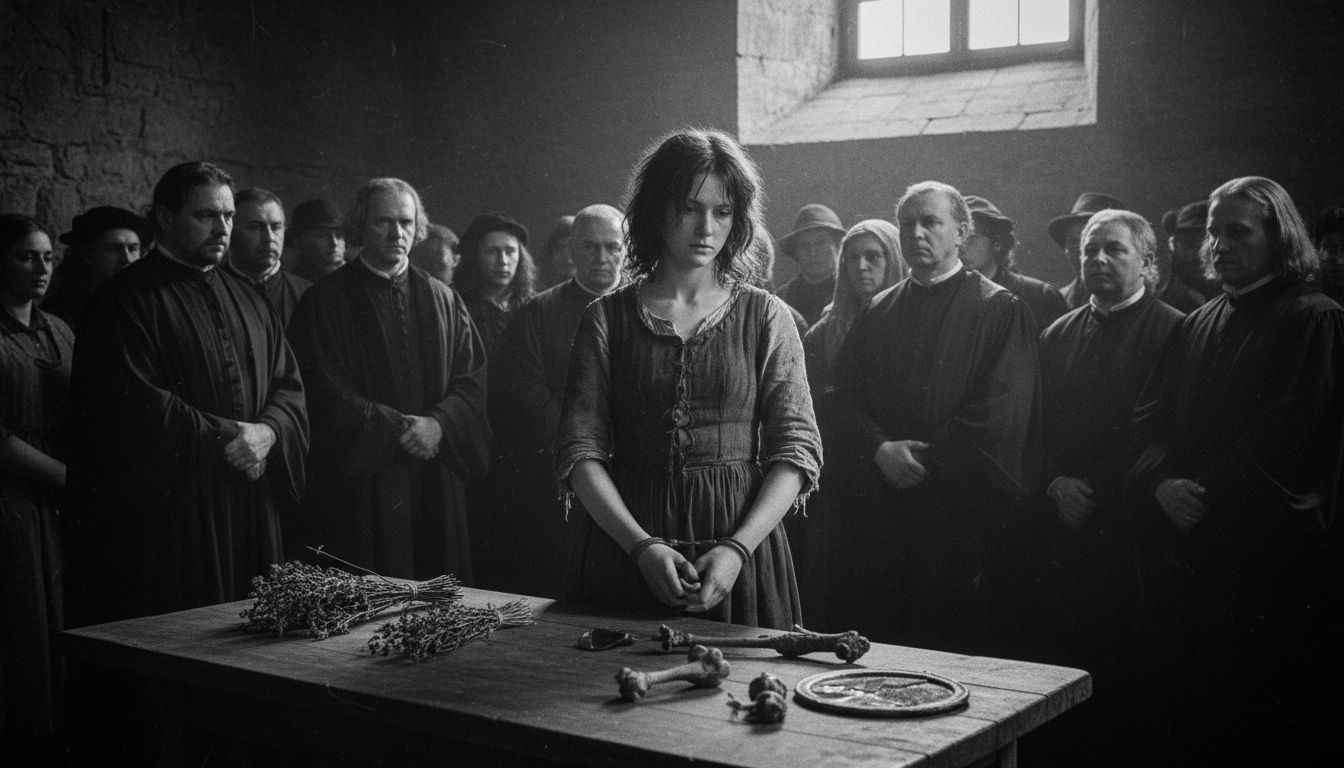
Theresia Kaiser has entered Munich’s historical memory as the city’s last alleged witch, a teenager condemned to death in 1701 at a time when witch trials were beginning to fade across much of Europe. According to the source material, Kaiser—also identified as Maria Theresia Kaiser, the daughter of a sergeant and originally from Pfaffenhofen an der Ilm—was only 17 years old when she was executed and burned. Her story remains compelling not only because of its brutality, but also because of the limited and conflicting detail surrounding the case, which has left room for legend, speculation, and later ghost lore.
The Accusation
The accusation against Kaiser is said to have emerged while she was working as a maid in the Electorate. In the telling preserved by local tradition, a high-ranking court official denounced her after she reportedly rejected his advances, calling her a “devilish woman.” That detail has helped keep her case alive in popular memory, but it also underscores a recurring feature of witch trials: accusations often reflected power, gender, and social vulnerability as much as any alleged supernatural offense. As with many trials from the period, the surviving narrative is filtered through centuries of retelling, making it difficult to separate documentation from legend.
Imprisonment at the “Witches’ Tower”
Kaiser was reportedly held in the Falkenturm, or Falcon Tower, a structure that once stood near the intersection of Falkenturmstraße and Maximilianstraße. The tower, later known as the “Witches’ Tower,” served as a prison from the 16th century until its demolition in 1863. Historical descriptions suggest that prisoners passed through the tower regularly, while later folklore claimed that suspected witches were also detained and tortured there. Today, the site is part of Munich’s commercial and cultural center, but the old tower’s association with witchcraft has lingered in the city’s folklore.
The tower’s reputation reflects how witch-trial history is often remembered through place names and remnants of urban memory. While the name “Hexenturm” or “Witches’ Tower” is common in Europe for prison towers linked to witch trials, its use in Kaiser’s story adds a stark physical setting to an already unsettling case. The source material also notes that two towers stood by the second city wall, including one between Alter Hof and Neuveste that was used for storage before later prison use, suggesting a complex and layered history behind the legend.
Legacy and Unanswered Questions
What makes Theresia Kaiser’s case endure is not only the severity of her punishment, but also the uncertainty around what actually happened. The surviving account suggests a trial shaped by accusation and social power, yet the details of the proceedings remain obscure. Another alleged witch case in Munich from 1721 is mentioned in the source, but it is not verified, leaving Kaiser widely regarded as the last woman accused, tried, and executed for witchcraft in the city. Whether viewed as a tragic victim of persecution or as part of Munich’s haunted folklore, her story remains a reminder of how fear and authority could combine to devastating effect.
Today, Kaiser’s name survives in historical summaries, local legend, and paranormal storytelling, but the deeper significance of her case lies in what it reveals about the fragility of justice in the age of witch hunts. Her life and death continue to prompt questions not only about guilt and innocence, but also about how communities remember the people they once condemned.