Overview
A coalition of scholars is pushing for a formal academic discipline devoted to the study of unidentified anomalous phenomena (UAP), the term now preferred over “UFO.” The effort is being coordinated by the Society for UAP Studies, which wrapped up an international conference in early December that brought together philosophers, physicists, legal scholars, and historians from more than a dozen countries. Organizers say the goal is not to prove or disprove extraterrestrial life, but to create a rigorous framework for investigating reports that sit at the fringe of conventional science.
Academic Initiative
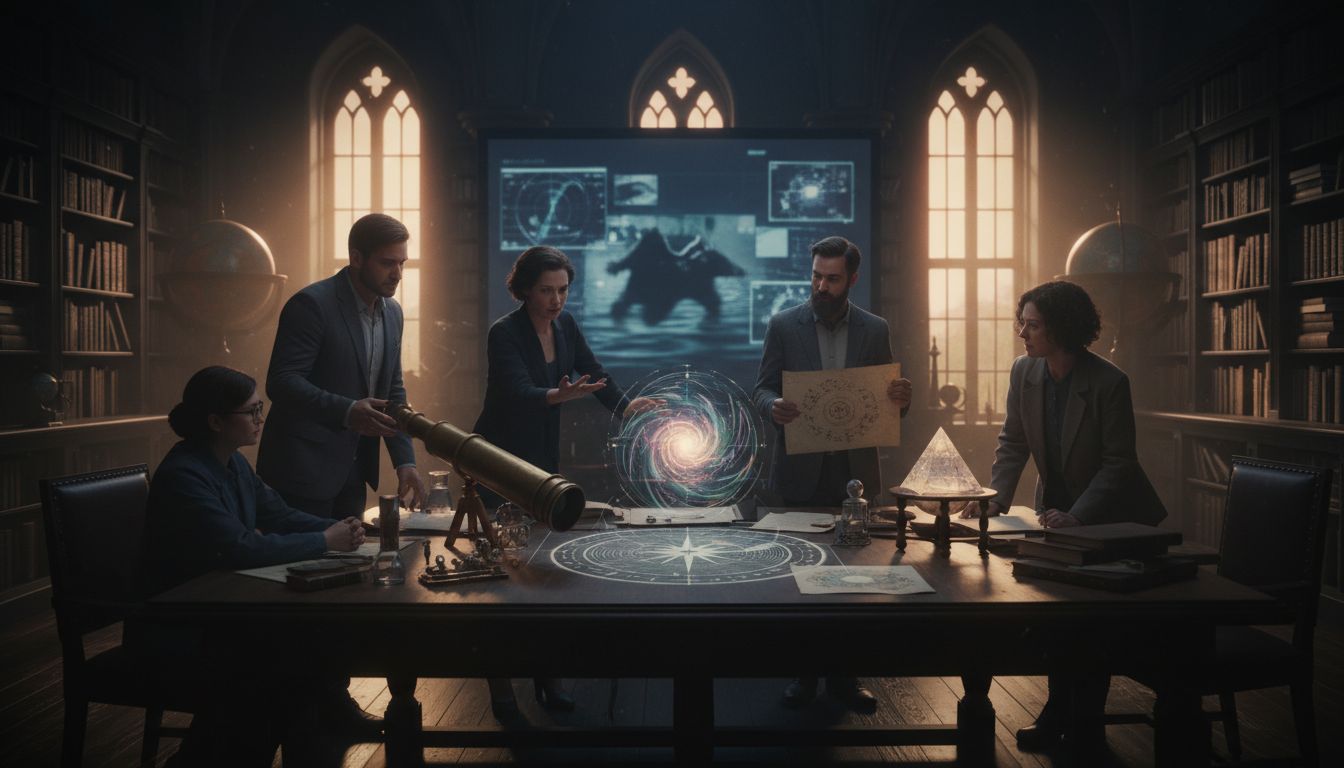
Society co‑founder and president Michael Cifone—a philosopher of science with a doctorate from the University of Maryland—described the work as an inquiry into what he calls “the empirical weird.” That phrase, Cifone explained, covers phenomena that blur the line between the spiritual, paranormal, parapsychological, and physical. “We’re not necessarily taking a position on whether UAPs are evidence of extraterrestrial life,” he told USA TODAY, “but we are interested in taking on these topics that don’t fit neatly anywhere.” The Society’s advisory board includes scholars from fields as diverse as quantum information, law, and cultural studies, reflecting the interdisciplinary nature of the proposed discipline.
Interdisciplinary Approach
Because UAP events cannot be reproduced in a laboratory, researchers plan to combine field observations, archival analysis, and theoretical modeling. Cifone, who also serves as a research fellow at Friedrich‑Alexander University’s Center for Alternative Rationalities in Global Perspectives, highlighted the need for “unusual collaboration” between scientists who can assess sensor data and humanities scholars who can trace the cultural history of sightings. The conference featured panels on Navy radar encounters documented in 2023‑2024, as well as briefings on the recent congressional hearings that called for greater transparency from the Department of Defense. Those hearings, held after the conference, underscored the growing political interest in establishing a systematic research agenda.
Recent Developments
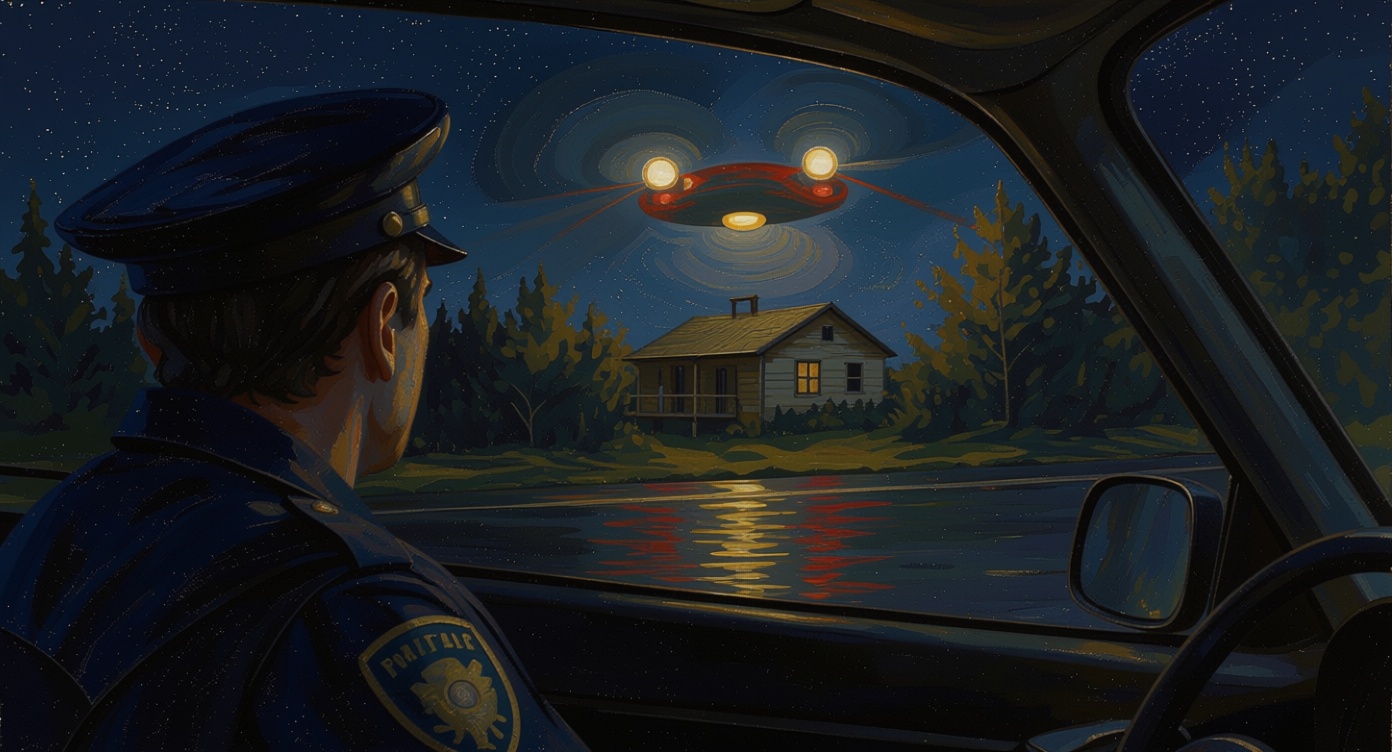
The Society’s push gained momentum after the U.S. Navy released declassified videos of “unidentified aerial phenomena” that displayed flight characteristics inconsistent with known technology. In response, the House Committee on Oversight held a hearing on December 2, inviting testimony from former military pilots and scientists. While the hearings stopped short of endorsing any extraterrestrial explanation, they acknowledged the need for a structured, peer‑reviewed research effort—a point echoed by Society members. “The data we have is real, but the interpretation is still open,” said Michael Silberstein, a philosophy professor at Elizabethtown College and co‑founder of the Society. “That openness is precisely why an academic discipline can add value.”
Future Outlook
The Society for UAP Studies plans to publish a white paper outlining methodological standards, funding mechanisms, and ethical guidelines for future investigations. Cifone hopes the document will serve as a blueprint for university departments willing to sponsor UAP research centers, similar to existing institutes for astrobiology. He also emphasized that the field must remain empirically grounded, warning against sensationalist media coverage that can undermine credibility. As the conversation moves from fringe forums to congressional chambers and scientific conferences, the push for a disciplined, interdisciplinary study of UAPs appears poised to become a lasting part of the research landscape.