Overview
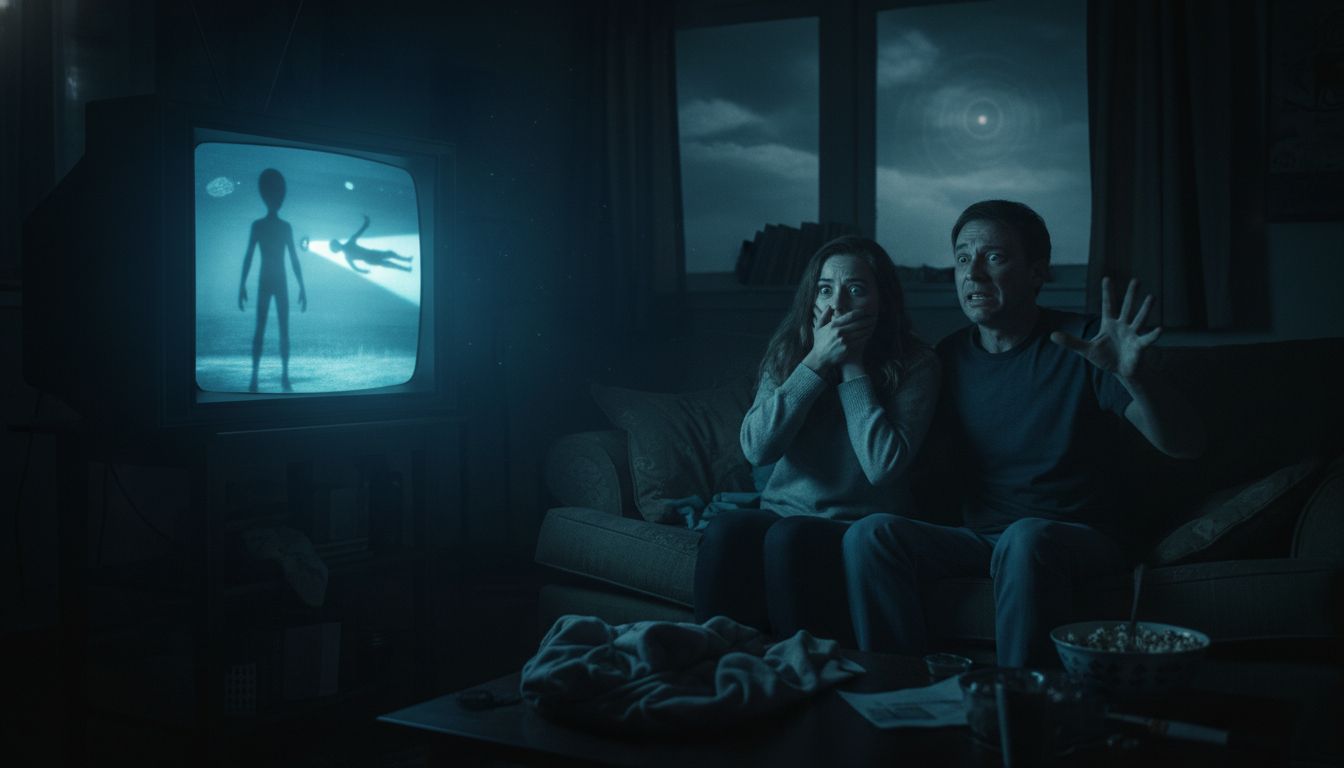
The Travel Channel’s latest documentary special, Terrifying First‑Hand Alien Abduction Accounts, brings together a series of personal testimonies from individuals who claim to have been taken by non‑human entities. Airing as part of the network’s ongoing exploration of fringe phenomena, the hour‑long program assembles footage of witnesses describing luminous crafts, clinical‑like examinations, and abrupt gaps in memory. While the series leans heavily on dramatic reenactments, producers emphasize that the core of the show is the psychological aftermath experienced by the interviewees.
Witness Accounts
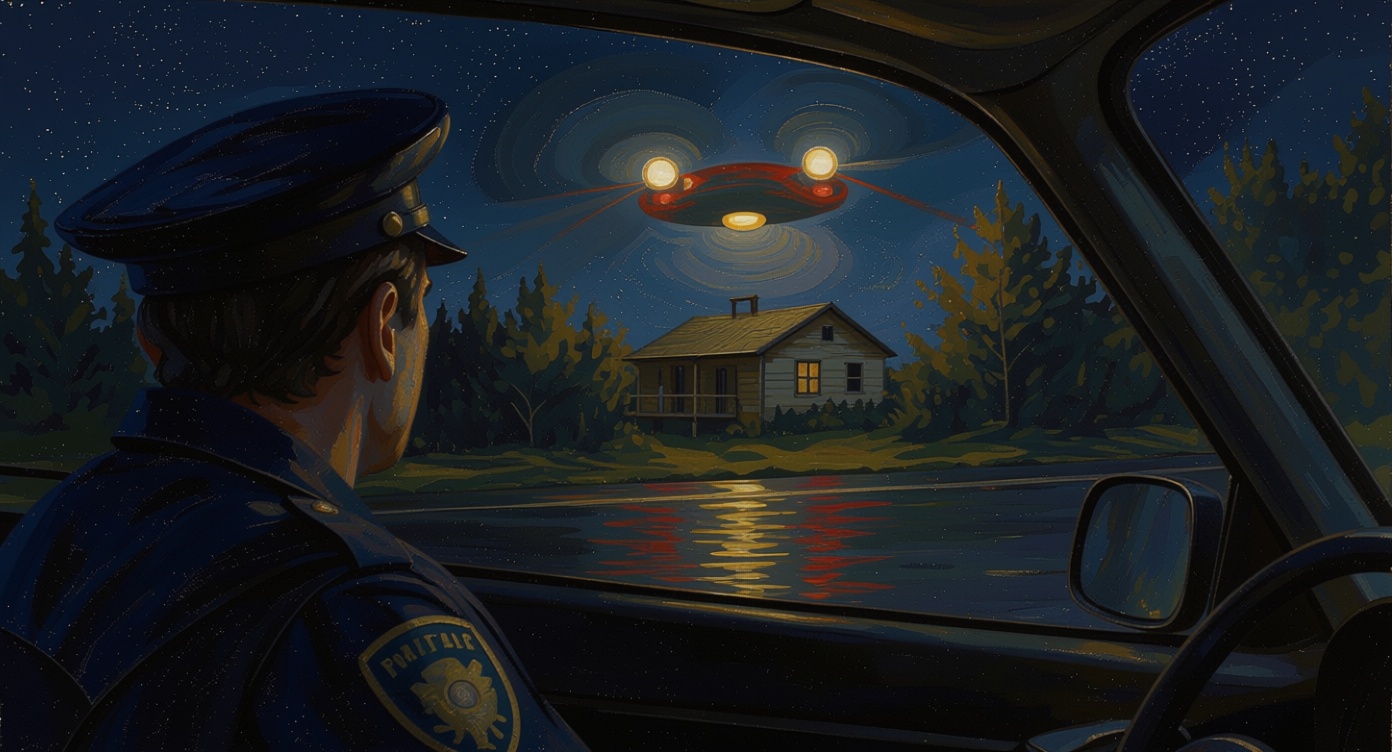
Across the episode, four primary witnesses share their experiences. A retired electrician from rural Ohio recounts an encounter on a dark highway where a “silvery disc hovered low, and before he could react, he felt a pressure on his chest and a sudden loss of time.” A college student from Arizona describes being lifted from her bedroom while “bright, insect‑like lights swirled around me, and a voice that sounded like static whispered questions I could not understand.” A middle‑aged farmer in Iowa recalls being examined by “tall, thin beings with elongated heads; they used devices that emitted a low hum, and after the encounter he woke up with strange markings on his forearm.” Finally, a nurse from New York speaks of recurring “nightmare‑like flashes” and an overwhelming sense of being observed after an alleged abduction during a late‑night shift.
The program refrains from presenting these narratives as verified fact, instead allowing the witnesses to speak directly to the camera. “I still don’t know if it was a dream or something else,” one participant admits, underscoring the lingering ambiguity that surrounds many abduction reports.
Psychological Impact
A recurring theme in the documentary is the lasting emotional and mental toll such experiences can exact. The Travel Channel collaborates with clinical psychologist Dr. Elena Ramos, who specializes in trauma related to anomalous experiences. Dr. Ramos explains that “whether the events are objectively real or not, the subjective reality can trigger symptoms akin to post‑traumatic stress disorder—hypervigilance, sleep disturbances, and intrusive memories.” She notes that many abduction claimants report feeling isolated, as mainstream society often dismisses their accounts, compounding the distress.
The show also references a 2023 study published in The Journal of Anomalous Psychology that surveyed 112 self‑identified abductees. Findings indicated that 68 % experienced heightened anxiety levels, while 42 % reported persistent dissociative episodes. The documentary uses these statistics to frame the personal stories within a broader research context, avoiding sensationalist language while acknowledging the genuine suffering reported by participants.
Expert Commentary
Beyond Dr. Ramos, the program features commentary from UFO researcher and former Air Force pilot Lt. Col. Mark Whitaker, who cautions against drawing definitive conclusions from anecdotal evidence. “We have a long history of cultural motifs shaping how people interpret unexplained lights or sensations,” Whitaker says. “The challenge is to differentiate between psychosocial phenomena and potential physical encounters, a line that remains blurry.”
The inclusion of both mental‑health professionals and experienced investigators aims to provide a balanced perspective, highlighting that the field still lacks consensus on the origins of abduction reports.
Reception and Broader Context
Since its premiere, the Travel Channel special has drawn a mixed response. Viewers on social media platforms have praised the program for giving a voice to individuals often marginalized by mainstream discourse, while skeptics criticize the reliance on unverifiable testimonies. Media analysts note that the show fits within a growing trend of television networks exploring fringe topics with a “human‑interest” angle, rather than pure speculation.
In the wider UFO community, the documentary has sparked renewed discussion about the need for systematic data collection and interdisciplinary research. Organizations such as the Mutual UFO Network (MUFON) have expressed interest in collaborating with mental‑health experts to better understand the intersection of anomalous experiences and psychological well‑being.
While the Travel Channel’s Terrifying First‑Hand Alien Abduction Accounts does not claim to resolve the mystery of UFOs, it foregrounds the personal realities of those who say they have lived them, reminding audiences that the conversation around extraterrestrial encounters is as much about human perception and trauma as it is about the unknown skies above.