Overview
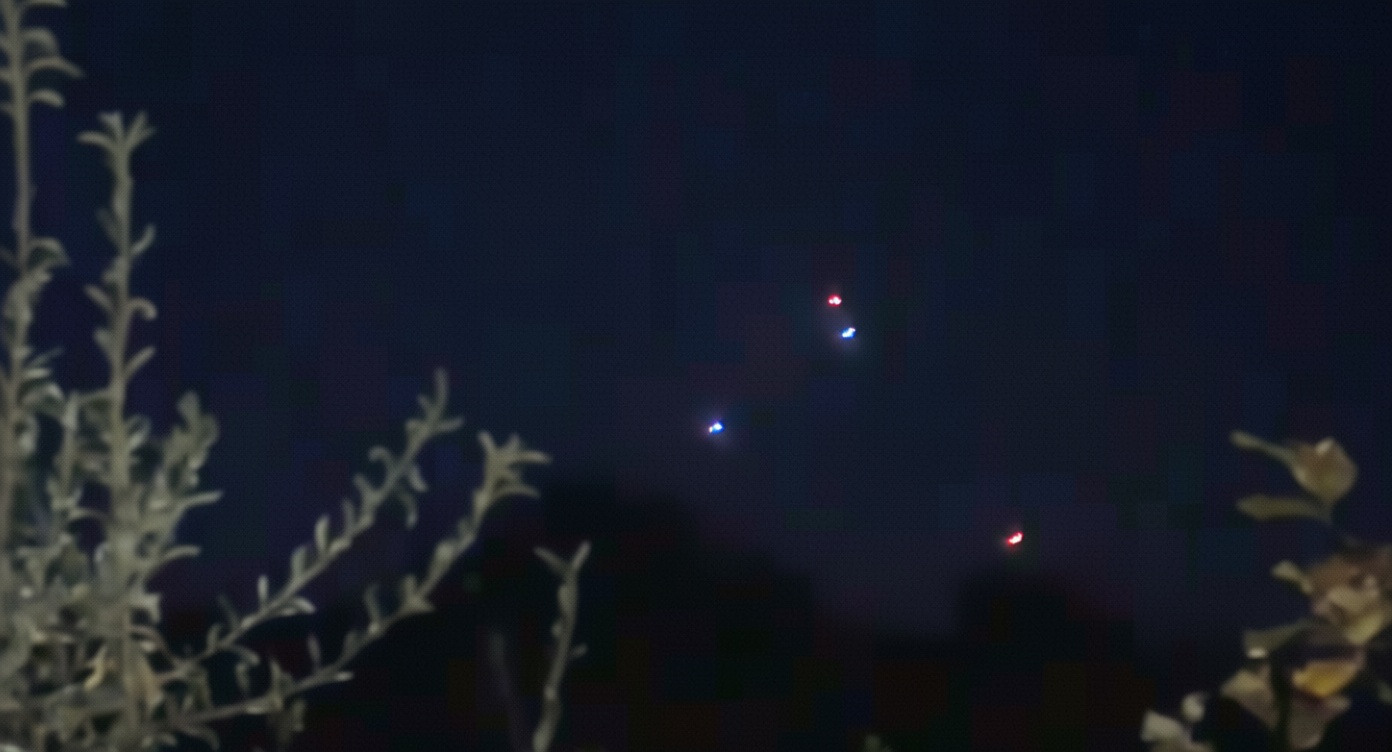
A handheld video posted to a public platform shows a bright, spherical object hovering in a clear daytime sky. The footage, captured with a consumer‑grade camera, offers a single, slightly unsteady shot of the phenomenon, supplemented by a picture‑in‑picture (PiP) window that zooms in on the object. No narration, timestamps, or location markers accompany the upload, leaving analysts with only the visual record to assess. The uploader describes the clip as a “recent sighting for analysis,” and it has been tagged with generic UAP‑related hashtags, prompting interest from both amateur enthusiasts and professional investigators.
Visual Description
The primary subject appears as a consistent, luminous white orb positioned amid scattered clouds. In the main frame the object remains essentially stationary while the surrounding cloudscape drifts past, suggesting either true hovering or motion at a speed comparable to the ambient wind. The PiP view, located in the upper‑right corner, offers a closer look, confirming the lack of visible wings, rotors, exhaust plumes, or other propulsion signatures typical of conventional aircraft or drones. Ambient sound captured by the microphone is limited to wind and distant environmental noise; no engine or rotor sounds are audible.
Technical Assessment
From a technical standpoint, the video provides limited data. The handheld nature of the recording introduces camera shake, which can affect perceived motion, while the absence of metadata—such as GPS coordinates, date, and time—precludes precise triangulation or correlation with known air traffic. Nonetheless, analysts note that the object's steady brightness and lack of aerodynamic features differentiate it from known commercial or military platforms. Dr. Elena Morales, an aerospace engineer at the University of Arizona who studies anomalous aerial observations, cautions, “Without corroborating radar data or multiple independent recordings, a single visual account cannot substantiate the presence of a novel aerial vehicle.” She adds that atmospheric optics, such as lenticular clouds illuminated by the sun, can sometimes produce bright, stationary appearances that mimic solid objects.
Context and Comparison
Stationary or slowly moving luminous spheres have appeared intermittently in the UAP database maintained by the U.S. Office of the Director of National Intelligence (ODNI). Similar reports often lack definitive explanations, with many later attributed to weather balloons, instrumented drones, or optical artifacts. However, the absence of any visible tether, antenna, or exhaust in this footage sets it apart from many documented drone sightings, which typically exhibit rotors or prop wash. The video joins a growing collection of civilian‑recorded UAPs that challenge conventional classification, underscoring the need for systematic data collection standards.
Next Steps
Researchers encourage the uploader and any potential witnesses to provide additional information, such as the exact location, date, and any accompanying sensor data (e.g., smartphone GPS logs). Collaboration with local aviation authorities could determine whether any authorized flights were operating in the area at the time. Until such contextual details emerge, the clip remains an open‑ended piece of visual evidence that will be catalogued alongside other unexplained aerial observations for future comparative analysis.