Overview
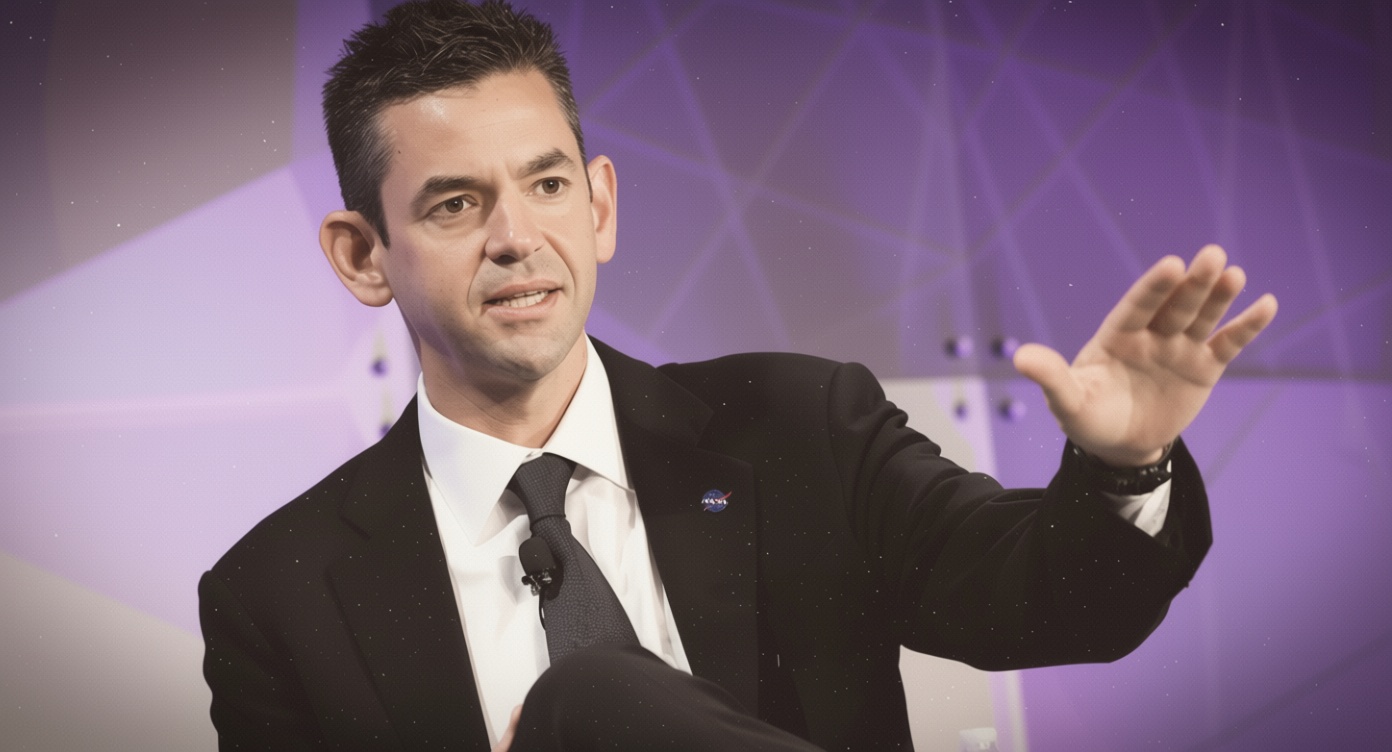
In a live‑streamed segment on FOX 10 Phoenix, local officials and federal experts convened to discuss two seemingly unrelated but community‑impacting topics: the push for greater transparency on unidentified aerial phenomena (UAP) and the recent verdict in a high‑profile murder trial that has gripped the Phoenix area. The program, aired on Tuesday evening, combined national security briefings with courtroom updates, underscoring how federal policy and local justice intersect in the daily lives of Arizonans.
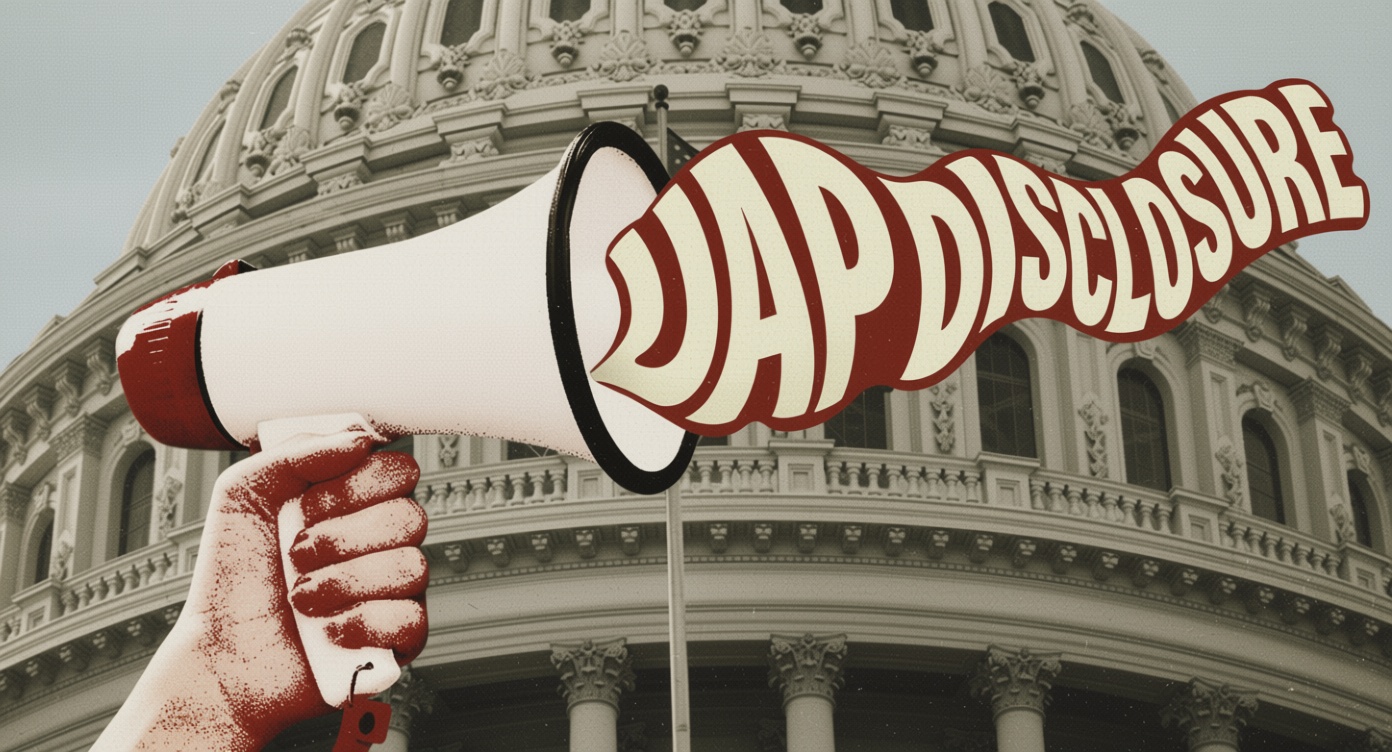
UAP Transparency Efforts
State Representative Michele Miller opened the discussion by noting that “Arizona taxpayers deserve to know what’s happening in our skies.” She referenced the 2022 Pentagon report that formally acknowledged UAP sightings and the establishment of the Department of Defense’s All‑Domain Anomaly Resolution Office (AARO), which is tasked with collecting and analyzing data across air, sea, and space domains. A senior AARO liaison, Lt. Cmdr. James Harper, told the panel that the agency has declassified over 200 incident reports since 2020 and is working with the Office of the Director of National Intelligence to release a public summary later this year. Harper emphasized that while many cases are likely explainable—such as sensor glitches or commercial drones—“a subset remains unexplained, and that warrants open dialogue.”
The conversation turned to the legal framework governing UAP data. Arizona Attorney General Katherine Lee highlighted the 2023 Intelligence Authorization Act, which mandates that agencies provide Congress with quarterly briefings on UAP findings. Lee added that the state is lobbying for a state‑level transparency bill that would require any agency operating within Arizona to disclose UAP‑related activities that could affect public safety. Critics, however, warned that premature release of raw data could jeopardize national security and ongoing investigations.
Government Secrecy Concerns
Former federal intelligence analyst Dr. Alan Vargas cautioned against assuming that all secrecy is nefarious. “Classified information exists for a reason—protecting sources, methods, and, in some cases, the safety of pilots and civilians,” he explained. Nonetheless, Dr. Vargas acknowledged that “the historical pattern of withholding information erodes public trust, especially when sightings involve military training ranges that border civilian airspace.” He cited the 2021 UAP Task Force recommendation that a public-facing portal be created, allowing citizens to submit sightings and receive status updates. The panel agreed that a balanced approach—transparent enough to satisfy public curiosity while safeguarding sensitive details—remains the central challenge.
High‑Profile Murder Verdict
Switching gears, FOX 10’s investigative unit reported on the verdict in the People v. Ramirez case, a murder trial that has dominated local headlines for the past year. The defendant, 34‑year‑old Carlos Ramirez, was found guilty of first‑degree murder in the fatal shooting of community activist Maria Sanchez outside a downtown Phoenix coffee shop in March 2023. Presiding Judge Laura Hernandez delivered a 30‑year prison sentence, citing “the premeditated nature of the act and the profound impact on the victim’s family and the broader community.”
Prosecutor Eddie Gonzalez praised the jury’s decision, stating, “Justice has been served for Maria and her loved ones. This verdict sends a clear message that violent intimidation will not be tolerated in our city.” Defense attorney Sofia Mendoza expressed disappointment, arguing that “the evidence presented was circumstantial and that the jury was swayed by public sentiment rather than facts.” The courtroom was packed with supporters of Sanchez, many of whom held up signs reading “Maria Sanchez Lives On.”
Community Impact
The dual focus of the segment highlighted how both national security and local justice shape public confidence. Residents expressed relief that the state is actively seeking greater UAP disclosure, viewing it as a step toward demystifying a topic that has long been relegated to conspiracy circles. Simultaneously, the murder verdict offered a sense of closure for a community still reeling from the loss of a prominent activist. “Seeing the system work, even after a painful process, restores faith,” said Juan Lopez, a neighbor of Sanchez.
Local law enforcement officials noted that the UAP discussion will not interfere with ongoing investigations, but they remain open to collaborating with federal agencies should any aerial incidents intersect with criminal activity.
Looking Ahead
Both issues underscore a broader trend: the demand for transparency and accountability in institutions that historically operated behind closed doors. Arizona’s push for a state‑level UAP disclosure bill may set a precedent for other states, while the Ramirez verdict reinforces the judiciary’s role in addressing high‑profile crimes. As the AARO prepares its upcoming public briefing and the community continues to heal from the tragedy of Maria Sanchez’s death, Phoenix residents are reminded that vigilance—whether in the skies or the courtroom—remains essential to a healthy democracy.