Overview
On December 23, 2025, a private‑pilot encounter over Rhode Island was thrust back into the public eye after a FOX 10 Phoenix report aired an audio recording of the exchange between the pilot and air‑traffic control (ATC). The incident, involving a “small silver cylindrical object” observed near the wingtip of a Piper PA‑32RT‑300T at roughly 3,500 feet, has reignited discussions about how the modern aviation system records and responds to unidentified anomalous phenomena (UAP). The episode arrives alongside broader media coverage—including Fox News’ “secret files” story linking UAP sightings to nuclear sites and Space.com’s assessment that UAP research is “maturing”—underscoring a growing demand for systematic, safety‑focused data collection.
Incident Details
The recorded ATC transcript shows the pilot describing the object in plain, operational language: “It appears to be standing still… looks like a strange, small object that we just floated by… a small silver canister.” Controllers and nearby pilots responded with standard phraseology, followed by a brief, joking remark from another crew (“I want to believe… good luck with the aliens”), illustrating how quickly the moment slipped from a safety report to a pop‑culture reference. The FAA’s standard incident‑reporting forms were not immediately invoked, and the pilot later filed a voluntary safety report, a practice that has been criticized as insufficient for capturing hard data on UAP events.
Broader Context
The Rhode Island encounter is part of a larger pattern observed in 2025, where multiple UAP sightings have been linked—real or alleged—to critical infrastructure, including nuclear facilities. Fox News highlighted declassified documents suggesting a correlation between UAP activity and sensitive sites, while the documentary The Age of Disclosure framed the issue as a national‑security concern. Space.com, however, emphasized that despite increased media attention, the scientific community still lacks definitive evidence, noting that “the aviation case for better data is getting harder to dismiss.” These divergent narratives reflect a tension between sensational headlines and the need for rigorous, evidence‑based analysis.
Safety Implications
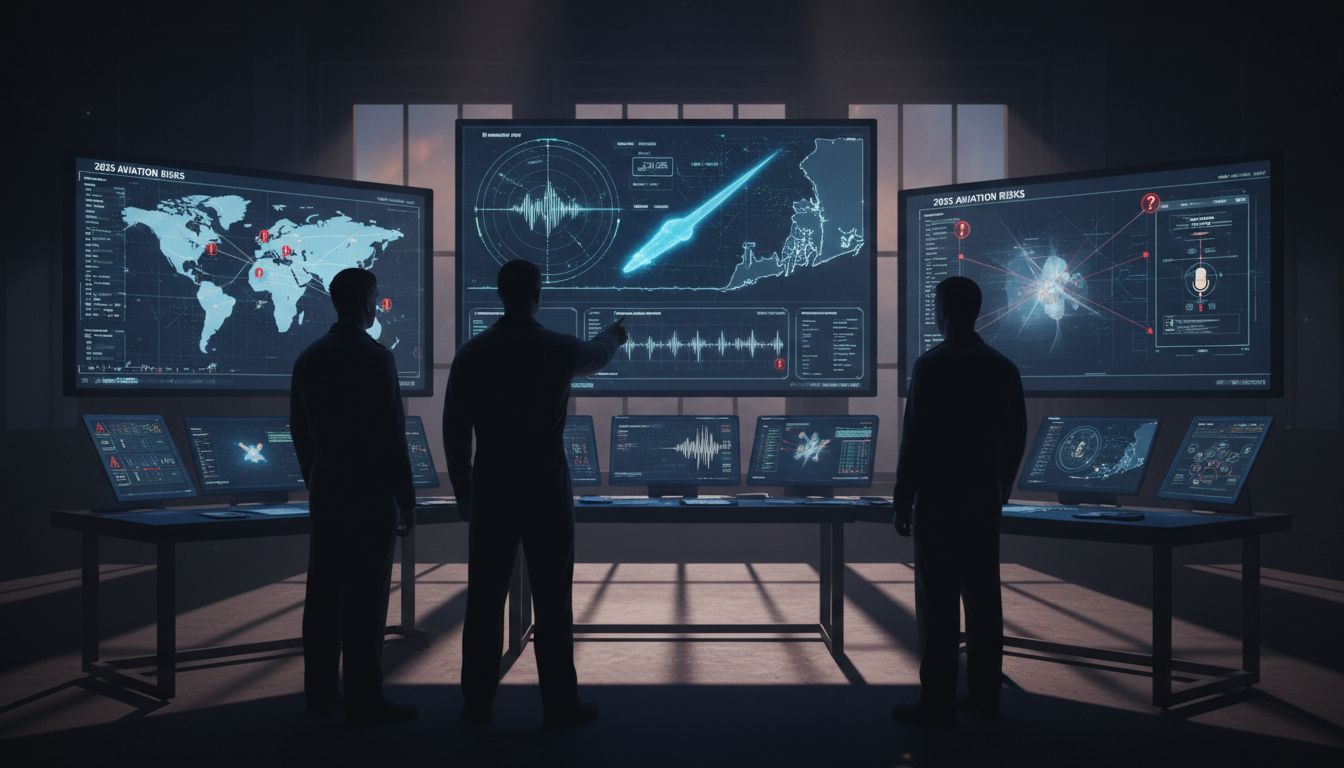
From an aviation‑safety perspective, the incident raises three immediate concerns: situational awareness, reporting fidelity, and risk assessment. Pilots rely on clear, unambiguous information to maintain safe separation; an unexplained object near a wing can trigger distraction, instrument cross‑checks, or unplanned maneuvers. Current reporting mechanisms—primarily voluntary pilot reports and the FAA’s Form 337—do not mandate the collection of high‑resolution audio, video, or radar data, limiting investigators’ ability to reconstruct events. Moreover, the stigma attached to UAP disclosures can discourage pilots from filing timely reports, potentially leaving safety‑critical information unrecorded.
Recommendations for 2026
Industry experts and government officials are calling for a standardized UAP reporting system to be integrated into existing safety‑management frameworks by 2026. Key proposals include:
- Automated data capture – equipping aircraft with optional, secure recording devices that can be triggered by anomalous sensor readings.
- Mandatory reporting thresholds – defining clear criteria (e.g., object within 5 NM, altitude below 10,000 ft) that require an immediate safety report to the FAA and the All‑Domain Anomaly Resolution Office (ADARO).
- Protected confidentiality – ensuring pilots can submit reports without fear of professional repercussions, similar to the confidential reporting programs used for fatigue and near‑miss incidents.
Adopting these measures would align UAP handling with the aviation sector’s broader safety culture, allowing regulators to see, record, and explain anomalous events before they evolve into larger operational or security risks. As the industry moves toward the 2026 horizon, the focus remains on turning anecdotal sightings into actionable data, thereby safeguarding both flight crews and the public.