Overview
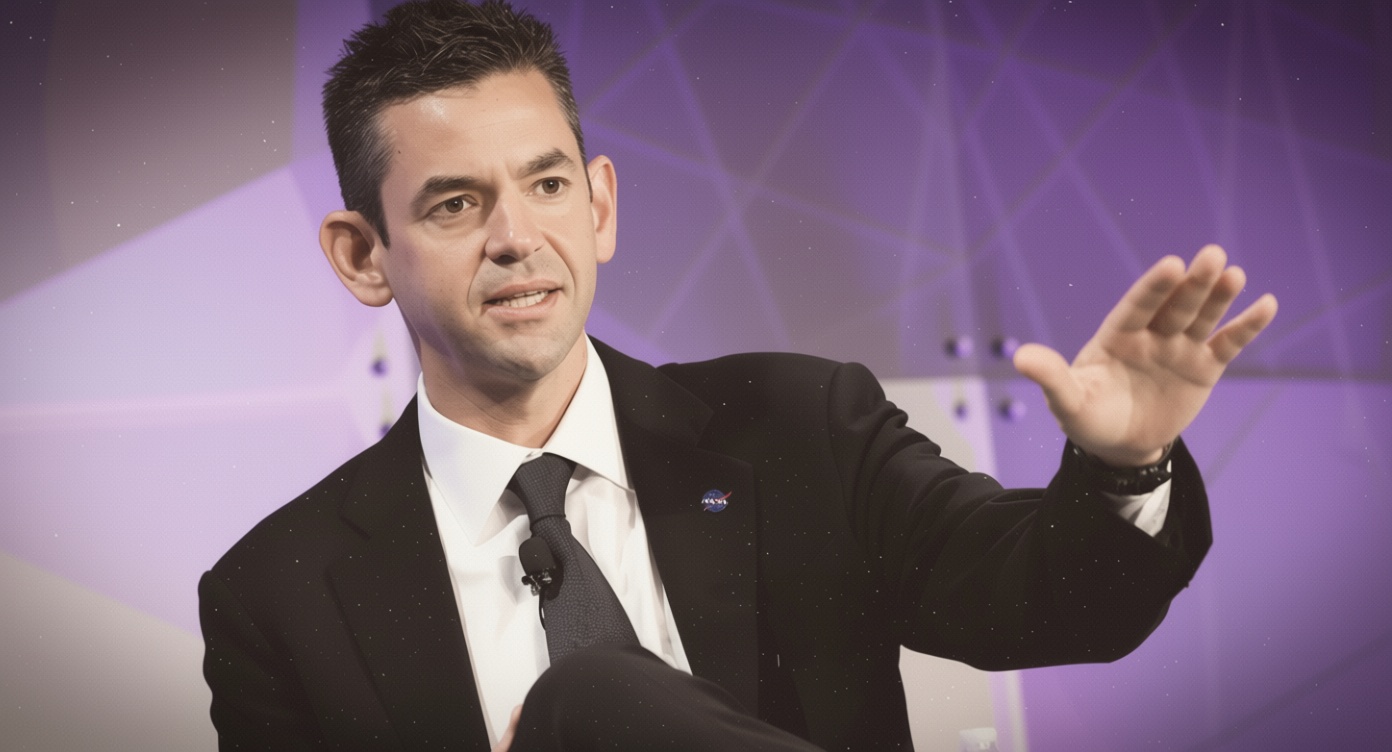
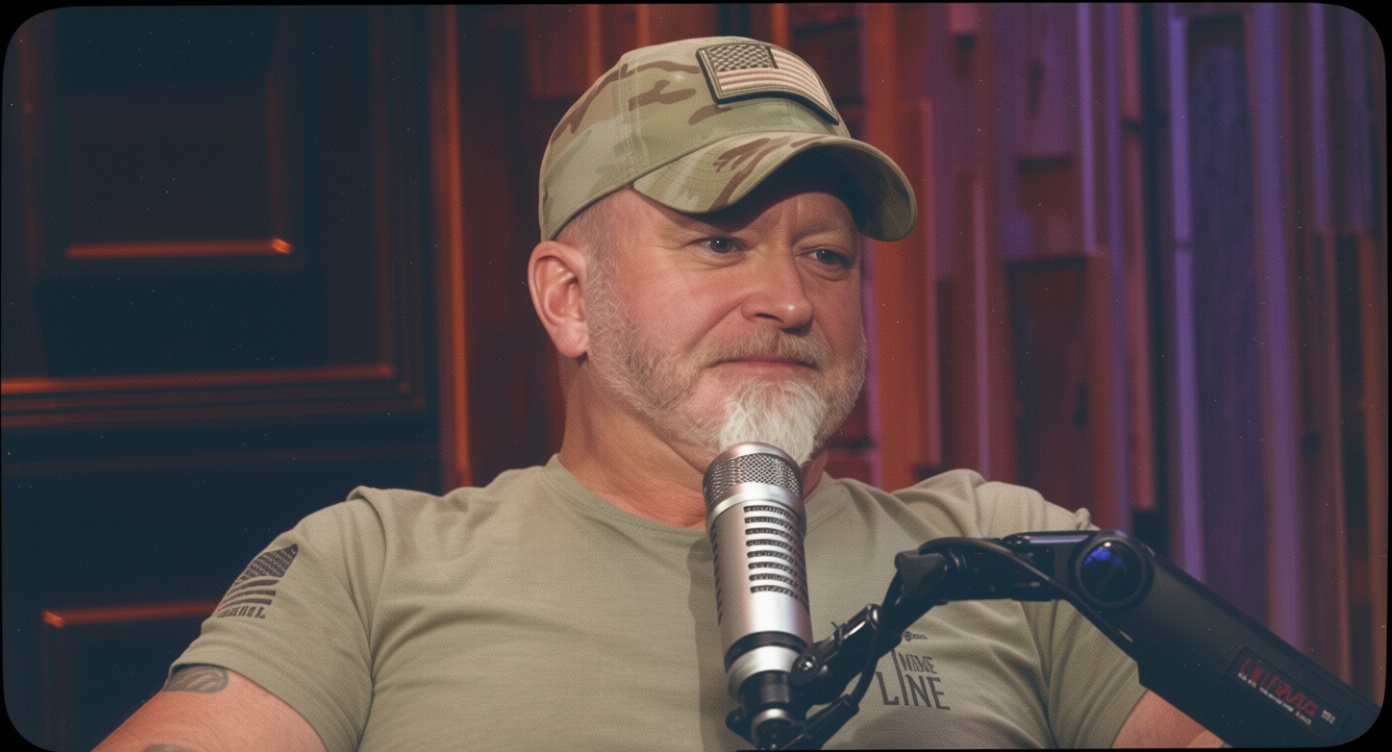
UAP whistleblower Luis Elizondo has again thrust the long-running debate over unidentified anomalous phenomena into the spotlight, this time by saying a congressional staffer warned him about a plot to “eliminate” him, according to a Fox News report. The allegation, if accurate, would mark a striking escalation in the tensions surrounding one of the most visible figures in the modern UFO disclosure movement. At the same time, the claim remains just that — an allegation — and the source material provided does not include independent verification, supporting evidence, or a response from the parties allegedly involved.
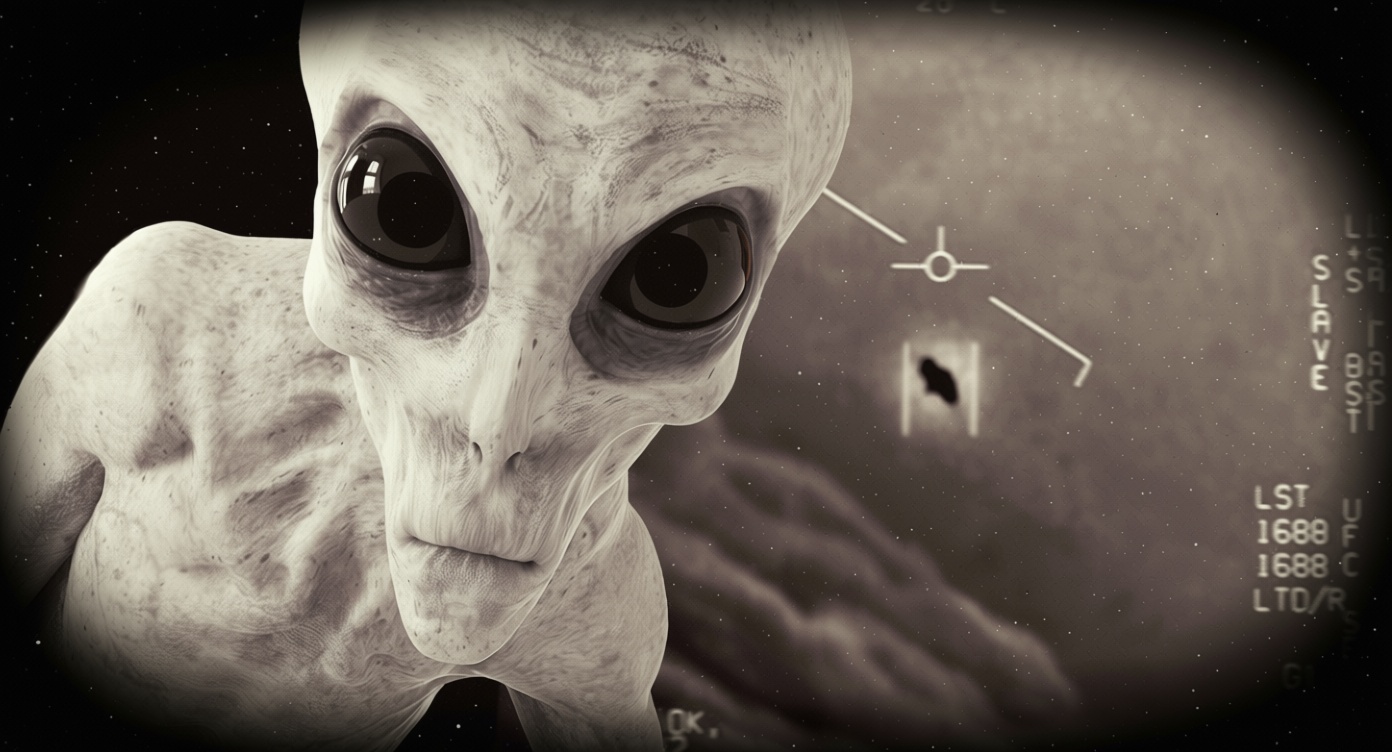
Elizondo, a former Pentagon official who became a central public advocate for greater transparency on UAP issues, has spent years arguing that government secrecy has obscured important information about unexplained aerial encounters. His disclosures helped fuel renewed congressional interest in the subject and contributed to a broader shift from fringe speculation toward formal oversight hearings, legislative attention, and intelligence-community scrutiny. Against that backdrop, any suggestion that he was warned of a threat to his safety is likely to intensify concern among lawmakers, advocates, and skeptics alike.
The Allegation and Its Significance
According to the Fox News report, Elizondo said a congressional staffer informed him of a plan to “eliminate” him, language that suggests a serious and potentially personal threat. The report, as summarized in the source material, does not provide details about when the warning was allegedly given, who exactly made it, or what the basis for the warning was. Nor does it indicate whether any law enforcement or congressional security bodies were notified. Those omissions matter, because claims involving threats against public figures can range from credible intelligence to rumor, miscommunication, or unsubstantiated warning.
Even so, the mere airing of such an allegation adds another layer to the increasingly contentious environment around UAP disclosure. Elizondo has often positioned himself as a critic of entrenched secrecy, while detractors have questioned the evidentiary basis for some of the claims that have circulated in the disclosure space. A statement alleging that someone wanted him “eliminated” raises the stakes far beyond policy disagreements and places the issue in the realm of personal security and potential intimidation.
Broader Context in the UAP Debate
The timing of the claim is notable because public interest in UAPs has grown alongside a more serious congressional posture toward the topic. In recent years, lawmakers have pushed for classified briefings, inspector general reviews, and new reporting channels for military personnel who encounter unexplained craft or phenomena. That institutional attention has helped normalize discussion of the subject, but it has also created a sharper divide between those who believe disclosure is being obstructed and those who see many of the claims as overstated or unsupported.
Elizondo has become one of the most recognizable faces of that divide. Supporters view him as a credible insider willing to speak candidly about hidden information; critics argue that the public discussion often leaps ahead of the evidence. His latest allegation is likely to be interpreted through that same split lens. For believers, it may reinforce the sense that disclosure carries real-world risks. For skeptics, it may underscore the need for documentary proof and corroboration before drawing conclusions.
What Comes Next
For now, the central fact is that Elizondo says he was warned about a plot to harm him, and that report has amplified attention on both his safety and the credibility battle surrounding UAP narratives. Without additional evidence or official comment, the allegation cannot be assessed beyond the claims described in the Fox News account. Still, the story underscores how the UAP issue has evolved from a niche curiosity into a politically sensitive subject involving intelligence, military reporting, public transparency, and, increasingly, personal risk for those who speak out.
If the allegation is pursued further, observers will likely look for any corroboration from congressional offices, security officials, or other witnesses. Until then, the episode serves as another reminder that the UFO disclosure debate is no longer confined to questions about unexplained objects in the sky — it now also encompasses questions about power, secrecy, and the consequences of going public.