Overview
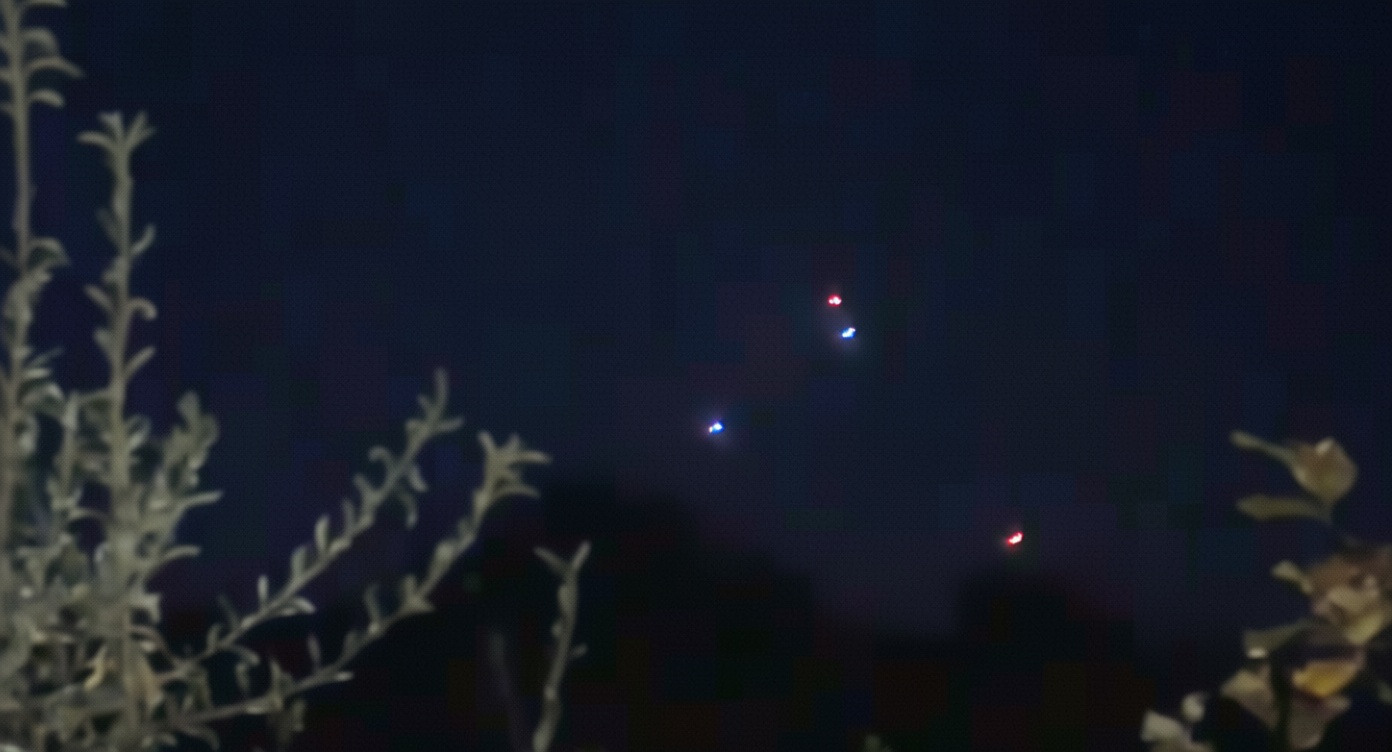
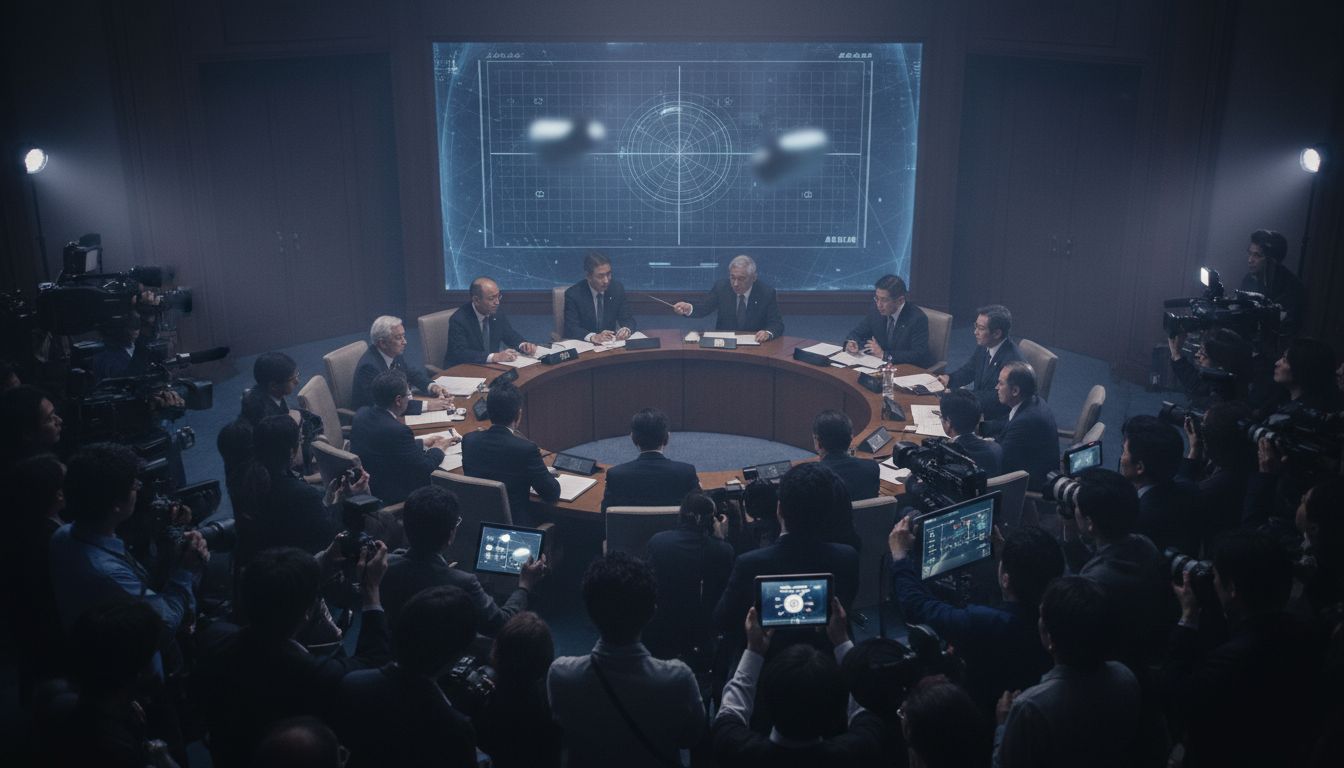
A parliamentary “UFO caucus” convened in Tokyo this week, drawing attention from Japanese media and the broader international community. The meeting, organized by the UFO Parliamentary League—a cross‑party group that seeks to bring Unidentified Aerial Phenomena (UAP) into formal security discussions—was livestreamed on YouTube and subsequently highlighted in a series of posts on X (formerly Twitter). While the Japanese press coverage was limited, the event underscored a growing willingness among legislators to treat UAP reports as a matter of national defense rather than fringe curiosity【79】.
Meeting Details
The session, held at the Diet’s Research Committee rooms, featured a panel of lawmakers, defense officials, and civilian experts. Chairperson Rep. Hiroshi Tanaka (LDP) opened the floor by noting that “the frequency and sophistication of recent UAP sightings demand a structured, evidence‑based response.” A senior officer from the Japan Air Self‑Defense Force presented de‑classified radar data from three separate incidents recorded over the past twelve months, emphasizing the lack of conventional explanations. The discussion also included a brief from the Ministry of Defense’s Intelligence Bureau, which outlined current protocols for investigating aerial anomalies and the need for inter‑agency data sharing.
Security Perspective
The caucus framed UAP as a potential security risk, not because of any confirmed extraterrestrial threat, but due to the unknown capabilities of the observed objects. “When an object appears on multiple sensors without identifiable signatures, it could represent advanced foreign technology, a civilian drone, or an atmospheric anomaly,” explained Dr. Keiko Saito, a senior analyst at the National Institute for Defense Studies. Participants agreed that existing air‑space monitoring systems must be upgraded to capture high‑resolution imagery and electronic emissions. The group called for a dedicated UAP task force within the Self‑Defense Forces, equipped with rapid‑response aircraft and satellite assets, to investigate sightings in real time.
International Context
Japan’s renewed focus on UAP aligns with a wave of global disclosure efforts. In June 2023, the U.S. Office of the Director of National Intelligence released a preliminary assessment of UAP, prompting several allied nations to reassess their own reporting mechanisms. During the Tokyo meeting, a diplomat from the United Kingdom’s Ministry of Defence shared insights from a recent NATO‑led workshop on anomalous aerial phenomena, noting that “shared data pools improve threat assessment for all members.” The Japanese legislators expressed interest in joining a proposed International UAP Working Group, which aims to standardize data collection, classification, and analysis across participating countries.
Reactions and Next Steps
The live broadcast attracted over 12,000 views on YouTube within the first hour, and the X thread posted by the caucus garnered more than 1,800 retweets, indicating substantial public interest. While some commentators praised the transparent approach, others cautioned against politicizing a topic that still lacks definitive scientific evidence. In response, the UFO Parliamentary League announced plans to submit a formal proposal to the Diet’s Committee on National Security by the end of the month, seeking budget allocation for a UAP research and response unit. Additionally, the group pledged to release periodic briefings to the public, aiming to balance national security considerations with the public’s right to information.
Bottom line: Japan’s parliamentary UFO caucus has moved the conversation on Unidentified Aerial Phenomena from speculative fringe to a concrete security agenda, mirroring similar initiatives abroad. By advocating for dedicated investigative resources and international cooperation, Japanese lawmakers are positioning the nation to address any potential threats—known or unknown—while maintaining a transparent dialogue with the public.