Overview
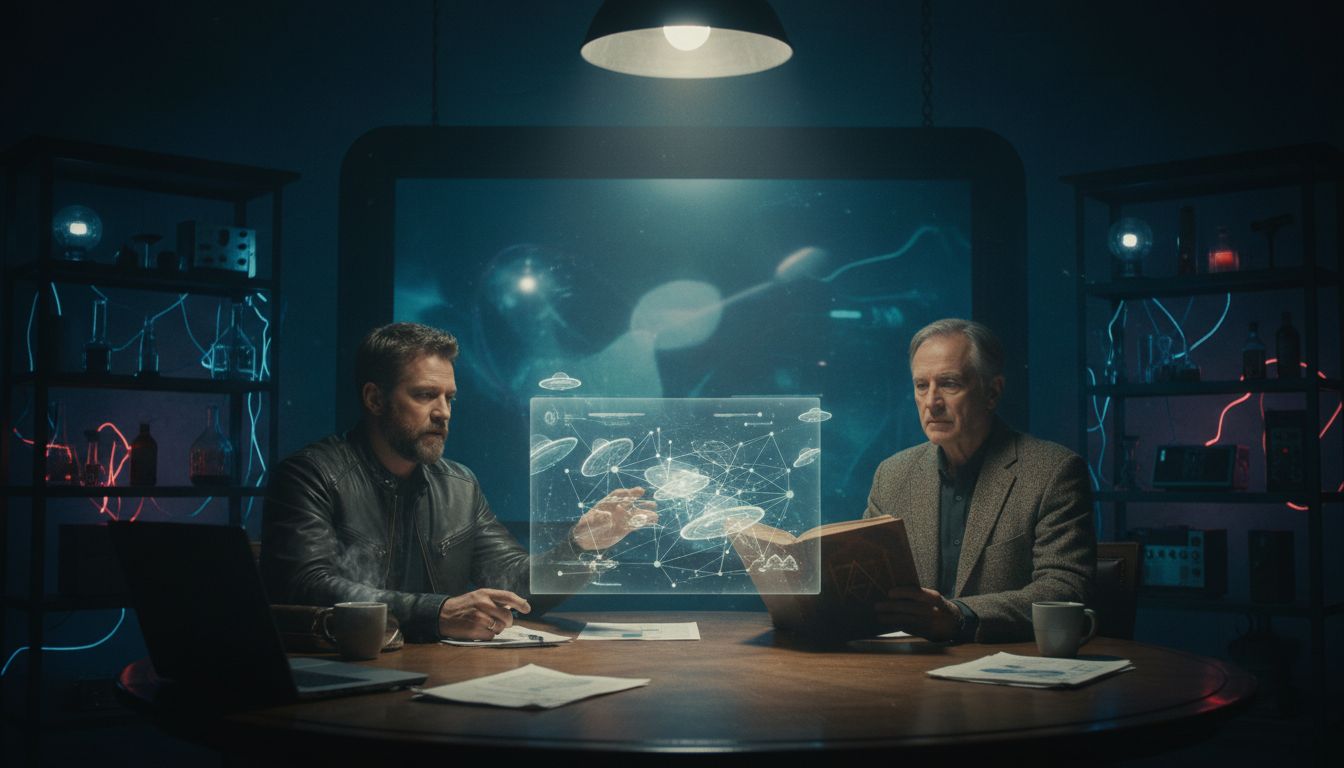
In the latest episode of the “UFO Lessons from Lacatski – The Doctor of Disclosure” podcast, hosts Jeremy Miller and George Keller dissect a series of revelations offered by Dr. James Lacatski, the former director of the Advanced Aerospace Weaponry and Surveillance Assessment Program (AAWSAP). AAWSAP, described by the Pentagon as the largest government‑funded investigation into unidentified aerial phenomena (UAP), concluded its classified work in 2022. Lacatski’s third book, released this month, draws directly from the program’s declassified files and has reignited debate over the extent of the U.S. government’s knowledge of “retrieved” craft.
Key Revelations
Lacatski’s new manuscript claims that, during his tenure, he personally observed “government‑stashed, recovered UFOs” stored at undisclosed locations. He provides limited, non‑technical descriptions—metallic hulls with propulsion systems that defy conventional aerodynamics—and notes that these objects were examined by a coalition of DIA analysts, aerospace engineers, and select congressional staff. While he stops short of releasing visual evidence, Lacatski says the data is “sufficiently robust to merit a formal briefing to the Senate Intelligence Committee.” He also alleges that the All‑Domain Anomaly Resolution Office (AARO), inaugurated in 2023, operates primarily as a disinformation conduit rather than a genuine investigative body, a claim that contradicts official statements from the Department of Defense.
Credibility and Government Context
Dr. Lacatski’s background bolsters the weight of his assertions. A career officer with the Defense Intelligence Agency (DIA) and a trained rocket scientist, he oversaw AAWSAP’s analytical framework, which integrated radar, infrared, and pilot‑report data from multiple services. Former colleagues, speaking on condition of anonymity, describe him as “meticulous, skeptical, and fiercely protective of classified material.” Their testimony aligns with Lacatski’s own insistence that his disclosures are “carefully vetted to avoid jeopardizing ongoing national‑security operations.” Nevertheless, skeptics point out that his critique of AARO lacks corroborating documentation, urging caution before accepting the program’s purportedly deceptive role.
Motivation for Disclosure
When asked why he chose to go public, Lacatski cited the late Senator Harry Reid, a long‑time advocate for UAP transparency. “Senator Reid’s relentless pressure convinced me that the public’s right to know outweighs the bureaucratic impulse to bury the truth,” Lacatski told the hosts. He further explained that a series of internal briefings in early 2024, which were repeatedly postponed, prompted him to consider alternative avenues for disclosure. According to Jeremy, Lacatski indicated a willingness to share additional classified material directly with congressional oversight committees, provided proper security protocols are observed.
Public Reaction and Outlook
The episode has generated a spectrum of responses across UFO‑interest forums and mainstream media. Some commentators praise Lacatski as the “Doctor of Disclosure,” arguing that his insider status lends unprecedented credibility to claims of extraterrestrial technology. Others caution that his allegations could be part of a strategic narrative aimed at influencing defense funding or political capital. Social‑media sentiment, measured through Twitter hashtags #LacatskiLeaks and #UFOTruth, shows a near‑even split between supportive believers and critical analysts demanding hard evidence. As George noted, the conversation “has shifted from speculative to substantive,” with lawmakers now reportedly requesting a formal briefing on Lacatski’s findings.
Next Steps
While the full impact of Lacatski’s disclosures remains to be seen, the episode underscores a growing willingness among former intelligence officials to engage the public on UAP matters. The forthcoming congressional briefing, if it occurs, could set a precedent for how classified aerospace anomalies are handled in the future. Until then, the balance between transparency and national security will continue to shape the discourse, and journalists like us will keep monitoring the evolving story with a critical, evidence‑based lens.


