Overview
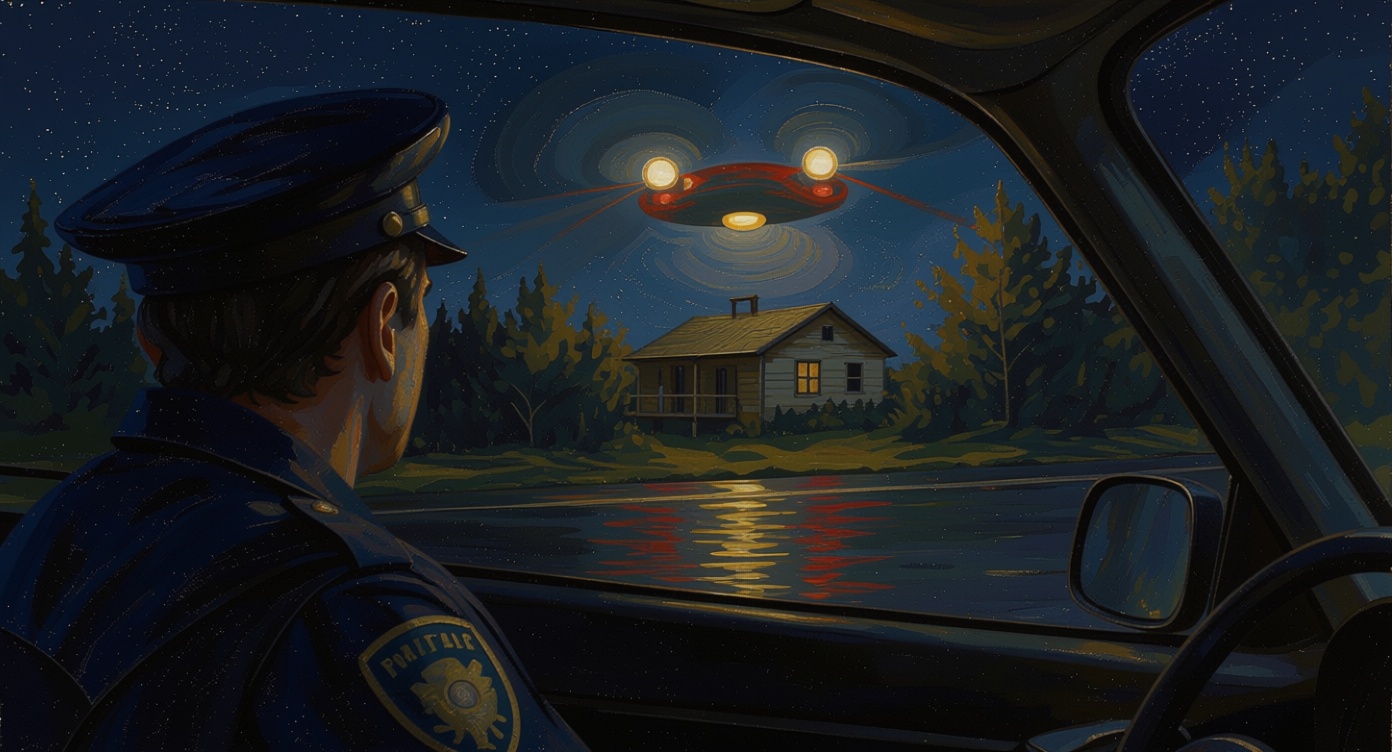
A decades‑old incident at Westall High School in the Melbourne suburb of Westall, Victoria, has resurfaced in public discourse after a recent segment on the 10 News+ program. On 6 April 1966, more than 140 students and staff reported seeing three unidentified aerial objects hovering in daylight sky. The event, often dubbed “Australia’s Roswell,” has been referenced repeatedly on UFO‑focused social media channels, including the popular “UFO Twitter” community, as part of broader conversations about government transparency and potential disclosure of unidentified aerial phenomena (UAP). While the Australian government has historically classified the sighting as a weather‑balloon observation, surviving witnesses continue to demand a formal review of the case.
Witness Accounts
Two of the original witnesses, Joy Clarke and Terry Peck, recounted their experiences during the broadcast. Clarke, then a student, described the objects as “silvery, huge, and circular with a distinct hump in the middle and purple lights around the base,” observed at approximately 10:30 a.m. She emphasized that her conviction has not wavered after six decades, stating, “I still see what I saw that day.” Peck, who was eleven at the time, recalled being within ten metres of a disc‑shaped craft that emitted heat and a low buzzing sound. She noted that the craft tilted, “shot straight up at an incredible speed” to join two other objects before disappearing from view. Both accounts align with other contemporaneous testimonies that described metallic, disc‑like formations moving in coordinated patterns.
Official Response and Allegations of Suppression
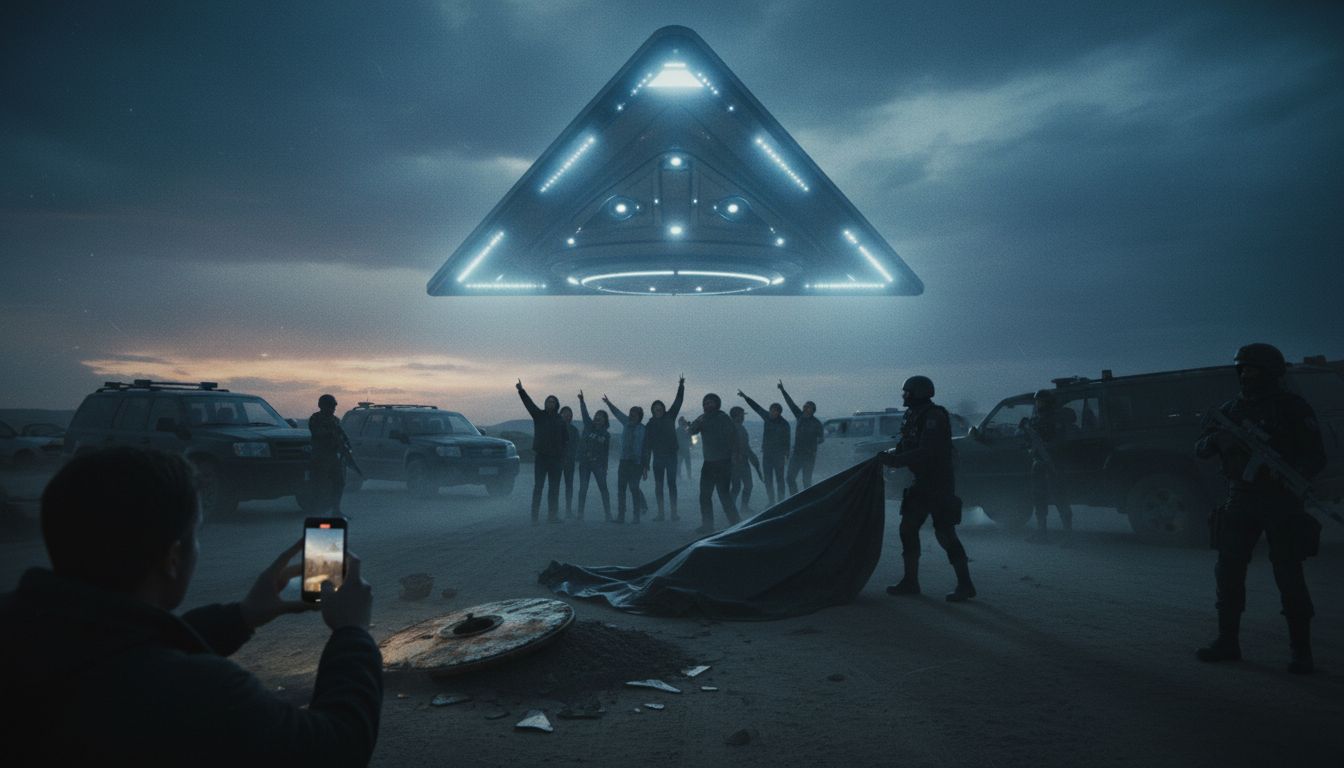
In the hours following the sighting, representatives of the Australian Army, the Royal Australian Air Force, and local police arrived at the school. Witnesses also reported the presence of men in dark suits who instructed students to refrain from discussing the event. The official narrative released to the public attributed the phenomenon to a weather balloon or an “American experiment,” a explanation that Clarke and Peck have repeatedly rejected. According to the segment, school assemblies were used to discourage further conversation, and alleged that film canisters taken from local television stations were never returned. While no formal public inquiry was launched, the witnesses assert that the handling of evidence points to a “mass cover‑up” intended to avoid public alarm.
Context within Ongoing Disclosure Discussions
The Westall case has reentered the spotlight amid renewed international interest in UAP investigations, including the U.S. Pentagon’s Unidentified Aerial Phenomena Task Force and recent congressional hearings. Researchers and advocacy groups argue that historical incidents like Westall provide valuable data points for assessing the frequency and characteristics of unexplained aerial events. However, scholars caution against extrapolating from isolated reports without corroborating radar data or physical evidence. The resurgence of the story on platforms such as “UFO Twitter” reflects a broader cultural shift toward demanding transparency from defense and intelligence agencies, yet it also underscores the challenge of separating anecdotal testimony from verifiable fact.
Current Status and Calls for Action
Now in their seventies, Clarke, Peck, and other former students have signed a petition urging the Australian government to declassify any remaining documents related to the 1966 sighting. Clarke stressed that the witnesses are not seeking speculation but “verification and an answer from those who were in a position of authority at the time.” While the official stance remains unchanged, the consistency of eyewitness testimony and the sheer number of observers continue to attract scholarly attention. Until newly released records or independent investigations provide definitive conclusions, the Westall incident will likely remain a focal point in the ongoing dialogue about how governments address and disclose information on unidentified aerial phenomena.