Overview
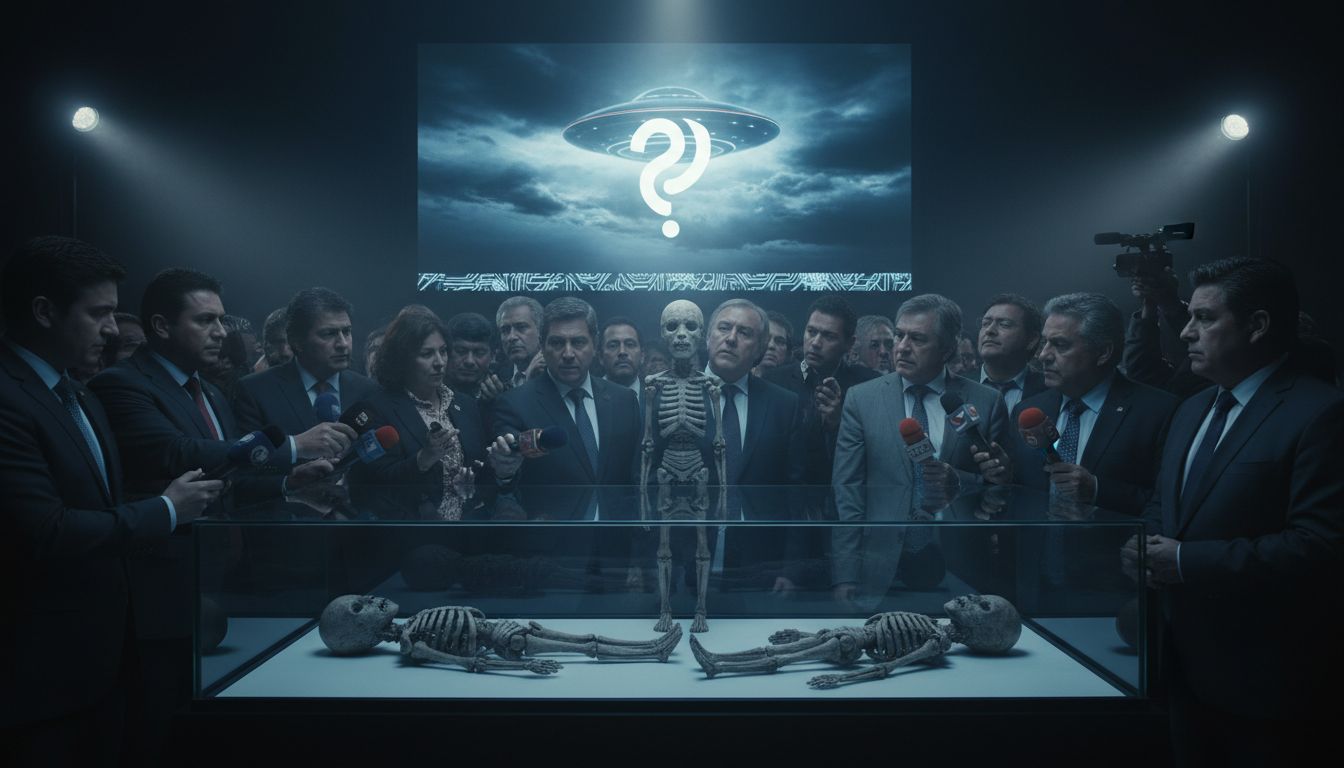
A collection of objects that sparked worldwide speculation as “alien mummies” in Peru has been definitively identified as dolls crafted from animal bones. The items, displayed at a temporary exhibit in Lima’s Museo de la Nación earlier this month, were initially promoted on social media as evidence of extraterrestrial life preserved in the Andes. CBS News confirmed that Peruvian cultural officials, together with forensic anthropologists, have examined the specimens and concluded they are not of extraterrestrial origin but rather traditional bone dolls used in regional rituals and folk art.
Investigation
The controversy began when a local entrepreneur posted photographs of the bone figures, describing them as “mummified alien bodies” unearthed near the town of Puno. The images quickly went viral, prompting inquiries from both amateur UFO enthusiasts and professional researchers. In response, the Ministry of Culture dispatched a team of archaeologists and a forensic laboratory from the National University of San Marcos. Using radiocarbon dating, microscopic bone analysis, and comparative morphology, the experts determined that the figures are composed of bovine and caprine bone fragments assembled into humanoid shapes, a technique documented in Andean craft traditions dating back centuries.
Official Findings
“After a thorough examination, we can state with confidence that these objects are artificial constructs made from animal remains, not preserved extraterrestrial beings,” said Dr. María López, head of the Ministry’s Antiquities Division, in a press briefing on January 10. The forensic report noted that the bone segments showed cut marks consistent with hand tools, and the pigments applied to the surfaces matched natural ochre pigments historically used by indigenous artisans. “There is no anomalous material, no unknown isotopic signatures, and no evidence of advanced technology,” Dr. López added.
Public Reaction
The clarification has been met with mixed responses. Some social‑media users expressed disappointment, while others praised the swift scientific rebuttal. “I’m glad the authorities are transparent; it shows that not every sensational claim holds up under scrutiny,” wrote one commentator on a popular UFO forum. Conversely, a small cohort of self‑identified “UFO researchers” suggested the official narrative might be a cover‑up, a sentiment echoed in a handful of alternative‑media outlets. Nonetheless, the Ministry’s detailed report, now publicly available on its website, appears to have quelled the most fervent rumors.
Broader Context
The episode arrives at a moment of heightened interest in unidentified aerial phenomena, following the U.S. government’s recent declassification of several UAP videos. While the Peruvian bone dolls do not add to the scientific evidence for extraterrestrial life, they underscore the importance of rigorous, multidisciplinary analysis when extraordinary claims surface. As Dr. López emphasized, “Cultural heritage objects can be misinterpreted, especially when presented without proper context. Our role is to protect both the integrity of Peru’s archaeological record and the public’s trust in scientific inquiry.” The incident serves as a reminder that sensational headlines often mask more mundane, yet culturally significant, explanations.


