Overview
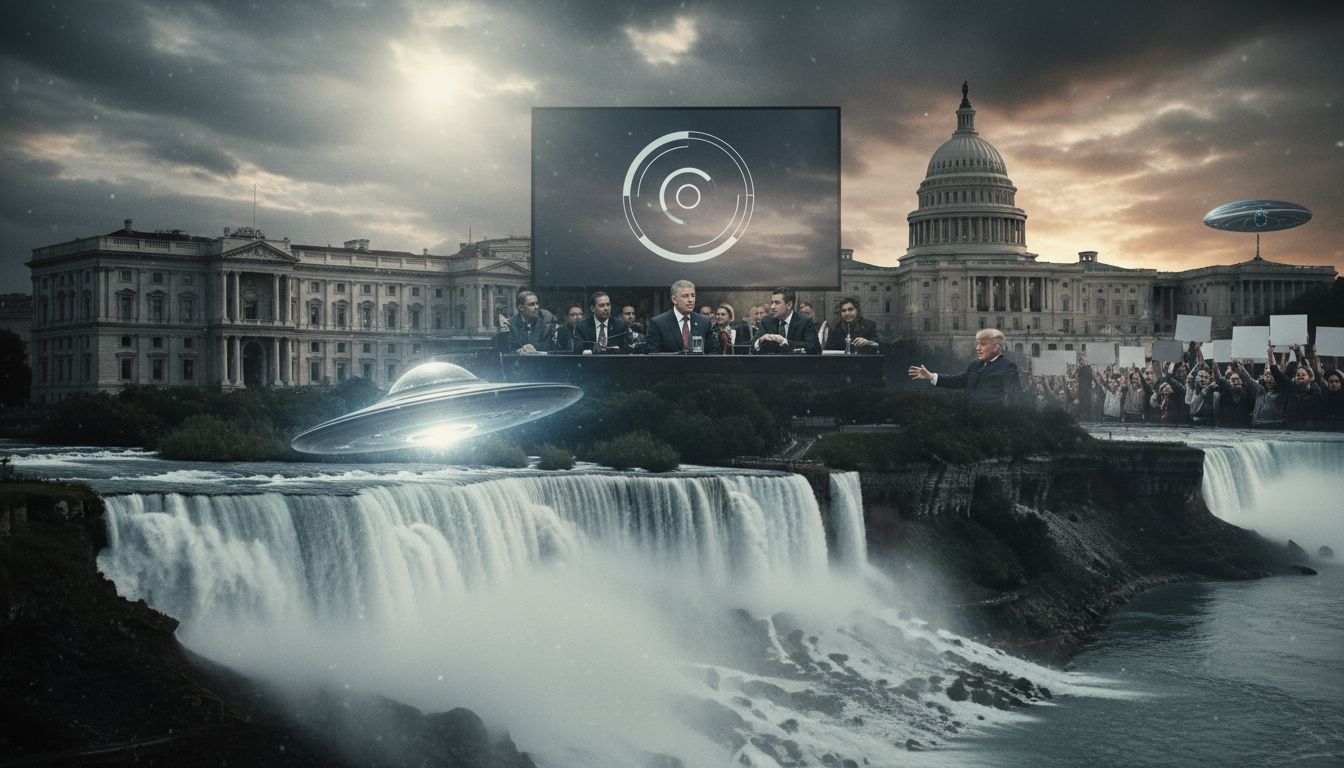
Recent weeks have seen a noticeable acceleration in efforts to bring Unidentified Aerial Phenomena (UAP) information into the public arena. Central to the surge is a reported directive from former President Donald Trump to declassify all federal files related to UFOs, a move that could reshape the longstanding secrecy surrounding the subject. At the same time, congressional leaders, foreign officials, and former Pentagon insiders are voicing both support and caution as the debate moves from classified briefings toward potential public disclosure.
Legislative and Executive Push for Transparency
Congressman Tim Burchett (R‑TN) has publicly urged the President to release every image and video of UAPs that members of Congress have already reviewed in secure facilities. “The American people deserve to see what their elected representatives have already seen,” Burchett said in a recent interview, echoing a broader bipartisan call for openness. According to investigative source Mark Christopher Lee, the Trump administration faces “massive pushback” from within the Pentagon and senior staff, though a preliminary press conference is rumored for May 2024, with a more detailed address possibly slated for July. The tension between the executive branch’s alleged disclosure intent and internal resistance underscores the complex bureaucratic landscape that has long shielded UAP data.
International and Security Dimensions
The UAP conversation is not confined to Washington. In Milan, former senior adviser Kash Patel reportedly briefed Italian officials on UAP and drone‑security considerations ahead of the 2024 Summer Olympics, highlighting the potential implications for large‑scale public events. Meanwhile, former Brazilian Defense Minister Aldo Rebelo told journalist Ross Coulthart that Brazil possesses an extensive archive of UAP encounters and pledged to make those records public if the United States follows suit and if he is elected president. These statements suggest that several governments view UAP data as both a national‑security concern and a diplomatic lever.
Perspectives from Former Officials and Researchers
Former Pentagon UAP program lead Luis Elizondo noted a shift in Trump’s attitude, observing that the former president began taking the phenomenon “more seriously” after receiving classified briefings during his term. In parallel, John Greenewald of The Black Vault has intensified pressure on the Obama Presidential Library to expedite the processing of more than 3,400 pages and 26,000 digital files related to UFO investigations—a task currently projected to take 16 years. The SETI Institute, traditionally focused on the search for extraterrestrial intelligence, issued a cautious statement questioning the extraterrestrial hypothesis, a stance that the video’s host, Jack, dismissed as “clueless or disingenuous” given the accumulating evidence.
Emerging Public Interest and Media Coverage
Public fascination was illustrated at the start of the report with footage of a daytime sighting over Niagara Falls, described as a “luminous white orb” traveling in a straight line. While the clip offers little scientific analysis, it reflects the growing frequency of civilian reports that fuel demand for official explanations. The segment concluded with a light‑hearted clip of dogs reacting to a television program, underscoring the blend of serious inquiry and viral media that characterizes contemporary UAP coverage.
Outlook
The convergence of political will, international interest, and persistent advocacy from former officials suggests that the “secret‑keepers” are under mounting pressure. While Pentagon resistance and divergent theories—ranging from interdimensional explanations to concerns about religious or societal impact—remain obstacles, the combined calls from Congress, foreign leaders, and transparency activists point toward a pivotal moment for UAP disclosure. Whether the anticipated press events materialize as scheduled will likely determine how quickly the public gains access to the data that has long been confined to secure briefings.


