Overview
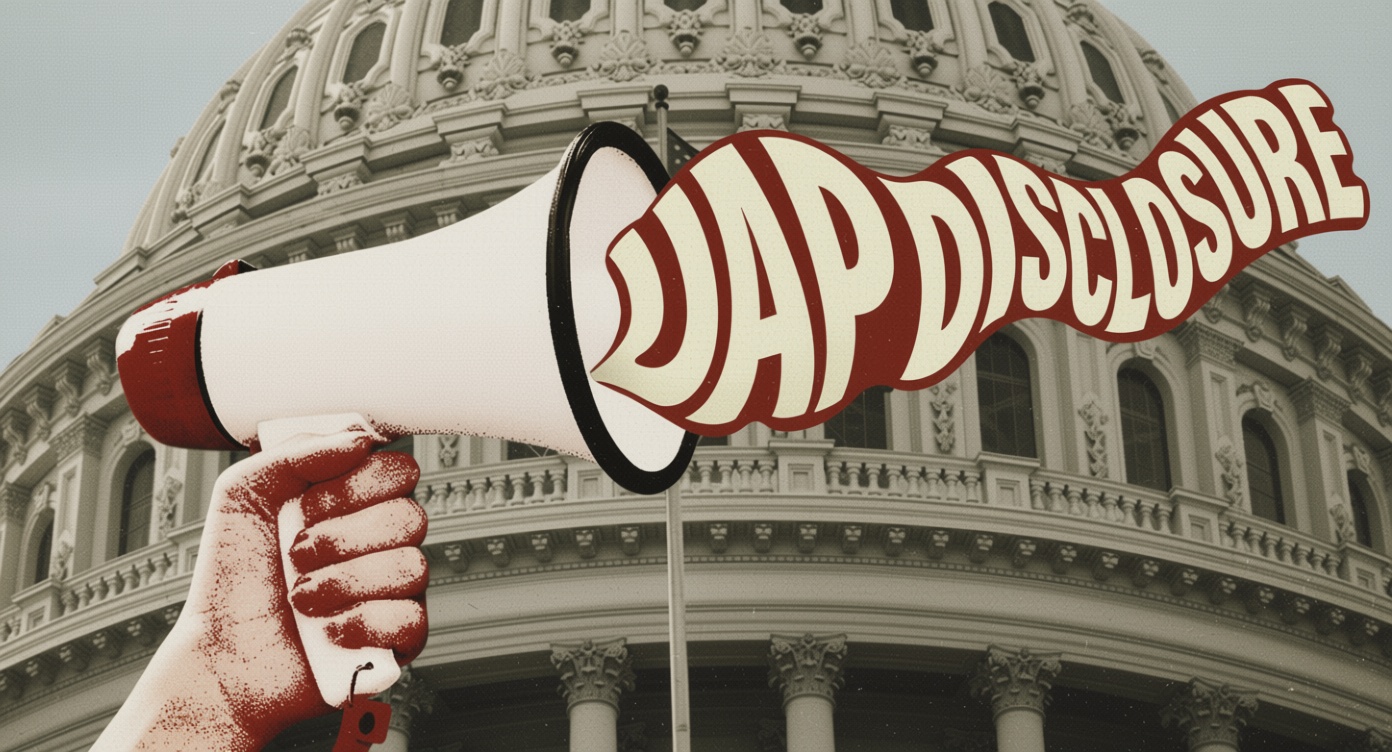
The latest wave of pressure for UFO (UAP) disclosure is gaining momentum in Washington, prompting former Pentagon officials and former military personnel to describe the effort as a direct challenge to what they call “the greatest cover‑up in U.S. history.” The push intensified after lawmakers, joined by whistleblower David Grusch, asked the White House to grant immunity to UAP whistleblowers and to release classified files concerning alleged encounters with non‑human intelligence. The request was made public during a Capitol gathering on Tuesday and was later discussed on the “Cuomo” show, where former Pentagon UFO program director Luis Elizondo echoed the sentiment that the public is finally “waking up” to governmental secrecy.
Key Players and Their Statements
Luis Elizondo, who once led the Pentagon’s Advanced Aerospace Threat Identification Program, highlighted his prior collaboration with Grusch at the U.S. Space Force, noting that Grusch “has testified before, for the record, about the existence of non‑human intelligence.” Elizondo added that the congressional initiative “adds more to the national conversation about disclosure” and suggested that the growing public awareness is eroding long‑standing denials.
David Grusch, the self‑identified whistleblower, emphasized that the government possesses foreign‑adversary intelligence related to recovered UAPs. He alleged that China and Russia may already be aware of U.S. crash‑retrieval and reverse‑engineering programs, a claim echoed by investigative journalist Ross Coulthart, who warned that “the Chinese or Russians probably know more than the American public and most of the military and intelligence community and the president than, frankly, should be the case.”
Congressional Initiative and Legal Hurdles
The congressional appeal centers on two primary demands: granting legal immunity to individuals who come forward with UAP information, and declassifying files that document encounters with alleged non‑human craft. Lawmakers argue that nondisclosure agreements (NDAs) signed by service members and contractors create a “legal barrier” that prevents transparency. Former Navy fighter pilot Ryan Graves told NewsNation’s Elizabeth Vargas that “the servants in the executive branch who signed nondisclosure agreements are being lawful and doing the right thing to protect vital information,” but he stressed that the real battle lies in Congress’s ability to lift those NDAs. Retired Rear Admiral Tim Gallaudet echoed Graves, describing the effort to remove NDAs as “a tough hill to climb,” yet suggesting that a targeted lift for UAP‑related material could set a precedent for broader reforms.
Military Perspectives on Disclosure
Both Graves and Gallaudet, representing former Navy personnel, underscored the tension between national security and public right‑to‑know. Graves pointed specifically to the need for executive endorsement, noting that “that needs to come from the top,” referencing former President Trump’s prior stance on UAP investigations. Gallaudet warned that while lifting NDAs might unlock valuable data, it could also expose sensitive methods and sources, potentially compromising ongoing intelligence operations. Their comments illustrate the delicate balance the Department of Defense must strike as it navigates increased congressional scrutiny and growing media attention.
Implications and Outlook
If Congress succeeds in securing whistleblower immunity and declassifying selected UAP files, the move could reshape public perception of the U.S. government’s handling of anomalous aerial phenomena. Analysts caution that while increased transparency may bolster trust, it also risks revealing foreign‑adversary exploitation of recovered technology, a concern highlighted by Grusch and Coulthart. The next steps will likely involve hearings, potential legislation, and continued advocacy from both civilian investigators and former military officials. As the debate unfolds, the central question remains whether the United States will choose openness over secrecy—or attempt a compromise that satisfies both national security imperatives and the public’s demand for answers.