Overview
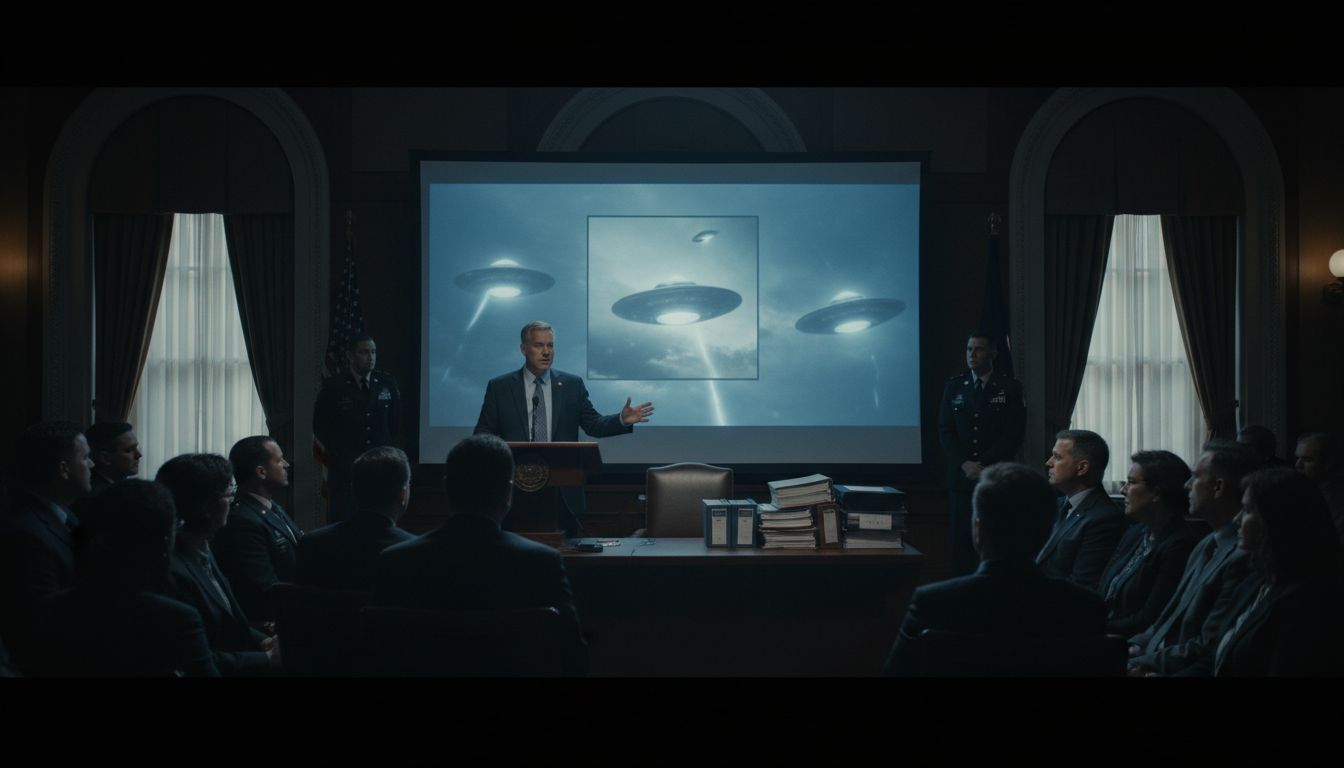
On April 10, Rep. Tim Burchett (R‑TN) disclosed information from a recent high‑level military‑intelligence briefing that addressed the United States’ ongoing investigations of unidentified anomalous phenomena (UAP). According to the congressman, the classified session included photographic evidence of “anomalous objects” that have been observed by multiple services. While several agencies have publicly downplayed or denied the existence of such data, Burchett’s remarks suggest that the evidence is being reviewed at the highest levels of the Department of Defense (DoD). The briefing, which took place behind closed doors, is part of a broader push by members of Congress to obtain greater transparency on the subject that has resurfaced since the Pentagon’s 2023 unclassified UAP report.
Briefing Details
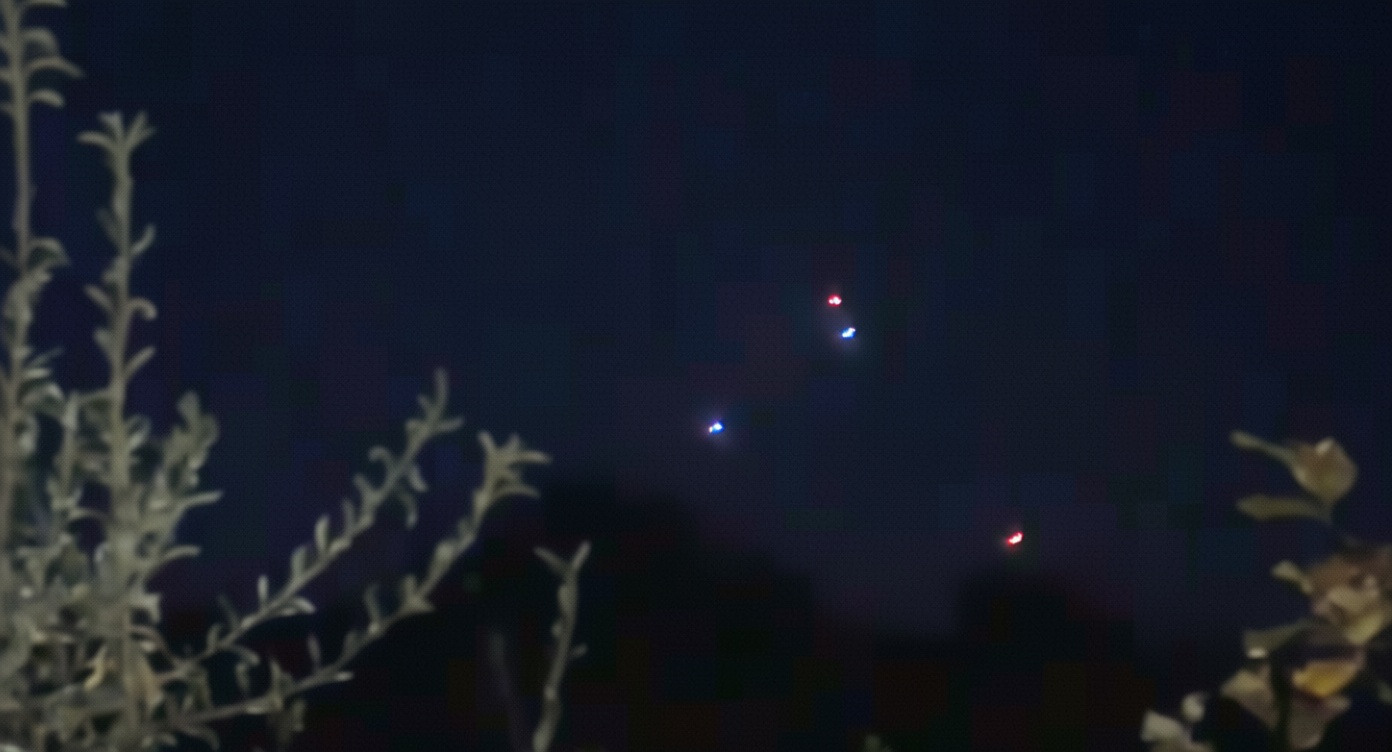
Burchett told reporters that the briefing featured “clear, high‑resolution images” captured by advanced radar and infrared sensors on naval and Air Force platforms. He said the pictures show objects performing maneuvers that exceed known aerodynamic capabilities, such as instantaneous acceleration and abrupt direction changes without visible propulsion. Although the congressman could not release the images for security reasons, he confirmed that the material “has been vetted by senior intelligence officials and is now on the record.” The briefing reportedly included input from the All‑Domain Anomaly Resolution Office (AARO), the successor to the former UAP Task Force, and senior officials from the Office of Naval Intelligence.
Funding and Psyop Claims
During the same session, Burchett raised concerns about the billions of dollars allocated to UAP research over the past decade. He asked whether the substantial funding could be part of a “psychological operations (psy‑op) program designed to secure future budgets.” While he did not present direct evidence of such a motive, the congressman highlighted that the DoD’s budget justifications often cite “national security” without detailing specific outcomes. “We owe it to taxpayers to know why we’re spending at this scale,” Burchett said, emphasizing the need for a transparent accounting of resources and results. His comments echo a growing chorus among lawmakers who have called for an audit of UAP‑related expenditures, citing the 2022 Senate Intelligence Committee’s request for a comprehensive report on the matter.
Push for Disclosure
Burchett also disclosed that he has raised the issue of public disclosure with former President Donald J. Trump, who, according to the congressman, expressed “interest in seeing the evidence” and “a willingness to accelerate the declassification process.” The representative argued that the public is “far more resilient than officials claim” and dismissed the notion that releasing the data would cause panic or destabilize national security. “The American people have a right to know what’s out there, especially when the government has been collecting data for years,” he asserted. Burchett’s stance aligns with recent bipartisan legislation, such as the 2023 UAP Transparency Act, which mandates the release of unclassified UAP information to Congress and the public within set timelines.
Reactions and Implications
The briefing’s revelations have drawn mixed reactions. Advocates for greater openness, including former intelligence officers and civilian UFO research groups, welcomed Burchett’s comments as a “step toward accountability.” Conversely, officials from the Office of the Secretary of Defense declined to comment, reiterating that “the DoD continues to evaluate UAP data in accordance with established protocols.” Analysts note that while the existence of anomalous sightings is no longer in dispute, the key questions now revolve around the nature of the phenomena, potential threats, and the appropriate level of public disclosure. As the AARO prepares its next quarterly report, Burchett’s push for transparency may pressure the Pentagon to move beyond classified briefings and provide concrete, verifiable data to both lawmakers and the American public.