Overview
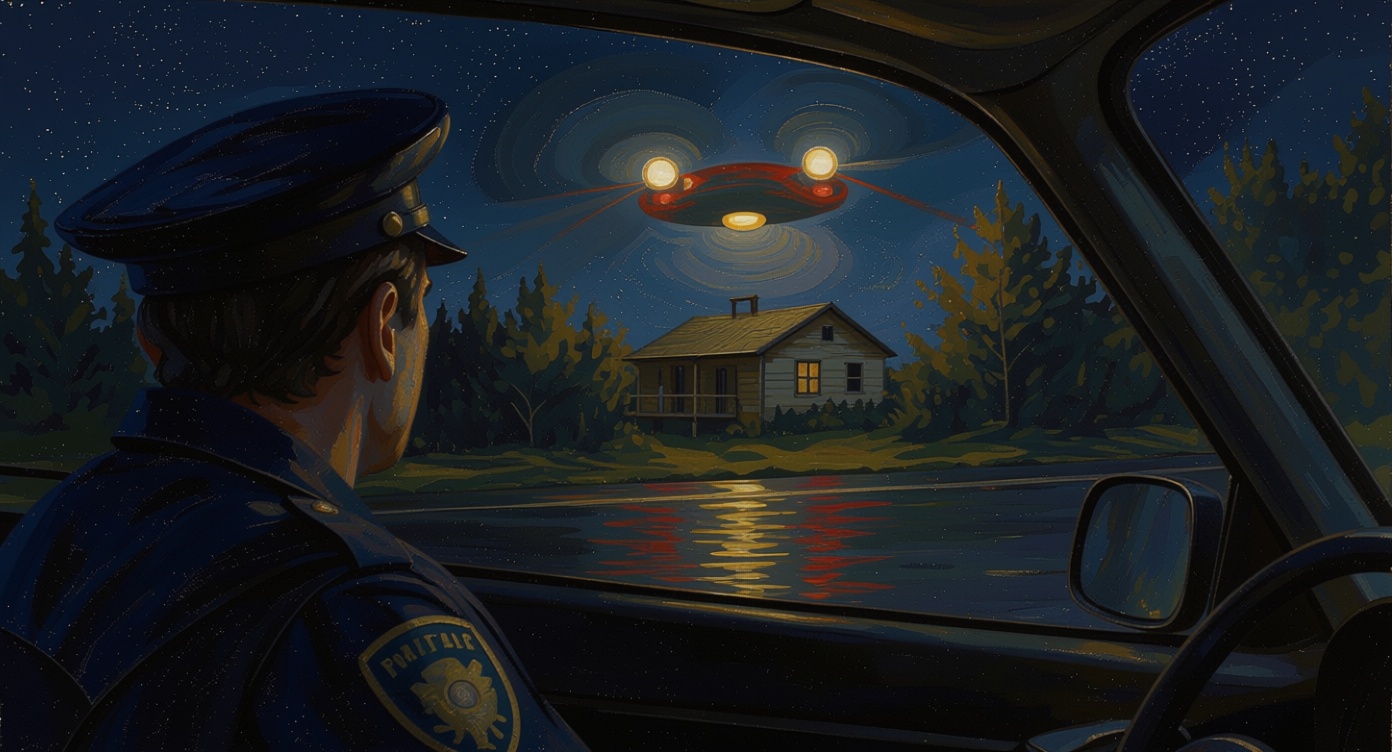
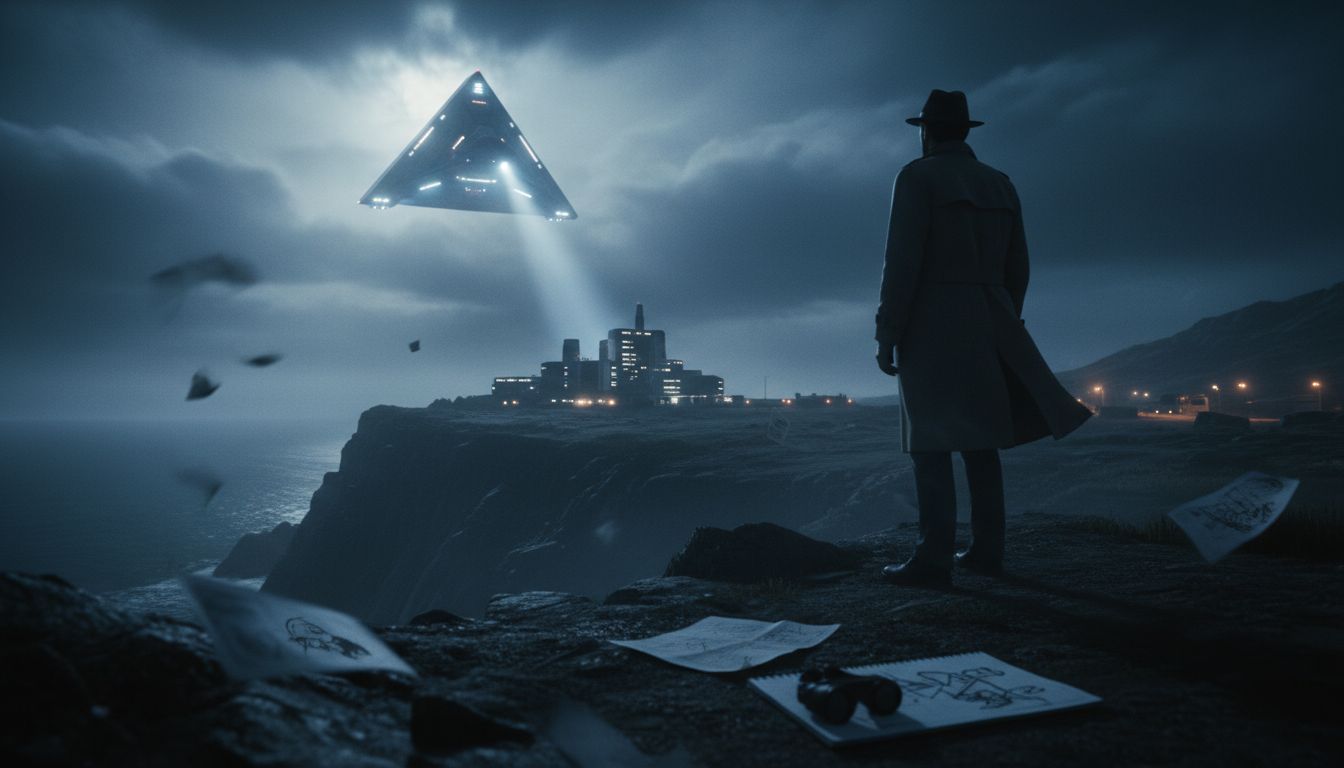
Eight years after The New York Times disclosed the Pentagon’s secret UAP videos and the existence of the Advanced Aerospace Threat Identification Program (AATIP), the once‑marginal field of ufology finds itself caught between mainstream attention and renewed fringe status. The 2017 revelations—authentic forward‑looking infrared footage from Navy jets and confirmation that a classified intelligence effort had been tracking “unidentified anomalous phenomena”—validated long‑held suspicions that the government had continued to study the subject in secrecy. Since then, congressional hearings, new research contracts, and a surge of public interest have reshaped the discourse, yet internal infighting and partisan politics now threaten to push the field back toward the periphery.
How Ufology Went Mainstream
The NYT story broke two myths that had long defined the UFO community. First, the Department of Defense’s admission that the released videos were genuine undermined the official narrative that the government no longer cared about UAP after the 1969 termination of Project Blue Book. Second, the revelation of AATIP—later linked to the Defense Intelligence Agency’s Advanced Aerospace Weapon System Applications Program (AAWSAP)—showed that a modest budget (approximately $22 million over five years) had been allocated to investigate unexplained aerial incidents. “It was the first time the government admitted to a covert program that many of us thought was purely speculative,” said former Navy pilot and UAP researcher Ryan Graves. The combination of visual evidence and a documented program gave credence to claims that had previously been dismissed as conspiracy theory, prompting lawmakers to request briefings and prompting the establishment of the Unidentified Aerial Phenomena Task Force in 2020.
Current Landscape
Today, ufology is a heterogeneous ecosystem of government agencies, academic researchers, private investigators, and hobbyist groups. The 2022 congressional hearing on UAPs, chaired by Senator Marco Rubio, featured testimony from former intelligence officials and scientists who called for “a systematic, scientific approach” to data collection. Simultaneously, private firms such as To The Stars Academy have released analyses of sensor data, while universities like the University of Texas at Dallas have begun offering courses on anomalous aerial phenomena. However, the field is far from unified. Some researchers focus on rigorous sensor‑fusion methods, whereas others continue to promote speculative ideas—most notably the “cryptoterrestrial” hypothesis, which posits that the observed craft are indigenous, stealth technologies concealed from public view. The hypothesis, advanced by a small cadre of investigators, has drawn criticism for lacking peer‑reviewed evidence, highlighting the tension between scientific rigor and sensational speculation.
Internal Divisions and Speculative Theories
The surge of legitimacy has also amplified existing fault lines. Veteran ufologists who built careers on “close‑contact” narratives clash with newer, data‑driven analysts who demand reproducible measurements. This schism manifested in a public dispute on the “UFO Evidence Forum” last month, where Dr. Jacques Vallee warned that “the field is at risk of being co‑opted by partisan agendas if we cannot agree on standards of proof.” Adding to the complexity, a handful of commentators have revived fringe concepts such as “cryptoterrestrials” and “interdimensional portals,” arguing that the lack of a definitive extraterrestrial explanation leaves room for alternative models. While these ideas attract media clicks, they also provide ammunition for skeptics who argue the field is slipping back into the “conspiracy‑theory” zone.
Outlook and Risks
Looking ahead, the trajectory of ufology will likely hinge on political will and institutional support. A potential hearing under a future Trump administration—rumored to focus on “national security implications of UAP” and to revive classified funding—could either cement the subject’s place in defense research or, if handled as a partisan stunt, reinforce the perception that UFO study is a political gimmick. Experts caution that partisanship could erode the credibility gains made since 2017. “If Congress treats UAP as a partisan football, we risk losing the bipartisan momentum that allowed the Pentagon to declassify data in the first place,” noted former Pentagon analyst Lisa McIntyre. Maintaining a transparent, science‑first approach, securing stable funding, and fostering dialogue across the community are essential to prevent ufology from sliding back into the fringe from which it has only recently emerged.