A retired South Wales police helicopter pilot has spoken publicly for the first time about a UFO encounter that took place in June 2008, an incident that remains one of the most intriguing cases in the region's history. The pilot, Martin, who amassed over 8,800 hours of flight experience across military, police, and air ambulance roles, recounted the experience in an exclusive interview with Network UFO. Until now, Martin and his fellow crew members had refrained from discussing the encounter beyond their official reports and limited media coverage at the time.
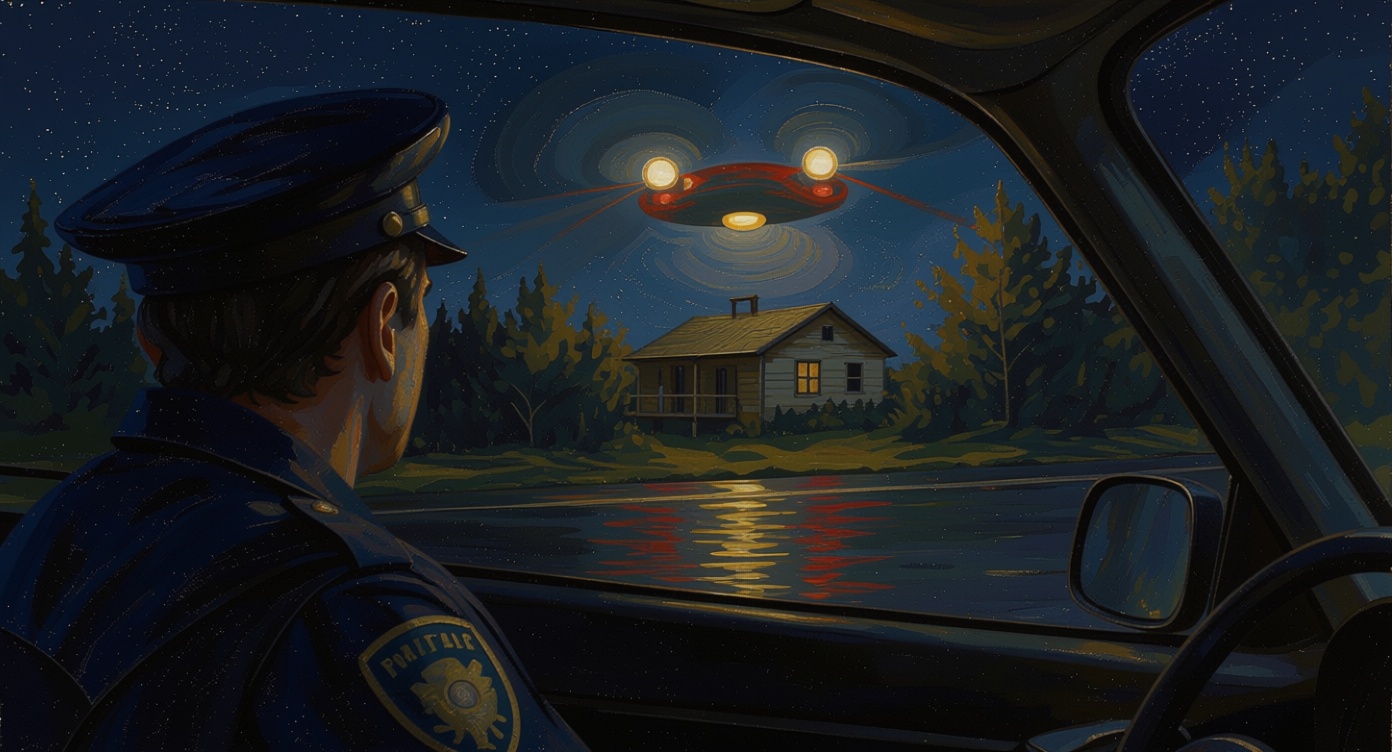
The sighting occurred at night as Martin and two experienced police officers were returning to their base at St. Athan following a police tasking operation. On approach to the helipad, the crew noticed two unusual lights in the sky, positioned at about the 11 o'clock angle relative to their helicopter. "There appeared to be two lights in what appeared to be a translucent egg," Martin recalled, emphasizing the bizarre and memorable nature of the event. The lights were distinctly visible and did not match any conventional aircraft or known aerial phenomena, especially considering the extensive aviation backgrounds of all three crew members.
Adding to the credibility of the sighting, both police observers—one operating the helicopter's advanced optical camera system and the other managing communications and scene coordination—witnessed the phenomenon. The sighting was officially reported and subsequently covered by the press, including a notable article in The Sun newspaper. However, public explanations at the time often leaned toward mundane causes, with Chinese lanterns cited as a likely culprit. Martin, however, expressed skepticism about this explanation, noting the chaos such lanterns caused for police helicopters during their period of popularity, but distinguishing this event from typical lantern sightings.
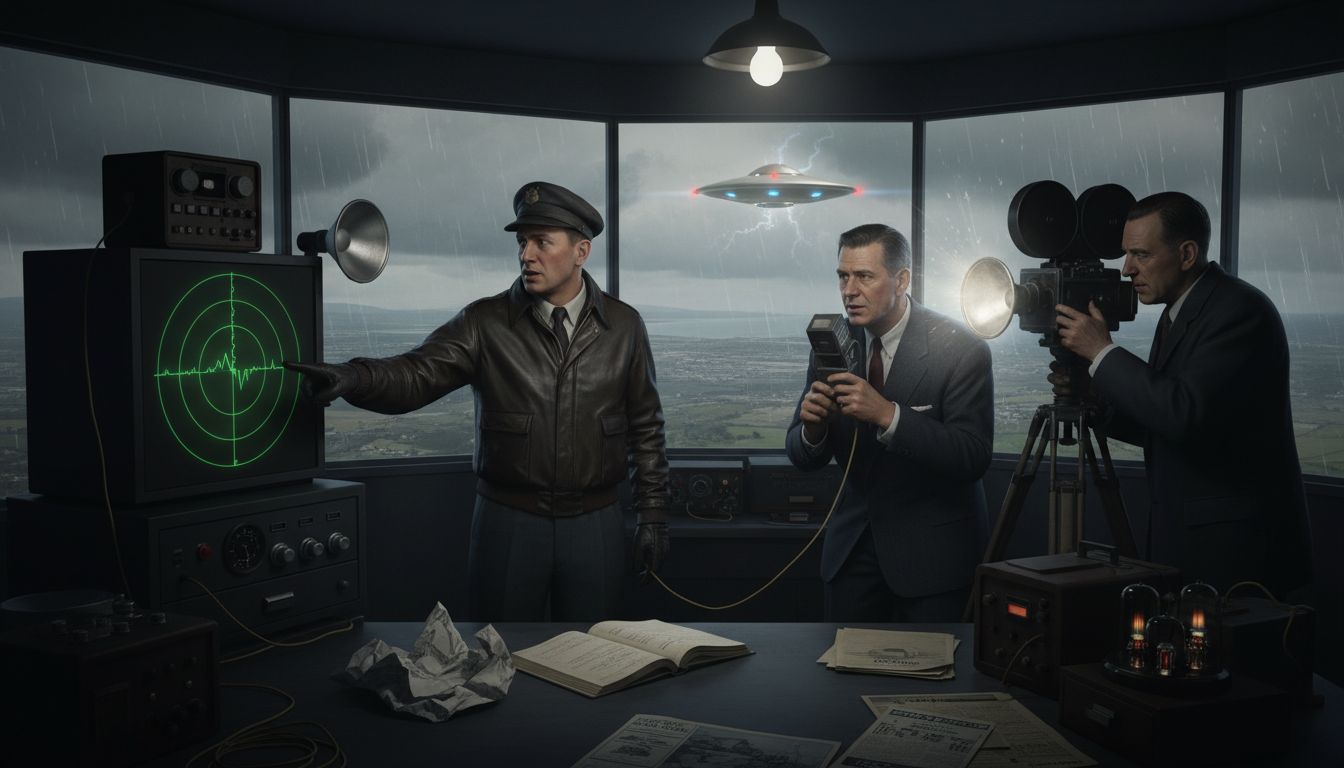
Radar confirmation reportedly added a further layer of validation to the encounter, as the object was tracked across multiple cities. The case was later leaked by air traffic control, contributing to a growing archive of UK UAP (Unidentified Aerial Phenomena) cases with multiple witnesses and corroborative data. "It's one of the most intriguing cases we've got on record in South Wales," Martin reflected, acknowledging that despite decades of varied flying experiences, this incident remains uniquely vivid in his memory.
The 2008 South Wales sighting stands out in the annals of British UAP investigations not only for its multi-witness nature and the professionalism of the observers but also for its intersection with both radar data and public scrutiny. While many incidents from the era were ultimately attributed to Chinese lanterns, the details provided by Martin and his crew suggest that this particular event defied easy explanation. The case continues to be referenced in discussions about the reliability of trained observers and the challenges of distinguishing genuine anomalies from common aerial clutter.
As interest in historical UAP cases grows, testimonies like Martin's offer valuable insights into the ways such incidents are experienced, reported, and remembered by those with extensive expertise in aviation. The South Wales case, with its combination of direct observation, technical corroboration, and media attention, remains a significant point of reference in the ongoing examination of unexplained aerial phenomena in the UK.