Overview
In a new Vanity Fair feature published on June 8, 2026, journalist [author name] revisits the Heaven’s Gate cult, one of the most infamous modern religious movements in the United States. Founded in the early 1970s by Marshall Applewhite and Bonnie Lemmon, the group promised its followers “ascension” to a higher plane of existence aboard an extraterrestrial spacecraft. The cult’s doctrine culminated in a coordinated mass suicide on March 26, 1997, when 39 members took their own lives in a rented mansion in Rancho Santa Fe, California, convinced that their bodies would be shed like “sleeves” as they boarded a UFO trailing the comet Hale Bopp.
Belief System and Leadership
Applewhite, who adopted the name “Do” and later “Ti,” presented himself as a messianic figure tasked with guiding humanity toward a “next level.” Central to his teachings was the conviction that Earth was a “prison planet” and that human souls could only be liberated through a physical departure aboard a spacecraft that would appear near the comet. Applewhite’s charismatic lectures, often delivered via videotapes and a modest website, blended New Age spirituality, Christian apocalypticism, and a fascination with space exploration. He repeatedly told adherents that “the only way to achieve the Kingdom of Heaven is to become a star,” a phrase that would later echo in the cult’s final act.
Control Mechanisms and the Sex Ban
To maintain what Applewhite described as “spiritual purity,” the group imposed an extensive set of prohibitions, the most notable being a strict ban on sexual activity. Members were required to renounce all intimate relationships, including marital bonds, and to practice celibacy as a prerequisite for the forthcoming ascension. The ban was framed as a means to conserve “energetic resources” and to avoid the “distractions” of the physical world. Applewhite also enforced a communal lifestyle: members lived together in a series of rented homes, surrendered personal finances to the group, and adhered to a regimented schedule of study sessions, meditation, and group meals. Former members have described the environment as “a high‑functioning echo chamber” where dissent was swiftly silenced and any deviation from doctrine was met with isolation or expulsion.
The 1997 Mass Suicide
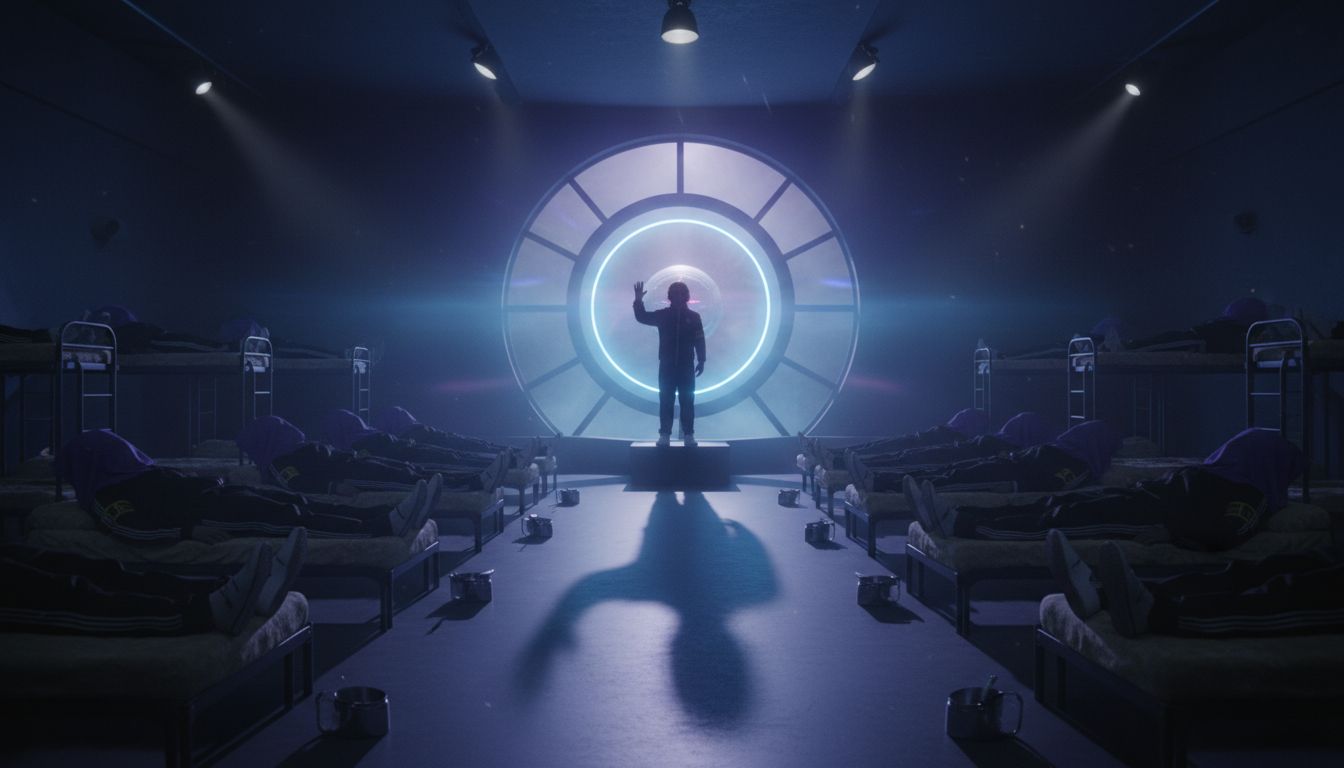
On the night of March 26, 1997, Applewhite instructed his followers to wear identical black shirts, black Nike shoes, and wrist‑band name tags, then to ingest a lethal mixture of phenobarbital and vodka before lying down in a “sleeping position” on the mansion’s living room floor. The bodies were discovered the following morning by a maintenance worker who noticed a foul odor. A police investigation later confirmed that all 39 victims, including Applewhite himself, had died of the same drug overdose. The group left behind a 14‑page farewell video, posted online, in which Applewhite explained that they were “leaving our bodies behind” and that “the next level is waiting.” The tragedy shocked the nation and reignited debates about the line between religious freedom and dangerous cultic practices.
Aftermath and Cultural Impact
In the decades since the suicide, Heaven’s Gate has become a reference point in discussions of cult psychology, internet‑mediated recruitment, and the intersection of spirituality with science fiction. Scholars such as Dr. Janja Lalich have cited the group as a case study in “thought‑terminating clichés” and the power of charismatic authority. The incident also spurred legislative scrutiny of “high‑control” groups, prompting some states to consider stricter oversight of organizations that demand total financial and personal surrender. Popular culture continues to reference the cult, from documentaries and podcasts to fictional portrayals that explore the allure of extraterrestrial salvation. As the Vanity Fair article underscores, the Heaven’s Gate tragedy serves as a stark reminder that the promise of transcendence can be weaponized, and that vigilance remains essential in safeguarding vulnerable individuals from manipulative movements.