Overview
The discussion surrounding unidentified aerial phenomena (UAP) has re‑emerged in mainstream media after the release of a detailed piece by the online outlet Alienated Media on August 17, 2025. The article, titled “The Biggest UFO Sightings Cover‑Ups Exposed,” revisits several well‑known incidents—from Kenneth Arnold’s 1947 sighting to the 1997 Phoenix Lights—and argues that successive government actions have concealed the true nature of these events. While the piece assembles a chronology of high‑profile cases, it offers limited new documentary evidence, relying instead on historical narratives and anecdotal testimony that have long been part of the UFO discourse.
Historical Sightings
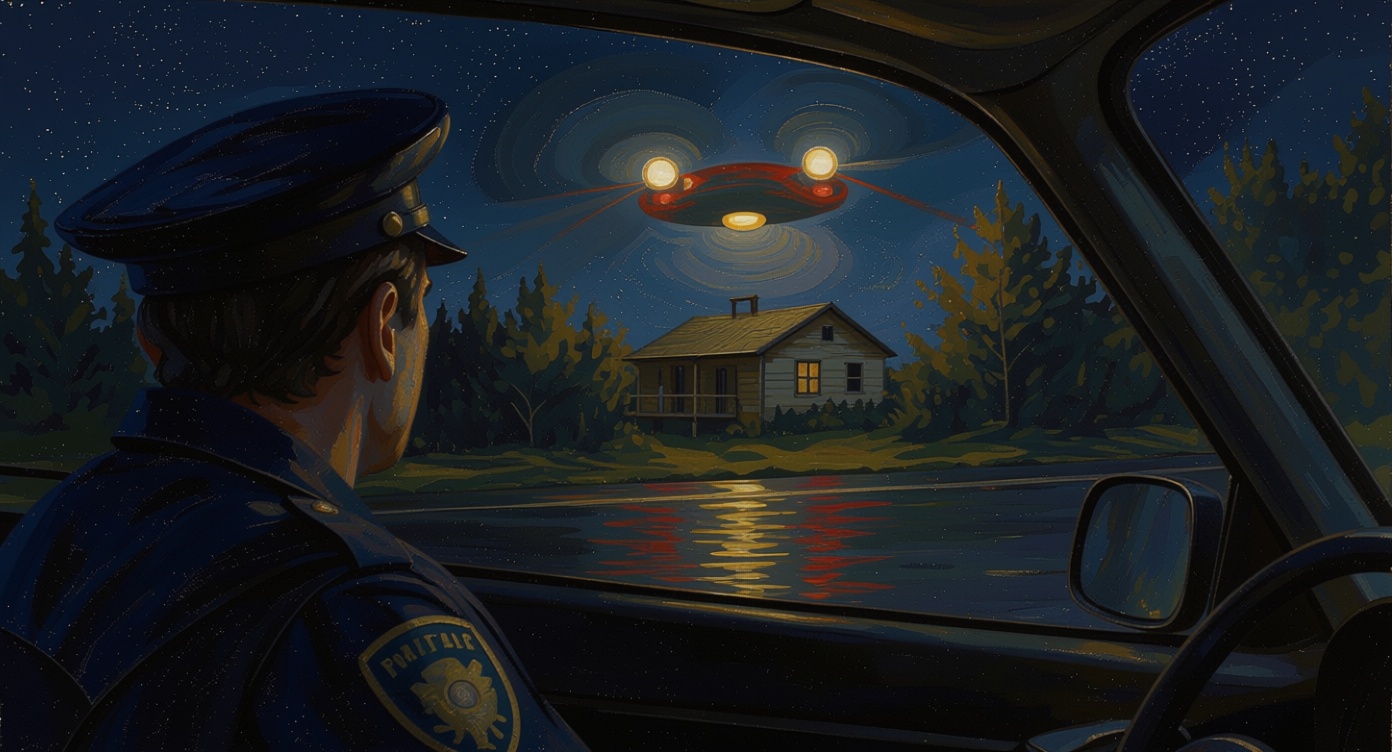
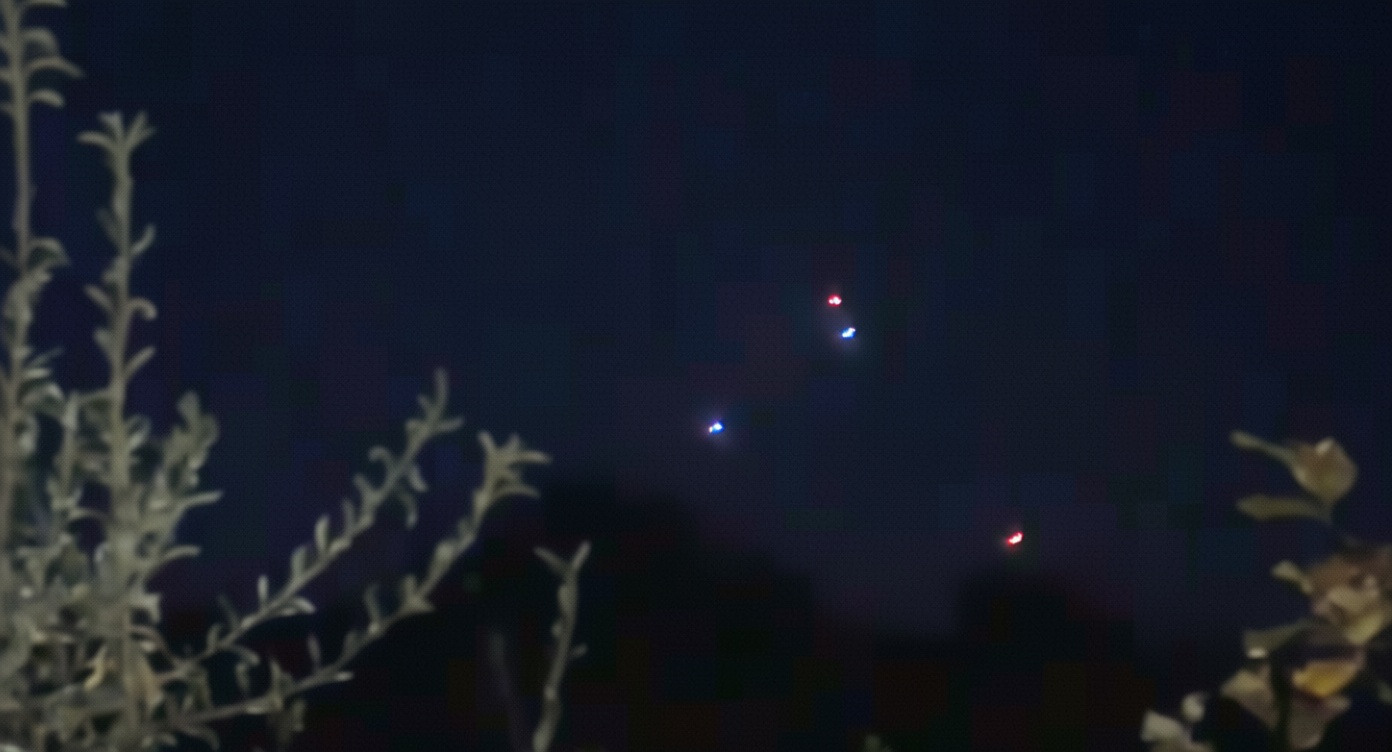
The modern UFO phenomenon is commonly traced to Kenneth Arnold’s 1947 sighting near Mount Rainier, Washington, where the pilot reported nine crescent‑shaped objects moving at “very high speed.” That same year the Roswell incident in New Mexico entered public consciousness after the U.S. Army Air Forces first announced the recovery of a “flying disc” and later retracted the statement, attributing the debris to a weather balloon. Subsequent cases highlighted in the article include the Hill abduction (1961, New Hampshire) and the Pascagoula incident (1973, Mississippi), both of which introduced the concept of alien kidnapping into the cultural lexicon. The Phoenix Lights of 1997, observed by thousands across Arizona, remain one of the most documented mass sightings, though the Department of Defense later described the V‑shaped formation as flares released from a training exercise. These events, compiled in a table by the source, illustrate a pattern of initial public reporting followed by official explanations that many observers found unsatisfying.
Government Secrecy Claims
Alienated Media’s central thesis is that successive administrations have engaged in systematic cover‑ups to hide the reality of UAP encounters. The article points to the 1947 Roswell retraction and the delayed declassification of Project Blue Book documents as early examples of “government denial.” It also references the more recent establishment of the U.S. Office of the Director of National Intelligence’s UAP Task Force, noting that while the task force released a preliminary report in June 2021, the full set of raw data remains classified. Critics cited in the piece argue that the lack of transparency fuels speculation, whereas officials maintain that many sightings can be explained by conventional aircraft, atmospheric phenomena, or classified defense technologies. No concrete proof of extraterrestrial technology is presented, and the article does not cite any newly released classified files that would substantiate the alleged concealment.
Eyewitness Accounts
The piece highlights several “credible” eyewitness testimonies, including a 2015 report from a commercial pilot who claimed to have observed a silent, low‑altitude object maneuvering beyond known performance limits. Another account features a group of Navy sailors who, in 2019, recorded infrared footage of an object exhibiting “unusual acceleration”—footage that was later examined by the Pentagon’s Advanced Aerospace Threat Identification Program. While these narratives add human interest, independent verification remains limited. Researchers at the National UFO Reporting Center have catalogued thousands of similar reports, but the majority lack corroborating radar data or physical evidence, a fact the article acknowledges only in passing.
Impact on Public Perception
The persistence of these stories has shaped public opinion on UAPs. A Pew Research Center poll conducted in early 2025 found that 57 % of Americans believe the government is withholding information about UFOs, up from 45 % in 2020. The article suggests that the “cover‑up narrative” reinforces a distrust of official institutions, a sentiment echoed by sociologists who link it to broader concerns about governmental transparency. Conversely, some scientists caution that sensationalist coverage can distract from legitimate aerospace research and impede rigorous investigation. The balance between curiosity and critical inquiry remains a contentious point in the ongoing dialogue.
Conclusion
While the Alienated Media article assembles an extensive timeline of high‑profile UFO sightings and raises questions about governmental disclosure, it stops short of providing verifiable new evidence. The historical cases it cites are well‑documented, and the recent governmental initiatives—such as the UAP Task Force—demonstrate a growing, albeit cautious, willingness to study anomalous aerial observations. As the public continues to demand answers, the challenge for journalists and policymakers alike is to separate substantiated facts from speculation, ensuring that the conversation remains grounded in evidence rather than conjecture.