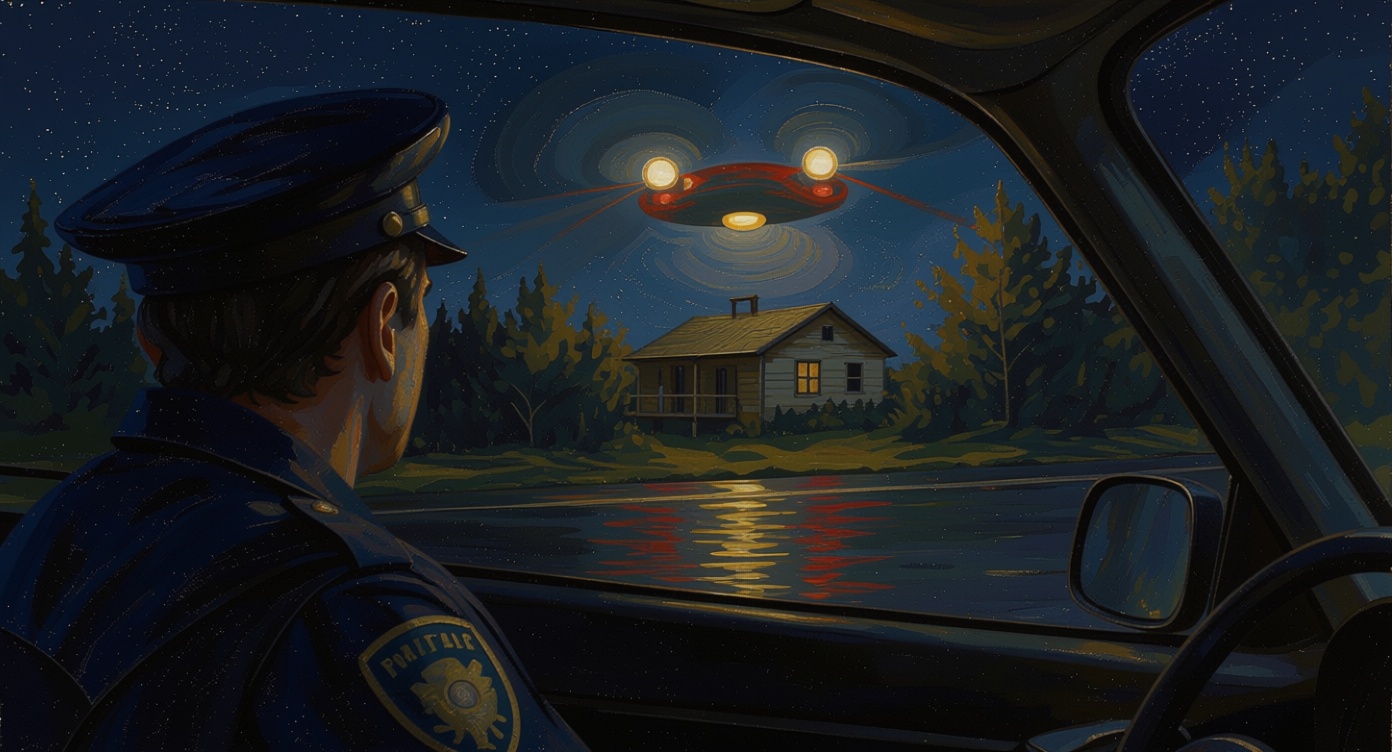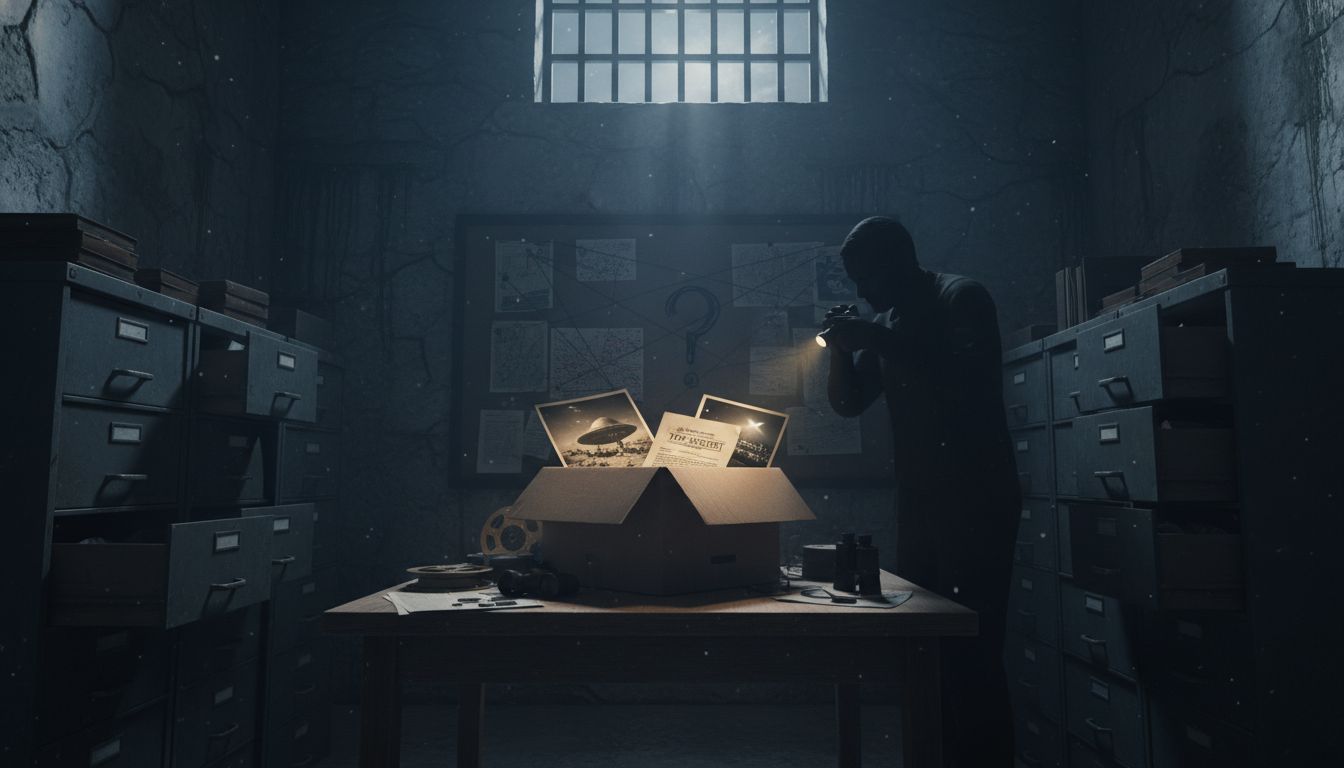
The modern UFO discourse can be traced to a handful of high‑profile sightings that have repeatedly resurfaced in declassified records and public testimony. In June 1947, private pilot Kenneth Arnold described nine crescent‑shaped objects moving at extraordinary speed near Mount Rainier, a report that introduced the “flying saucer” lexicon to the American press. Later that year, the Roswell Army Air Field announced the recovery of a “flying disc,” only to retract the claim and attribute the debris to a weather balloon. The contradictory statements, now documented in files released by the National Archives in 2024, sparked enduring speculation about a systematic effort to conceal anomalous aerial phenomena.
Subsequent incidents have reinforced the pattern of initial official denial followed by limited acknowledgment. The 1961 Hill abduction case, in which Betty and Barney Hill recounted a night‑time encounter and alleged medical examination, became the first widely publicized alien‑abduction narrative and was later referenced in a 2022 Air Force memorandum that admitted “unidentified aerial observations” required further study. Similarly, the 1973 Pascagoula incident—two Mississippi men claiming to have been seized by a metallic craft—was cited in a 2023 congressional hearing as an example of credible civilian testimony that had not been fully investigated. These accounts, preserved in the UAP Task Force’s public docket, illustrate how individual reports can persist despite limited official corroboration.
The most visible mass sighting in recent decades occurred on March 13, 1997, when thousands across Arizona observed a silent, V‑shaped formation of lights later dubbed the “Phoenix Lights.” While the Department of Defense attributed the phenomenon to flares dropped during a training exercise, eyewitnesses—including a retired Air Force pilot who described the craft’s size as comparable to a football field—have contested that explanation. In a 2025 interview with the New Mexico Institute for Advanced Studies, the pilot said, “The maneuverability and silence we witnessed do not match any known aircraft or training device.” The episode remains a touchstone for debates over the adequacy of governmental explanations.
Recent developments have added new layers to the discussion. In December 2024, the Office of the Director of National Intelligence released a partially redacted report acknowledging 144 sightings of “unidentified aerial phenomena” that could not be readily explained by existing sensor data. The document, part of a broader push for transparency, referenced “historical cases such as Roswell and the Phoenix Lights” as influencing public perception and underscoring the need for systematic data collection. Advocates for full disclosure argue that these acknowledgments, combined with the growing body of civilian video evidence, compel a more rigorous scientific approach rather than continued secrecy.
The cumulative effect of these historical and contemporary episodes is a public skeptical of official narratives and a scientific community urging methodological rigor. Scholars at the University of Colorado’s Center for Aerospace Studies have called for an independent, peer‑reviewed repository of UFO data, noting that “the fragmented nature of current records hampers objective analysis.” As policymakers weigh the balance between national security and public right‑to‑know, the legacy of past cover‑ups continues to shape the discourse, reminding both officials and citizens that transparency remains essential to resolving one of the most persistent mysteries of the modern age.