Overview
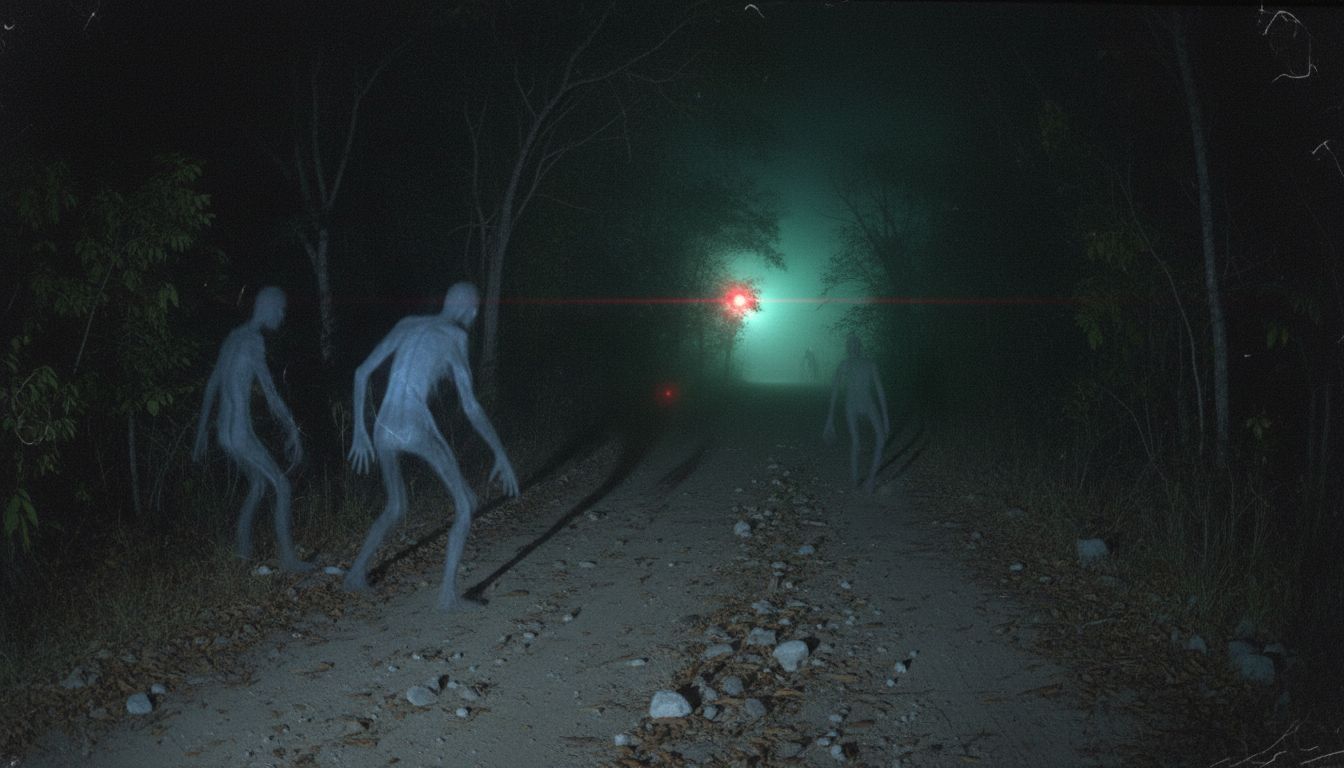
A security‑camera clip recorded on the highway leading to Sabanagrande, Francisco Morazán, has sparked a wave of online debate after it was posted on social media on 15 April 2026. The five‑second video, captured in total darkness, shows indistinct shapes moving across the road and a series of unexplained noises. Within hours, the footage was shared on platforms such as X, Facebook and TikTok, generating thousands of comments that range from speculation about paranormal activity to calls for more rational explanations.
What the footage shows
The recording begins with a quiet, night‑time view of the rural roadway. After a few seconds, a low‑frequency hum can be heard, followed by a series of irregular clicks. Simultaneously, faint silhouettes—described by viewers as “shadow‑like figures”—appear to glide across the lane before disappearing as quickly as they emerged. The video’s lack of ambient lighting makes it difficult to identify whether the shapes are human, animal or mechanical. No vehicle headlights or street lamps are visible, and the camera’s infrared illumination provides only a grainy outline of the movement.
Reactions on social media
The clip quickly became a trending topic under hashtags such as #SabanagrandeMystery and #ParanormalHonduras. Users on X posted screenshots with captions like “¿Qué fue eso?” while others uploaded side‑by‑side comparisons with known wildlife footage. A popular Honduran paranormal researcher, María López, posted an analysis stating, “The erratic sound pattern and the way the silhouettes shift without a clear source are consistent with reports of anomalous visual phenomena often described in the region.” By contrast, Officer Carlos Méndez of the local traffic police issued a statement on the department’s Facebook page: “We have reviewed the video and, based on current evidence, cannot confirm any illegal activity or safety hazard. The area is routinely monitored, and we will continue to investigate any legitimate concerns.”
Expert perspectives
To provide a balanced view, we consulted two specialists. Dr. Elena García, a professor of forensic video analysis at the National University of Honduras, explained, “Infrared cameras can produce artefacts, especially when exposed to sudden temperature changes or small moving objects like insects. Without corroborating data—such as multiple camera angles or audio verification—it is premature to label the footage as paranormal.” Meanwhile, Luis Fernández, a sociologist who studies digital folklore, noted that “viral videos of alleged hauntings often gain traction because they tap into collective anxieties and the human tendency to seek patterns in ambiguous stimuli.” Fernández added that similar incidents have occurred in Central America, where rural roads with limited lighting become fertile ground for myth‑making.
Context and next steps
Incidents of unexplained footage are not new in Honduras; earlier this year, a separate clip from a highway near Tegucigalpa prompted a police inquiry that ultimately identified a stray dog as the source of the movement. Authorities in Sabanagrande have opened a routine review of the camera’s maintenance logs and are coordinating with the private security firm that installed the equipment. The firm’s spokesperson, Jorge Castillo, said, “We will provide the raw data and technical specifications to the police to help determine whether the anomalies are equipment‑related.” Until a definitive analysis is released, the video remains a point of contention—illustrating how modern surveillance technology can both illuminate and obscure everyday events, and how quickly such material can ignite public imagination.
The article reflects information available as of 17 April 2026 and incorporates statements from local officials, academic experts and social‑media observers.


