Overview
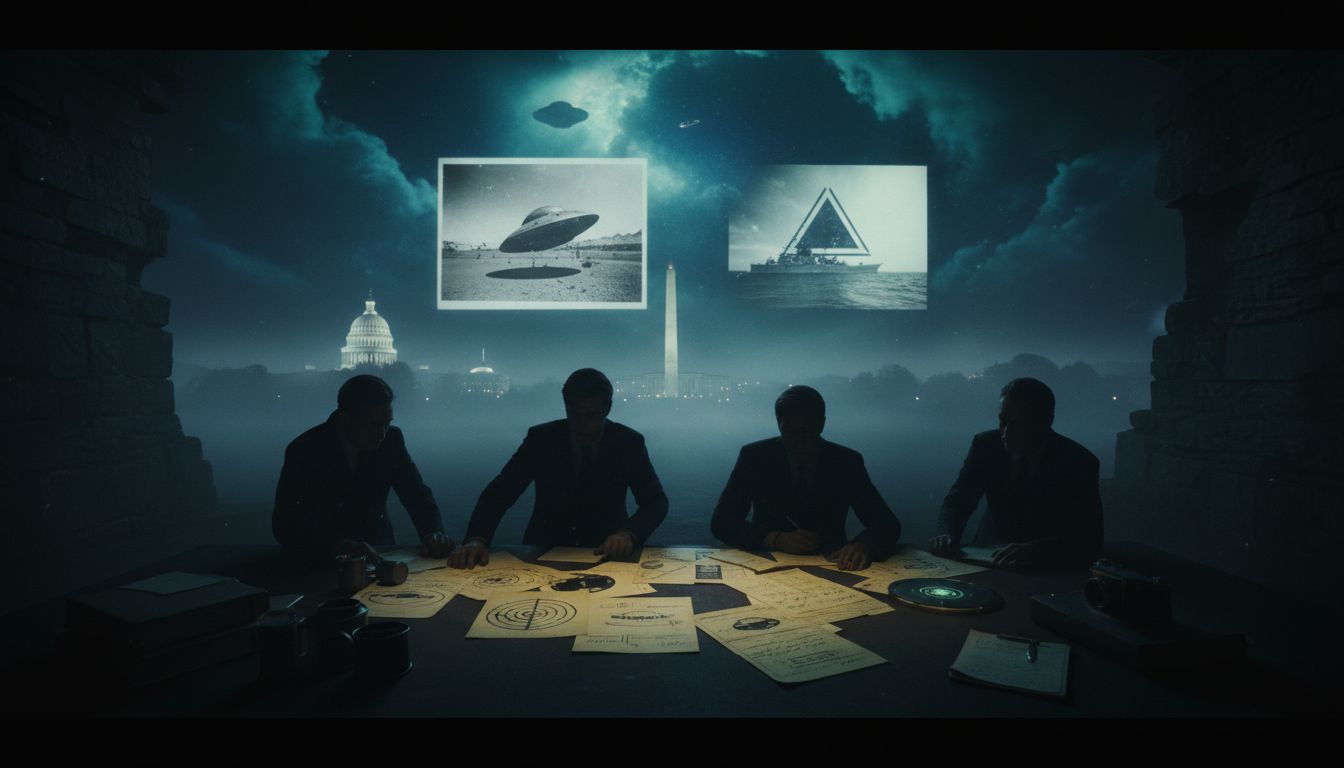
The Pentagon’s latest declassification of unidentified aerial phenomenon (UAP) records—spanning from the early 1940s to the present—has reignited public interest in America’s “UFO history.” Among the trove of files, a striking pattern emerged: Washington state appears repeatedly, prompting experts to declare that the Pacific Northwest has “cemented its place at the forefront of UFO history.” The newly released documents include civilian eyewitness accounts, military radar logs, and internal assessments, many of which originated from locations across Washington’s diverse landscape.
Key Details of the Release
The Department of Defense made the archive public on May 15, 2026, providing over 2,300 pages of redacted material. Highlights relevant to Washington include:
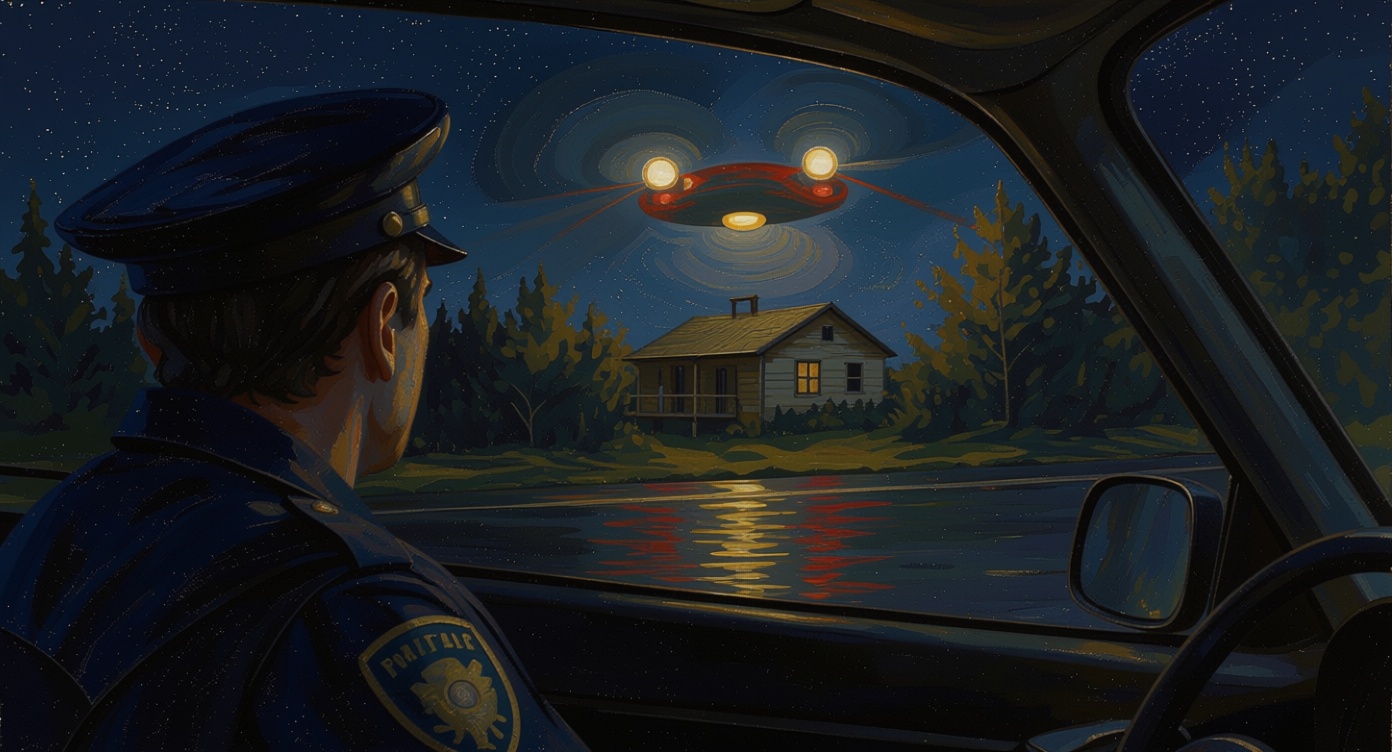
- Civilian sightings dating back to 1947 in the town of McMinnville, where multiple residents reported “silvery, disc‑shaped objects” hovering over farmland for several minutes.
- Military observations from Joint Base Lewis‑McChord in 1952, where radar operators recorded “unidentified contacts” that performed high‑speed maneuvers beyond known aircraft capabilities.
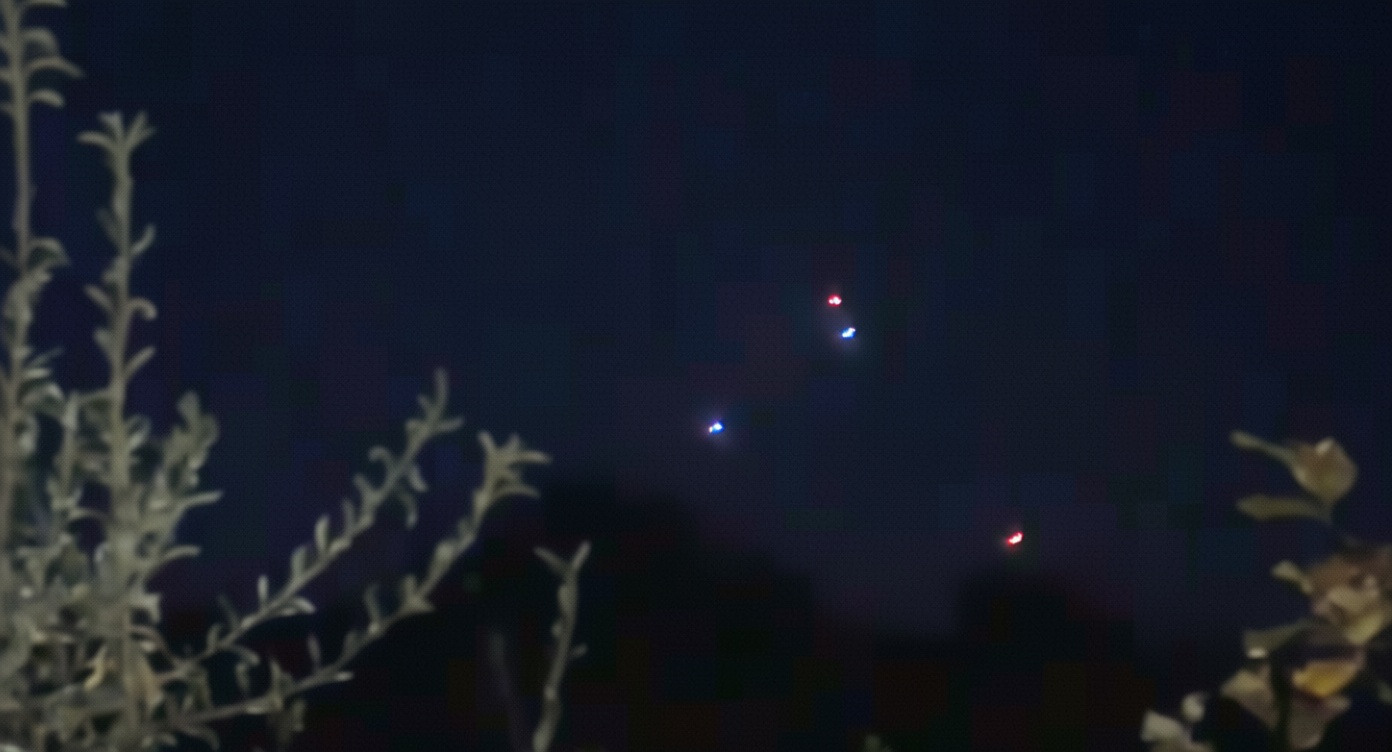
- Scientific analyses from the Pacific Northwest National Laboratory (PNNL) in 1998, which examined anomalous infrared signatures detected over the Cascade Range.
The documents also contain internal memos indicating that the UAP Task Force, established in 2020, prioritized the Pacific Northwest for further investigation due to the “high density of credible reports” and the presence of several defense installations.
Historical Context
Washington’s association with UFO phenomena predates the modern UAP task force. The state’s first widely publicized encounter occurred in 1947, the same year as the infamous Roswell incident, when a farmer near McMinnville captured a grainy photograph of a “flying saucer” that later appeared in national newspapers. Throughout the Cold War, the region’s proximity to Air Force bases and the Navy’s Puget Sound fleet generated a steady stream of sightings, many of which were logged in the now‑released “Project Blue Book – Pacific Northwest” files.
In the 1990s, the “Washington State UFO Project,” a civilian effort coordinated by local astronomers and the Seattle‑based Center for UFO Studies, compiled over 300 reports, many of which corroborated military radar data. The recent Pentagon disclosures validate many of those civilian observations, bridging a gap that has existed between official channels and public accounts for decades.
Expert Commentary
Dr. Linda K. Morales, a senior research scientist at the University of Washington’s Atmospheric Sciences department and a longtime consultant for the UAP Task Force, explained the significance of the findings:
“When we cross‑reference the declassified radar logs with civilian testimonies, the consistency is striking. Washington’s unique geography—coastal airspace, mountainous terrain, and a concentration of military assets—creates a perfect laboratory for observing anomalous aerial events.”
Morales added that the documents reveal “a shift in how the DoD evaluates UAPs, moving from a purely threat‑assessment model to one that also considers scientific inquiry.” She emphasized that while many of the sightings remain unexplained, the data set now offers researchers a robust foundation for systematic study.
Implications and Next Steps
The release has prompted both congressional committees and state legislators to call for a formal hearing on Washington’s role in UAP research. Senator Patty Murray (D‑WA) announced plans to introduce a resolution urging the Department of Defense to allocate additional resources to the Pacific Northwest for continued monitoring and analysis.
Meanwhile, the Washington State Department of Natural Resources has expressed interest in collaborating with PNNL to examine possible atmospheric or geophysical phenomena that could account for some of the infrared anomalies.
For the public, the documents provide a rare glimpse into a historically opaque subject, reinforcing the need for transparency. As Dr. Morales noted, “The goal is not sensationalism; it is rigorous, evidence‑based investigation.” The coming months will likely see a surge in scholarly papers, media coverage, and perhaps, new protocols for reporting and studying unidentified aerial phenomena across the state.
Looking Forward
With Washington now officially recognized as a central node in the United States’ UFO chronology, researchers anticipate a wave of interdisciplinary studies involving aerospace engineers, atmospheric scientists, and intelligence analysts. The convergence of civilian reports and military data may finally allow the scientific community to move beyond speculation and toward a clearer understanding of what—and where—these unexplained objects are. As the Pentagon’s archives continue to be examined, Washington’s sky could become the next frontier for unraveling one of the modern era’s most enduring mysteries.