Overview
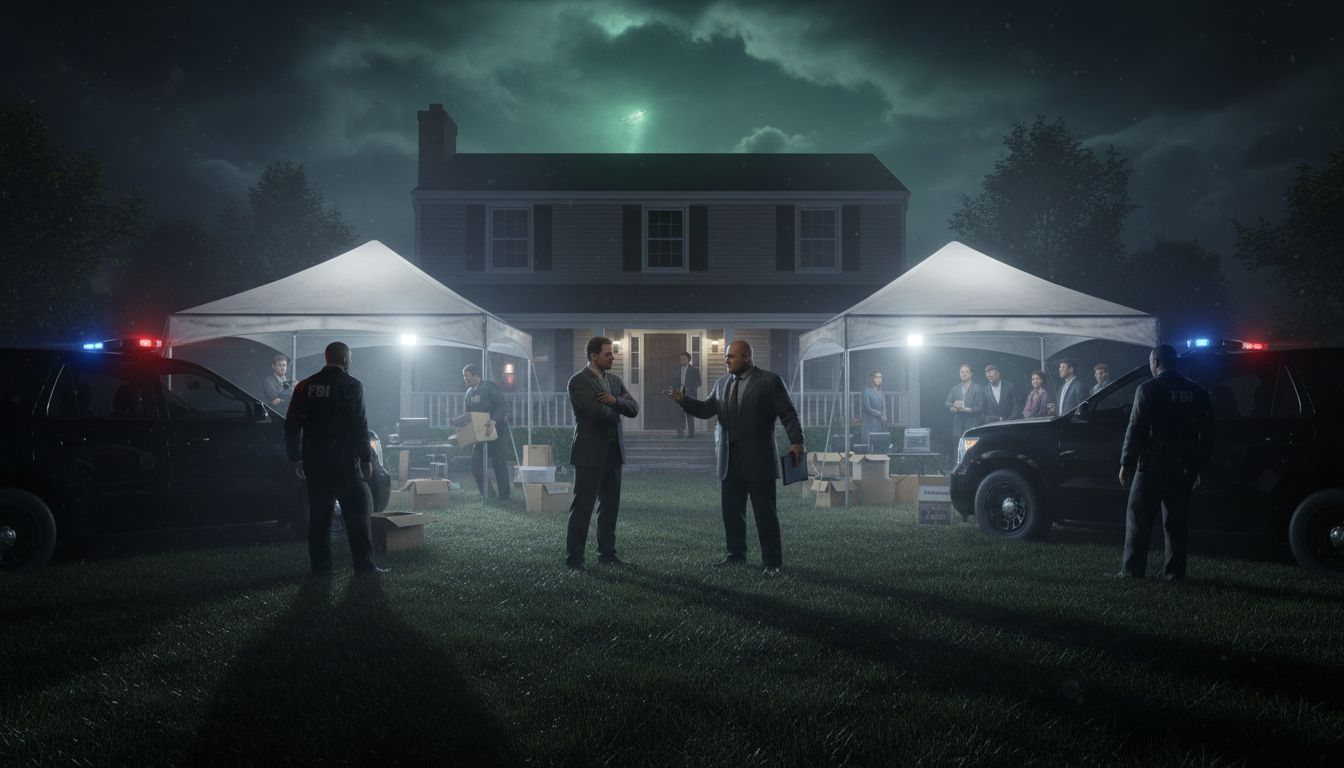
Federal investigators executed a search warrant at the residence of a Washington Post reporter on Thursday, part of a broader national‑security probe into a whistleblower who claimed to have inside knowledge of classified Unidentified Aerial Phenomena (UAP) programs. The raid, carried out by agents of the FBI’s Counter‑Intelligence Division, has ignited a fresh debate over the balance between legitimate security investigations and the constitutional protections afforded to journalists.
Background
The investigation stems from a series of anonymous disclosures made to the Post earlier this year, alleging that senior officials within the Department of Defense and the Office of the Director of National Intelligence have been running “high‑risk” UAP research projects that are shielded from congressional oversight. The whistleblower, who has not been identified publicly, provided the newspaper with documents describing classified sensor data, budget allocations, and inter‑agency coordination mechanisms. The Post has said it is “actively verifying the authenticity of the material” while emphasizing that the source’s identity remains confidential.
Details of the Search
According to a statement released by the FBI, agents obtained a warrant on “reasonable suspicion that the journalist may possess, or have facilitated the transmission of, classified information relating to national‑security matters.” The warrant authorized the seizure of electronic devices, hard drives, and any written material that could be linked to the alleged leak. The agency declined to disclose the exact timing of the operation, citing operational security, but confirmed that the search was concluded without incident.
A spokesperson for the Washington Post, speaking on condition of anonymity, said the newspaper “cooperated fully with law‑enforcement officials while also protecting the journalistic principle of source confidentiality.” The outlet declined to comment on the specifics of the seized material, noting that any legal challenges would be pursued through the courts.
Legal and Press‑Freedom Implications
The raid has prompted immediate responses from civil‑liberties groups. The Reporters Committee for Freedom of the Press issued a brief, warning that “searches of journalists’ homes set a dangerous precedent that could chill investigative reporting on matters of public interest, especially when the subject matter involves government secrecy.” The Committee’s legal director, Melissa McGowan, added that “the First Amendment does not give the government a free pass to bypass the protections that have long shielded reporters from compelled disclosure of sources.”
Congressional oversight committees have also taken note. Chairman James M. Lankford (R‑OK) announced plans to request a briefing from the Department of Justice on the scope of the investigation, emphasizing the need to “ensure that any national‑security inquiry does not infringe upon the free press.” Meanwhile, House Representative Zoe Larsen (D‑CA), a member of the House Intelligence Committee, called for a “transparent review” of the warrant’s justification, citing past instances where overly broad subpoenas were later deemed unconstitutional.
Context Within the UAP Disclosure Landscape
The incident arrives amid a growing public and legislative appetite for greater transparency on UAP phenomena. In late 2023, the Office of the Director of National Intelligence released an unclassified report acknowledging “multiple unidentified aerial objects that exhibit flight characteristics beyond known technology.” Subsequent hearings before the Senate Armed Services Committee have urged the intelligence community to declassify relevant data, though many officials argue that certain details remain “sensitive and could compromise national‑defense capabilities.”
The Post’s whistleblower story, if substantiated, could add a new layer to the ongoing conversation about whether the United States is concealing advanced aerospace research from both the public and elected officials. Legal analysts note that the government’s approach to handling leaks involving classified UAP information may set a precedent for future cases, potentially shaping how journalists navigate sources who claim to possess “top‑secret” material.
Bottom line: While federal authorities assert that the search was a lawful component of a national‑security investigation, the episode underscores a persistent tension between the state’s duty to protect classified information and the press’s role in uncovering government actions. As the case proceeds through the courts, it is likely to become a focal point for discussions on press freedom, whistleblower protections, and the public’s right to know about the United States’ UAP programs.