Overview
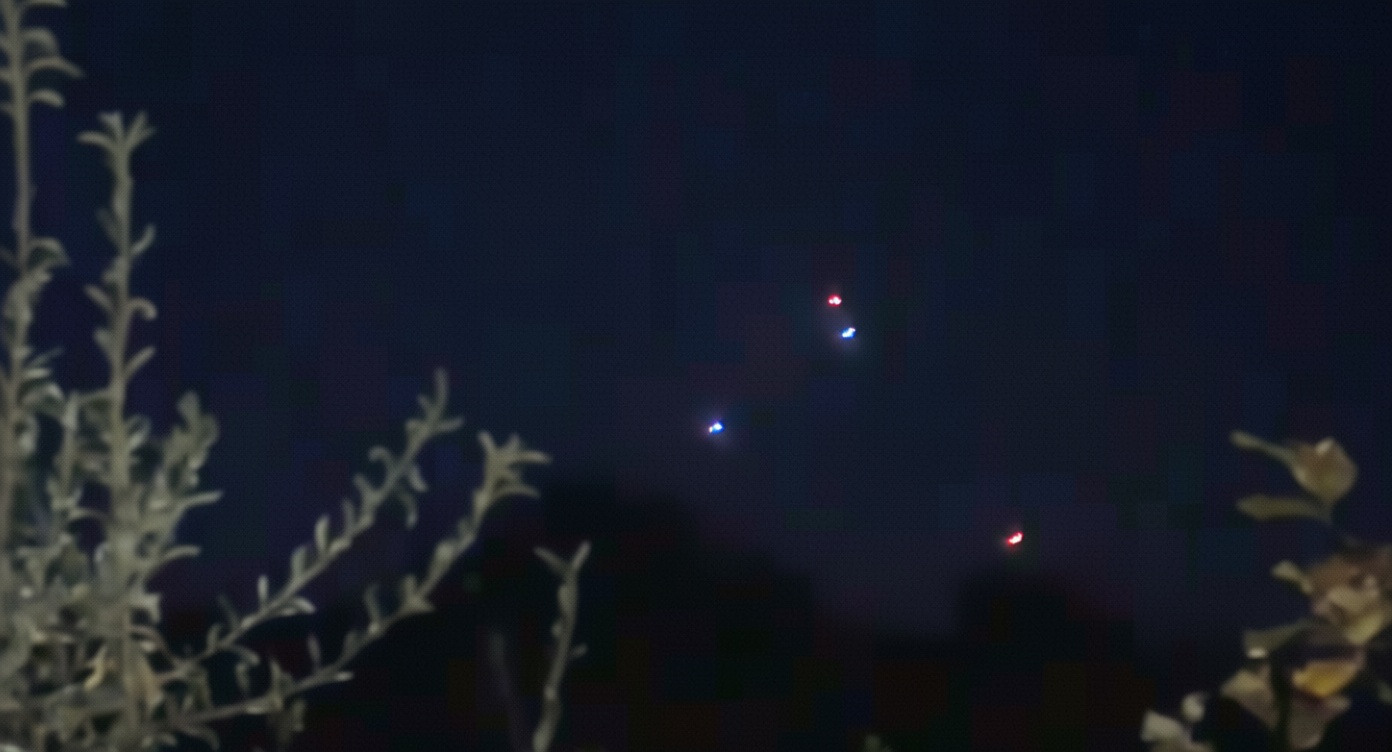
Astronomer Beatriz Villarroel and her research team have published new data that challenges the long‑standing claim that “there is no scientific evidence for UFOs.” Analyzing archival sky‑survey photographs taken before the launch of Sputnik in 1957, the team identified hundreds of thousands of brief, star‑like flashes—phenomena they call “transients.” Their results, detailed in two recent peer‑reviewed papers, suggest that a statistically significant subset of these flashes are solar reflections from non‑natural, flat surfaces orbiting Earth, and that the occurrences line up with historical UFO sightings and atmospheric nuclear tests.
Core Findings
The researchers focused on the distribution of flashes relative to the Earth’s shadow (the umbra). A pronounced deficit of events inside the umbra—measured at 7.6 σ—indicates that the flashes are not random imaging artifacts, dust, or atmospheric phenomena, which would appear uniformly across the sky. Instead, the pattern is consistent with mirror‑like objects reflecting sunlight only when they are illuminated, disappearing when they pass into the shadow. By cross‑referencing the timing and locations of these flashes with documented UFO reports from the 1940s‑1950s, the team found a statistically significant correlation. A secondary correlation emerged with the schedule of above‑ground nuclear detonations, which produced intense ionization layers that could affect orbital debris visibility.
Scientific Context
Historically, the scientific community has treated UFO research with caution, fearing professional stigma. “Engaging with unidentified aerial phenomena has been a career risk for decades,” Villarroel noted in an interview. Her work, however, leverages existing astronomical datasets rather than anecdotal testimony, positioning the study within mainstream methodology. The papers have undergone rigorous peer review and appear in Scientific Reports and Nature Scientific Data, journals that demand reproducibility and statistical robustness. Independent astronomers have begun replicating the analysis, with early feedback highlighting the novel use of pre‑satellite sky surveys as a valuable archival resource.
Reactions and Skepticism
The findings have sparked a mixed response. Proponents argue that the mirror‑like signature is hard to dismiss as a natural occurrence, while skeptics caution that alternative explanations—such as space debris with specular surfaces or unaccounted‑for optical effects—must be exhaustively ruled out. Dr. Liam Chen, a planetary scientist at the University of Colorado, remarked, “The statistical significance is impressive, but we need targeted observations to confirm the nature of these reflectors.” Meanwhile, a statement from the U.S. Office of the Director of National Intelligence reiterated that, despite increased transparency, “no conclusive evidence of extraterrestrial technology has been identified.”
Implications and Next Steps
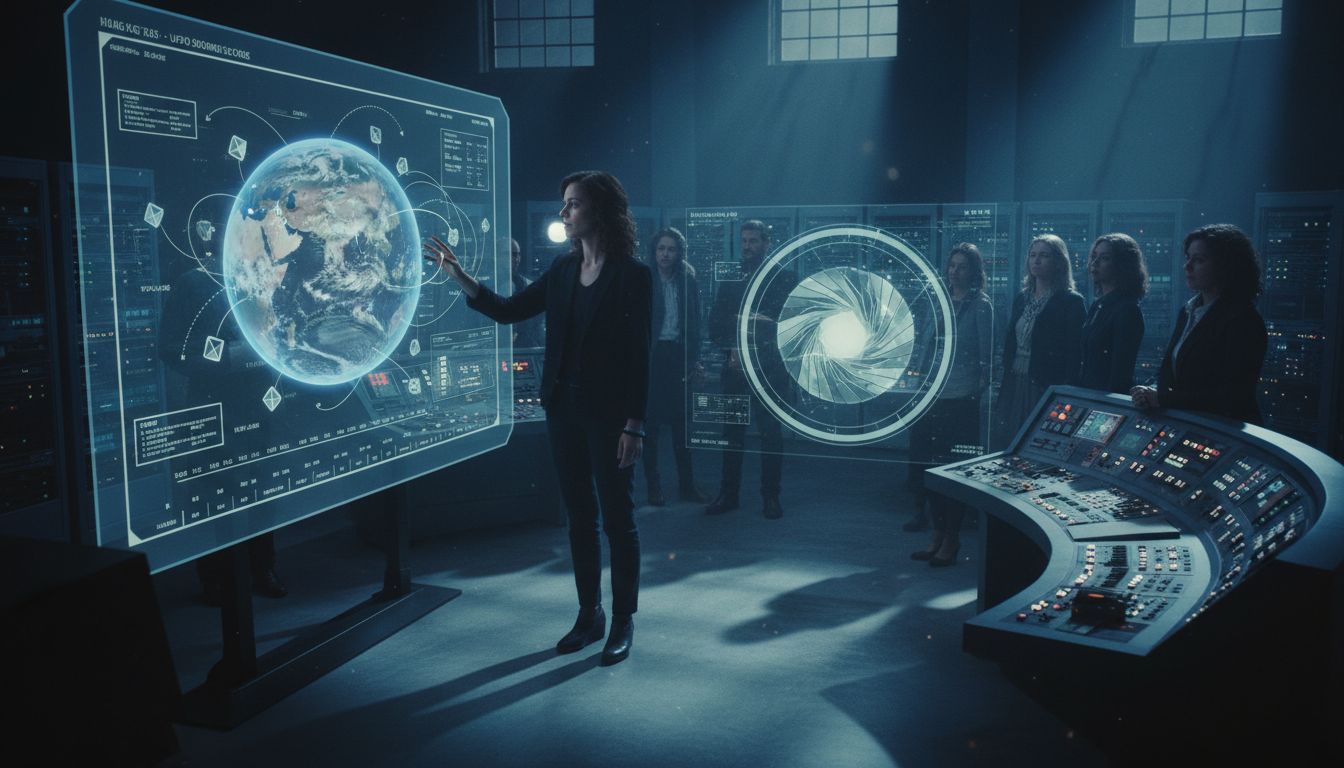
If a portion of the transients are indeed artificial, non‑natural objects, the discovery would have profound implications for aerospace security, international policy, and our understanding of near‑Earth space. Villarroel’s team plans to collaborate with ground‑based telescopes and space‑based sensors to capture real‑time reflections and obtain spectral data that could differentiate metallic alloys from natural ice or rock. Funding proposals are already underway to integrate these observations into the UAP Task Force’s broader data‑collection effort. Until such follow‑up studies are completed, the research stands as a data‑driven challenge to the “no evidence” narrative, urging the scientific community to reassess the evidentiary standards applied to unidentified aerial phenomena.