Overview
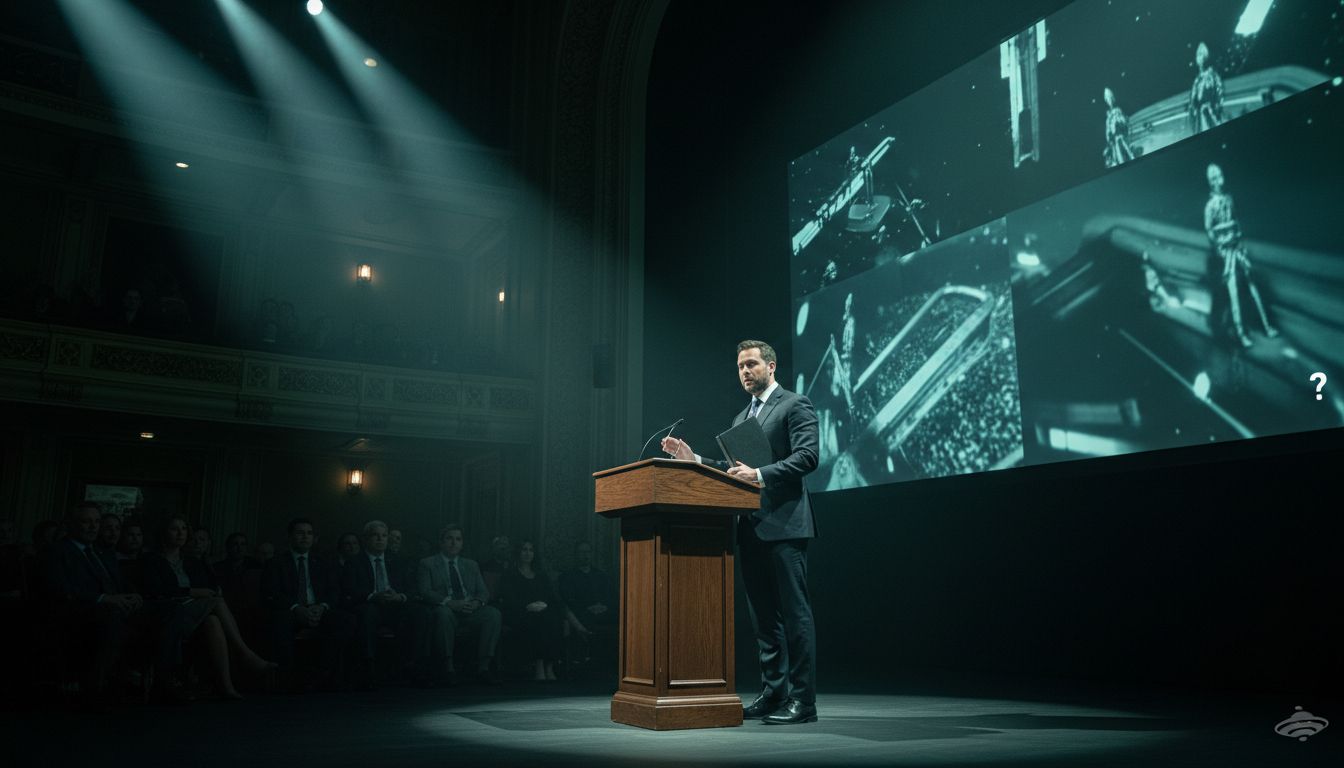
At a conference marking the 30th anniversary of Brazil’s infamous Varginha UFO encounter, Rep. Eric Burlison (R‑MO) called on Congress to pass the UAP Disclosure Act and strengthen whistle‑blower protections for anyone reporting encounters with unidentified anomalous phenomena. Speaking to a crowd of researchers, former military personnel, and eyewitnesses, Burlison warned that “we’ve been given marching orders” to bring hidden information into the public sphere. He framed the legislation as a matter of national security, scientific integrity, and democratic accountability, urging lawmakers to act before “retaliation” silences further testimony.
Legislative Push
The UAP Disclosure Act, first introduced in the House in 2023, would require the Department of Defense, intelligence agencies, and the Federal Aviation Administration to release all declassified data on unexplained aerial sightings within 180 days. Burlison emphasized that the bill also mandates an independent review board of scientists and former defense officials to evaluate physical evidence, such as radar logs and recovered materials. “Transparency is not a partisan issue; it’s a constitutional one,” the congressman said, citing the 2022 Pentagon report that acknowledged over 140 unexplained incidents in the previous decade. He urged his colleagues to vote on the measure before the end of the current session.
Witness Accounts
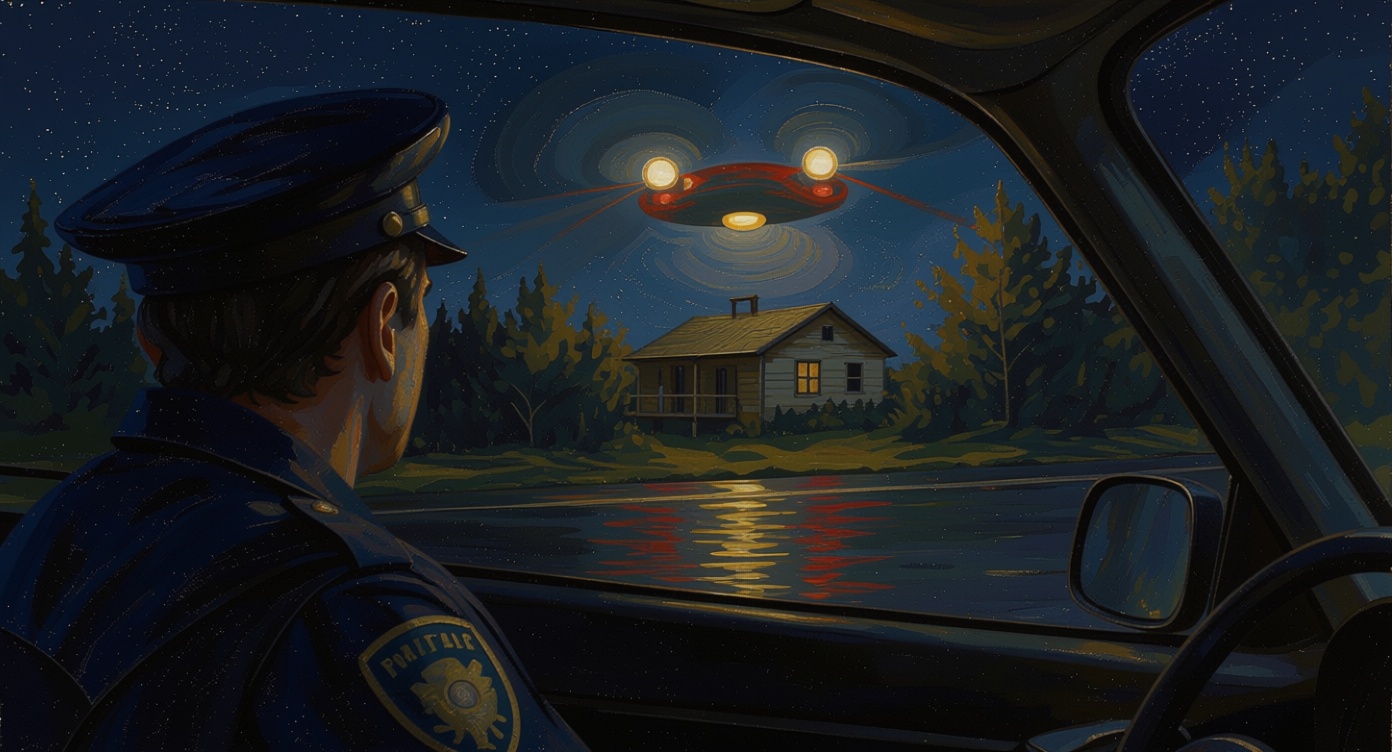
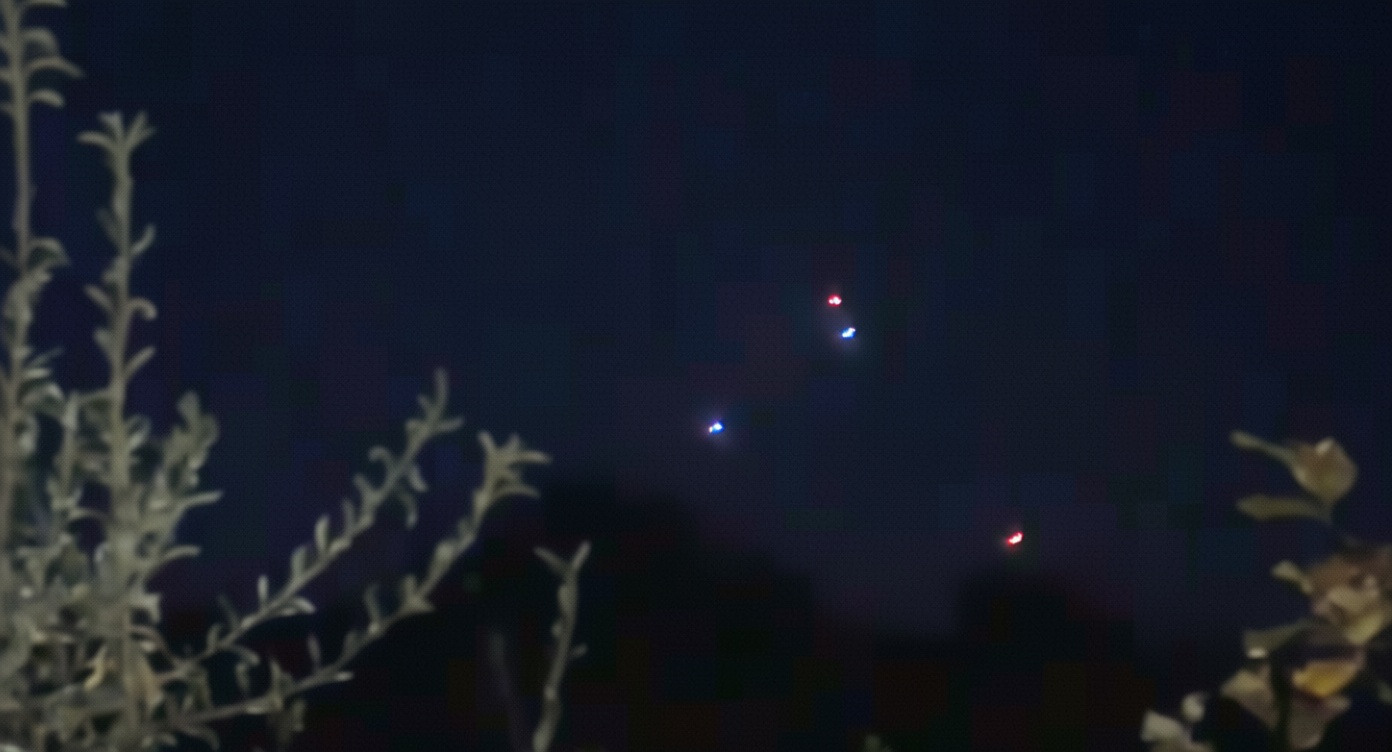
During the Varginha gathering, several attendees recounted first‑hand experiences that echo the original 1996 reports of “non‑human entities” near the crash site. One former Brazilian air‑force technician described seeing a metallic, tripod‑like craft hovering over a forest clearing, followed by figures “about four feet tall, with elongated heads and large, dark eyes.” Another U.S. Navy pilot, who declined to be named, said his aircraft’s sensors recorded unusual electromagnetic signatures while tracking a similar object off the Atlantic coast. These testimonies, while anecdotal, are bolstered by documented radar traces and recovered debris that have yet to be fully examined by civilian scientists.
Concerns Over Retaliation
Burlison highlighted a growing pattern of alleged retaliation against whistle‑blowers who come forward with UAP information. He referenced recent lawsuits filed by former intelligence analysts claiming they faced career setbacks and security‑clearance revocations after disclosing sighting details. “The fear of professional ruin is real, and it stifles the very data we need to understand these phenomena,” Burlison asserted. The proposed amendments to the Whistleblower Protection Act would extend safeguards to individuals reporting “unexplained aerial phenomena” and ensure they receive the same legal recourse as those exposing other government misconduct.
Next Steps and Outlook
The conference concluded with a pledge from the organizing committee to compile all witness statements and submit them to the UAP Independent Review Board once it is established. Burlison announced plans to introduce a companion resolution urging the Office of the Director of National Intelligence to prioritize the integration of civilian research with classified findings. While critics caution against over‑hyping unverified sightings, the bipartisan momentum behind the Disclosure Act suggests a shift toward open‑government policies on anomalous aerial events. As the legislative calendar tightens, the coming weeks will test whether Congress will heed Burlison’s call for transparency—or let the “marching orders” remain unheard.