Overview
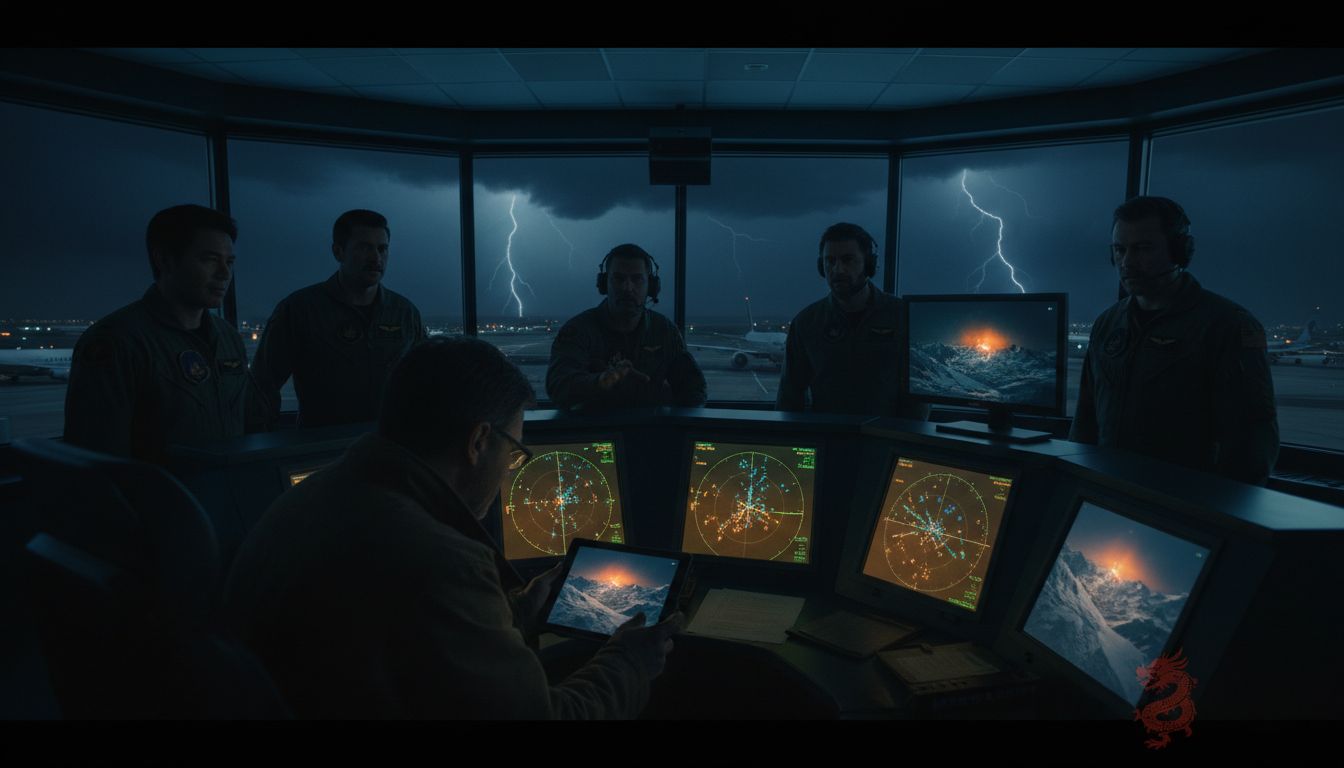
Pilots and air‑traffic controllers are increasingly reporting encounters with unidentified aerial phenomena (UAP) that they consider potential aviation safety hazards. In a recent column for Flying Magazine, veteran aviator J. A. Soto describes how the shift from the term “UFO” to “UAP” has reduced the stigma that once kept many professionals silent. The article highlights a series of sightings—including unexplained lights and anomalous radar returns linked to a high‑altitude Chinese balloon—that underscore the need for systematic data collection and transparent investigation.
Professional Perspectives
Aviation crews operate in a tightly regulated environment where any unknown object can jeopardize flight safety. “When you’re at 35,000 feet and a radar blip appears that doesn’t match any known aircraft, it’s not a curiosity—it’s a risk,” said Captain Maria Delgado, a commercial airline pilot with 12 years of experience. Air‑traffic controllers echo the concern, noting that unexplained contacts can strain separation protocols and increase workload. Recent reports from the Federal Aviation Administration (FAA) indicate a modest rise in UAP‑related incident filings, prompting the agency to issue advisory circulars that encourage pilots to log all anomalous observations in the Aircraft Flight Data Recorder (AFDR) and to report them through the UAP Task Force established by the Office of the Secretary of Defense.
A Personal Encounter
Soto recounts a night in late 2025 while flying a training sortie over the central United States. “I saw a series of bright, pulsating lights moving erratically across the sky, and within seconds my onboard weather radar displayed a target that vanished as soon as I turned to face it,” he wrote. The incident coincided with a widely reported Chinese surveillance balloon that lingered over North America for weeks, creating a backdrop of heightened scrutiny. While the balloon’s trajectory was tracked by military assets, the author notes that the radar signature he observed did not align with the known characteristics of the balloon, suggesting an additional, unexplained element. Such firsthand accounts, when corroborated by flight‑deck instrumentation, add valuable data points to the broader UAP database.
The Terminology Shift
The reclassification from “UFO” (unidentified flying object) to “UAP” (unidentified aerial phenomenon) is more than semantic. Government agencies, including the Department of Defense, adopted the new term in 2020 to emphasize a scientific approach and to distance the subject from popular culture’s sensationalism. “Changing the language helped break down the psychological barrier that kept pilots from reporting what they saw,” explained Dr. Elena Ruiz, a senior analyst at the National Aviation Safety Board. Since the adoption of “UAP,” the number of voluntary reports from pilots to the FAA’s UAP reporting portal has risen by roughly 38 % over the past two years, according to agency statistics released in March 2026.
Call for Transparency and Safety
Soto’s column concludes with a clear appeal: greater transparency in UAP investigations is essential for both safety and public confidence. He urges the FAA, the National Transportation Safety Board (NTSB), and the Department of Defense to share de‑identified data with the aviation community, allowing researchers to identify patterns and develop mitigation strategies. “If we treat these sightings as data, not anecdotes, we can better protect crews, passengers, and the airspace they rely on,” he wrote. Industry groups such as the Aircraft Owners and Pilots Association (AOPA) have already endorsed a joint statement calling for an independent review board to oversee UAP case files, mirroring the model used for near‑midair collision investigations.
Looking Ahead
As the aviation sector grapples with the reality of UAPs, the convergence of pilot testimony, radar evidence, and governmental reporting mechanisms points toward a more systematic understanding of these phenomena. While definitive explanations remain elusive, the growing willingness of professionals to share observations—bolstered by the neutral terminology—offers a pragmatic path forward. Continued collaboration among pilots, controllers, regulators, and scientists will be crucial in ensuring that the skies remain safe, whether the unknown objects are foreign surveillance platforms, atmospheric anomalies, or something yet to be classified.


