Overview
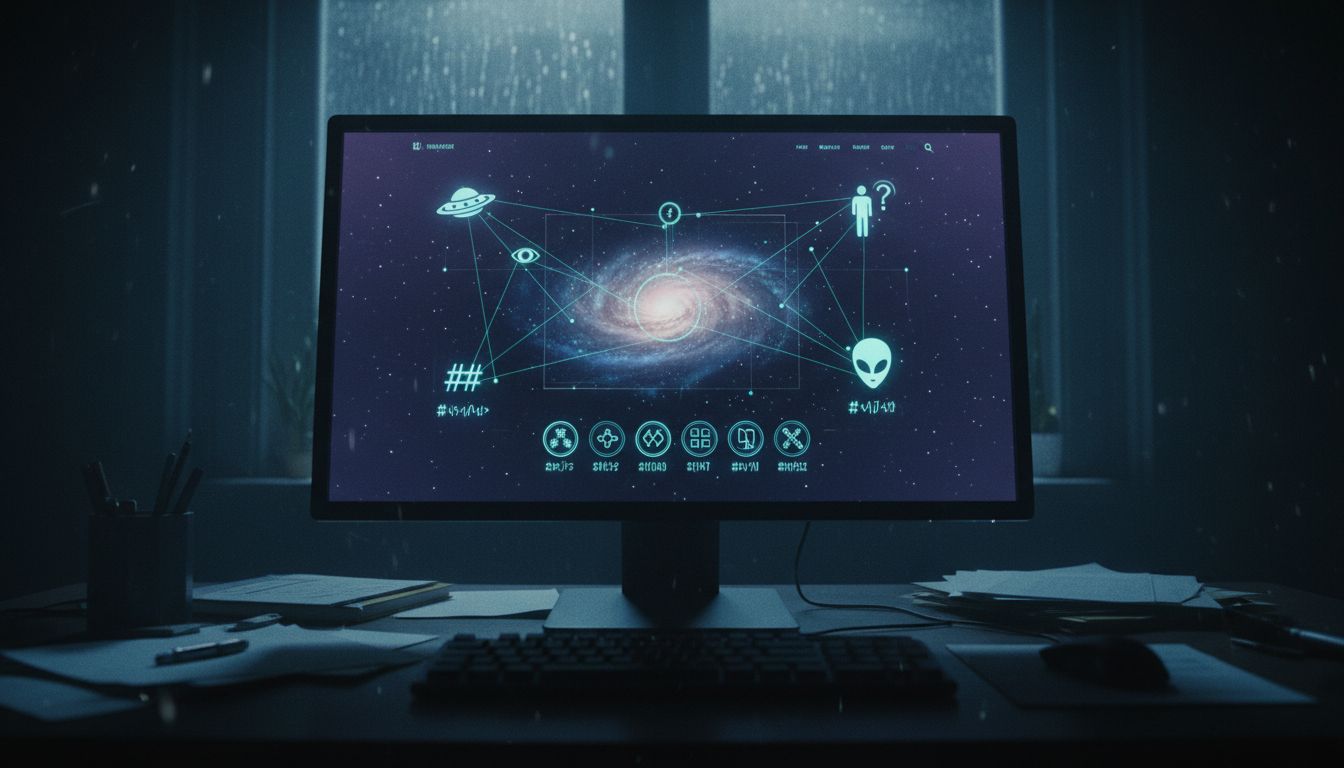
A new website circulating in the UFO community is putting a blunt, highly structured argument at the center of the disclosure debate: popular culture has trained the public to expect one dramatic reveal, while the reality of UAP disclosure is far more gradual, bureaucratic, and fragmented. The site, titled What Disclosure Looks Like | Hollywood vs. Reality, presents itself as a side-by-side comparison of cinematic expectations versus the slower mechanics of government transparency. Shared under hashtags such as #ufo, #disclosure, and #uaptwitter, it reflects a broader shift in how many enthusiasts and researchers now frame the issue—not as a single revelation, but as an accumulating record of declassified documents, radar data, legislative activity, and administrative resistance.
Hollywood Expectations vs. Bureaucratic Reality
The site’s central argument is that “one day changes everything” is a Hollywood notion, while actual disclosure unfolds as a drip that takes decades. In the site’s framing, the public imagines a sudden, world-altering announcement that forces immediate global recognition of non-human intelligence. By contrast, the platform describes what it calls controlled disclosure: a slow, managed sequence of admissions intended to normalize anomalous concepts without destabilizing national security structures or economic systems. That distinction captures a familiar tension in the UFO discussion, where expectations of a spectacular reveal often collide with the far less dramatic pace of official process.
Secrecy, Evidence, and Public Response
The site also rejects the idea that secrecy depends on a single, identifiable “rogue cabal,” arguing instead that the real obstacle is systemic institutional inertia. It points to the ways sensitive information can be compartmentalized across agencies, protected by classification rules, and defended through self-preservation. On evidence, the contrast is equally stark: instead of the sleek, undeniable recovered craft often imagined in films and whistleblower thrillers, the site describes a landscape of redacted, scattered anomalies—scrubbed records, incomplete sensor logs, and materials lacking full chains of custody. It argues that the public’s response may not be mass panic, but something more mundane: a collective shrug shaped by decades of media conditioning, partial admissions, and incremental normalization.
Information Access and the Disclosure Bottleneck
Another major theme is how information becomes visible—or remains hidden—in plain sight. The site argues that secrecy is not always maintained through dramatic destruction of evidence, but through cultural noise, administrative filing systems, and ridicule that bury meaningful data inside ordinary paperwork. In this view, the public does not need clandestine midnight leaks alone; it also needs to understand the barriers imposed by FOIA delays, legal fees, and bureaucratic gatekeeping, which can keep records inaccessible for years. That emphasis aligns with a long-standing frustration in the UAP community: even when documents are technically public, they may be so heavily redacted or contextually limited that the core question remains unresolved.
Broader Significance
Taken as a whole, What Disclosure Looks Like is less a piece of evidence than a framing device—one that attempts to reset expectations around the disclosure conversation. Its language is vivid, but its underlying message is sober: if UFO disclosure is happening, it is likely to look less like a blockbuster and more like a slow administrative unraveling. For observers following the issue through online communities and policy developments alike, the site underscores a key reality of the modern UAP debate: the struggle is not only over what exists, but over how truth becomes legible in public.