Overview
A renewed push in Washington is bringing the 1996 Varginha UFO incident back into the public eye. The case, long described as “Brazil’s Roswell,” involves reports of a strange humanoid creature and alleged military activity in the southeastern city of Varginha. U.S. lawmakers, joined by former intelligence officer David Grusch, are now demanding that any related documents be de‑classified, arguing that transparency on unidentified aerial phenomena (UAP) is a matter of national security and public right‑to‑know. The request arrives amid a broader congressional effort to obtain and release decades‑old UFO files that remain hidden from both Congress and the public.
The 1996 Varginha Incident
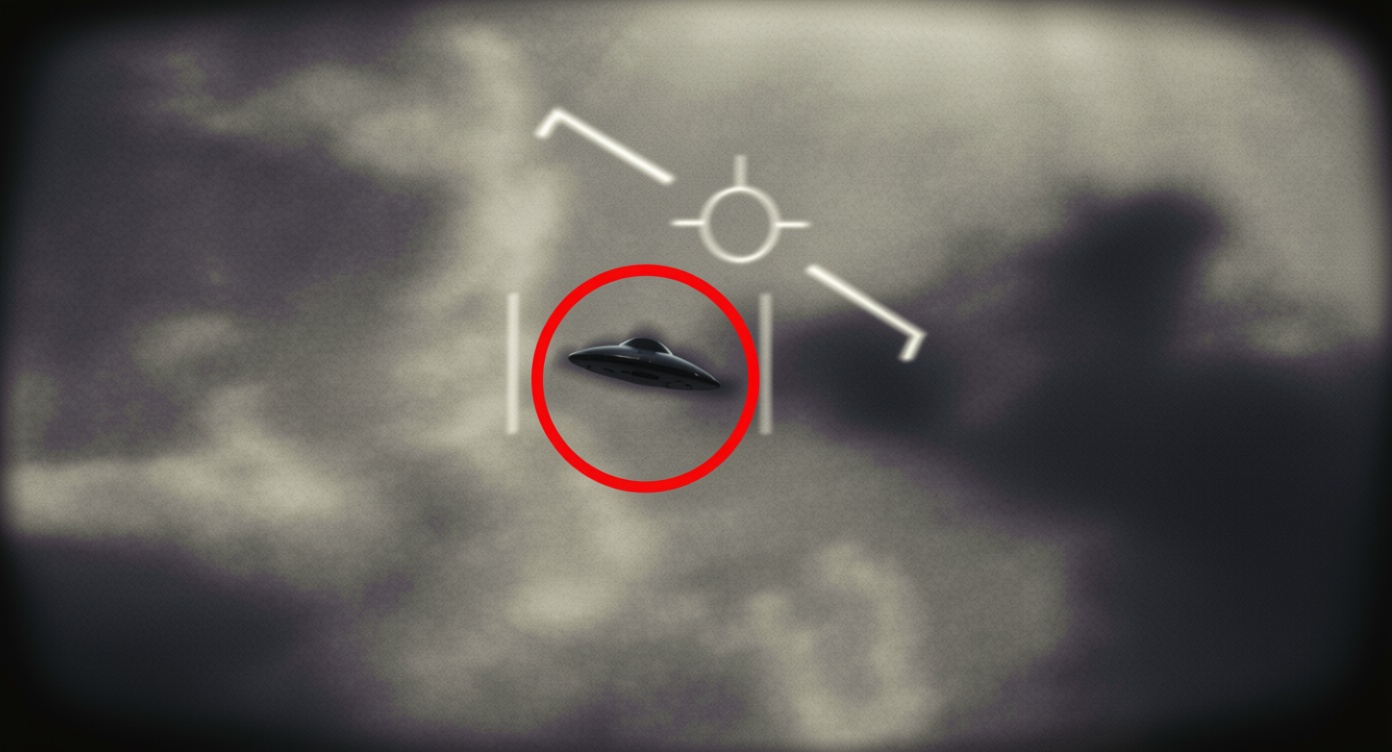
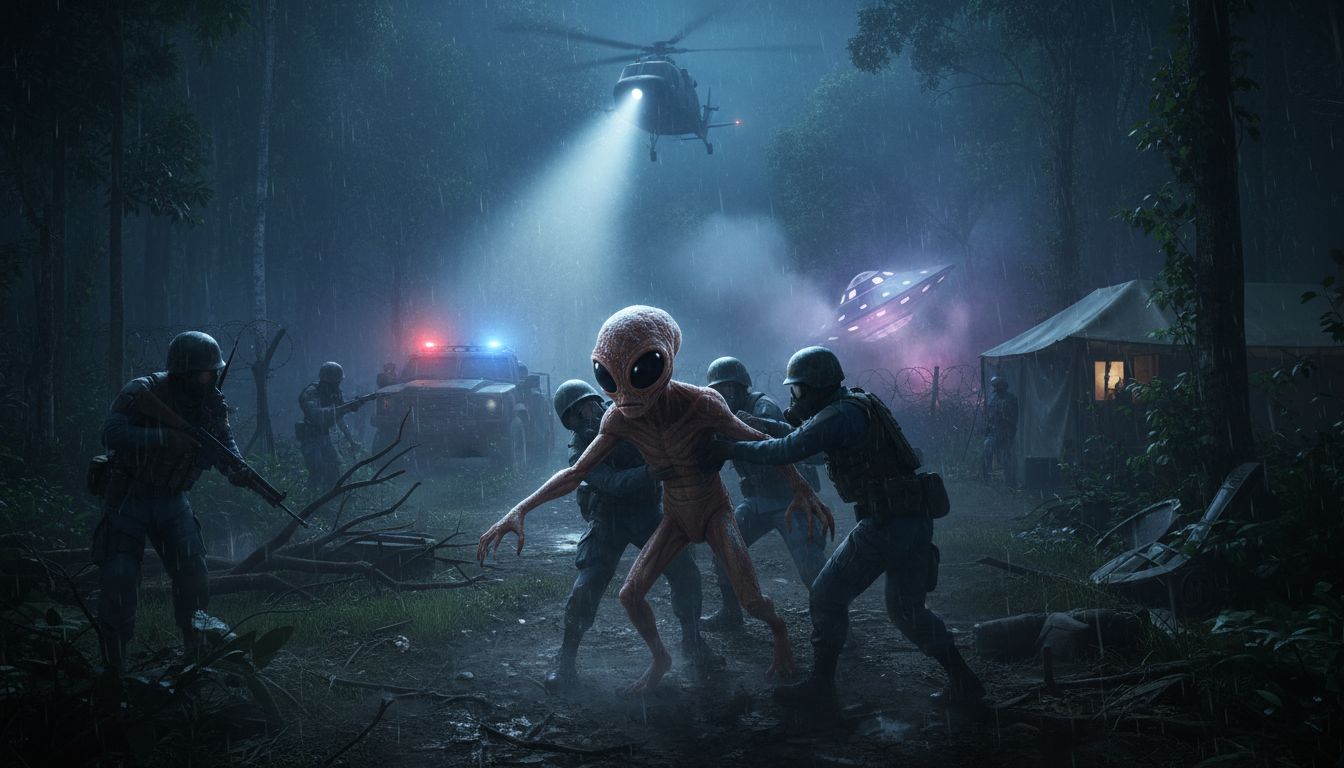
On January 20, 1996, three teenage girls in Varginha reported seeing a small, humanoid figure with a large head, red eyes and unusually smooth skin in a vacant lot. Within hours, dozens of residents claimed to have witnessed strange lights and disc‑shaped objects in the sky. Brazilian media quickly amplified the story, and rumors of a military operation to seize the creature spread across the country. Hospital staff later reported treating patients with unexplained injuries, fueling speculation that a non‑human entity had been captured and transported. Although Brazilian authorities have never confirmed an extraterrestrial presence, the episode has endured in popular culture and is frequently cited in global UFO discourse.
Congressional Momentum
During a press conference in Washington, Representative Anna Paulina Luna (R‑FL) announced that the House Intelligence Committee will request the release of all records concerning Varginha, as well as other historic UAP cases. “The American people deserve to know what our allies and our own agencies have seen,” Luna said, adding that the committee will also seek immunity for whistleblowers who come forward with credible information. Former intelligence officer David Grusch, who testified earlier this year about alleged recovered extraterrestrial technology, reiterated the need for “full disclosure” and suggested that some of the Varginha evidence may have been shared with U.S. defense officials in the late 1990s.
Advocacy and International Pressure
Brazilian UFO advocacy groups, such as Grupo de Estudos de Fenômenos Aéreos Não Identificados (GEFANI), have seized on the U.S. initiative to press their own government for access to classified files. GEFANI spokesperson Marcos Silva told reporters, “For decades we have filed requests under Brazil’s Freedom of Information Law with little response. The attention from Washington gives us renewed leverage to demand accountability from our own ministries.” The group cites a 2018 request to the Brazilian Ministry of Defense that was denied on “national security” grounds, a decision they argue lacks transparency.
Context Within the Global UAP Debate
The Varginha demand is part of a larger wave of legislative activity following the Pentagon’s 2022 release of the UAP Task Force report, which concluded that most sightings remain unexplained but found no definitive evidence of extraterrestrial technology. Critics argue that the report’s “no evidence” finding reflects limited access to classified data rather than an absence of anomalous phenomena. By targeting a high‑profile foreign case, U.S. lawmakers hope to set a precedent that encourages allied nations to open their archives, potentially creating a more comprehensive international database on UAP encounters.
Looking Ahead
If the requested documents are de‑classified, they could illuminate whether any physical evidence from Varginha was ever transferred to the United States, and how Brazilian and U.S. agencies coordinated (or failed to coordinate) their investigations. Such revelations would have implications for diplomatic relations, defense policy, and the ongoing public debate over the existence of non‑human intelligence. Until the files are released, both Brazilian advocacy groups and U.S. congressional leaders remain poised to press the issue, signaling that the Varginha incident—once a regional mystery—may soon become a pivotal chapter in the worldwide quest for UAP transparency.