Overview
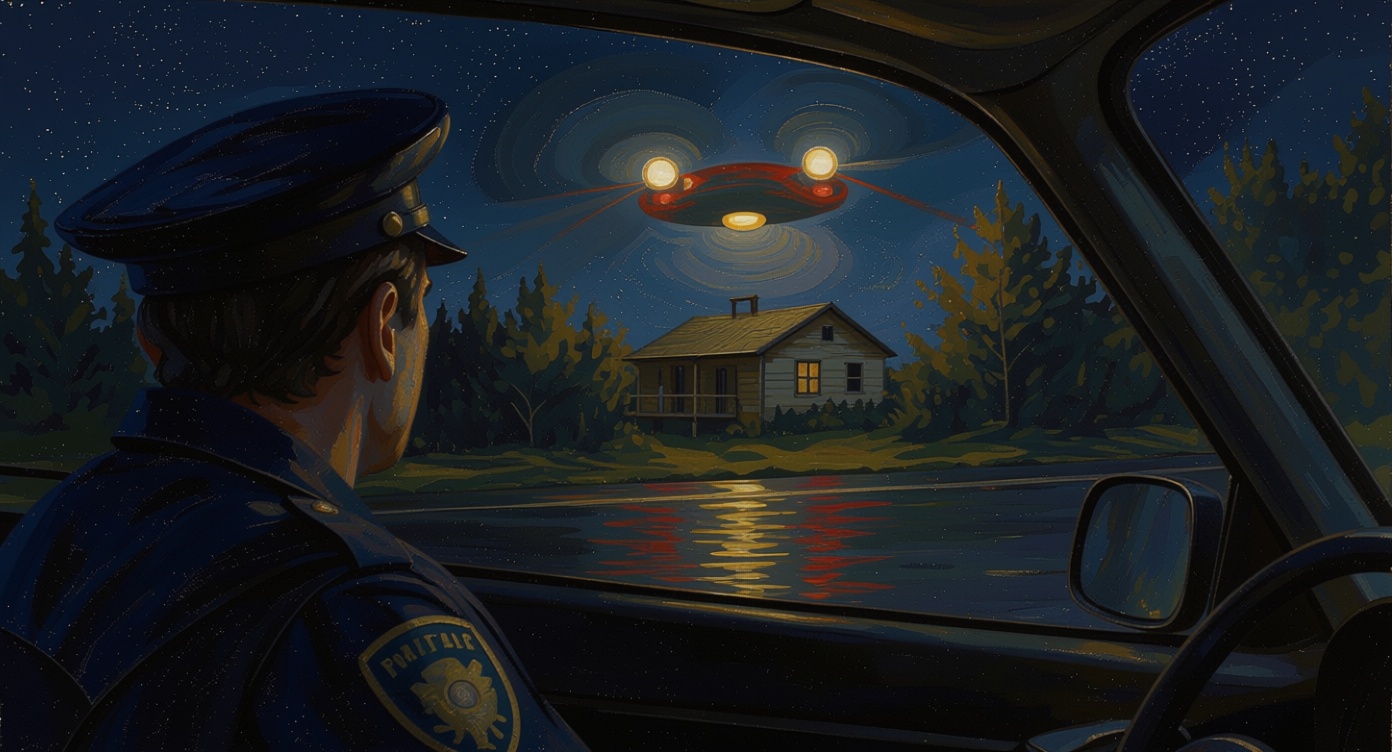
In the wake of a surge of public reports and de‑classified government documents, scientists are turning a more critical eye toward recent unidentified flying object (UFO) sightings. The most widely cited incidents involve U.S. Navy pilots who, during a 2021 training exercise, recorded encounters with unexplained aerial vehicles (UAVs). The Pentagon’s subsequent UAP (unidentified aerial phenomena) report acknowledged that while many observations could be linked to atmospheric effects or classified technology, a subset remains unexplained, prompting calls for systematic scientific study. Between 2020 and 2023, reported sightings climbed from roughly 6,000 to 10,000, and government‑initiated investigations rose from one to four, underscoring a growing institutional willingness to address the phenomenon.
Technological Advances and Data Collection
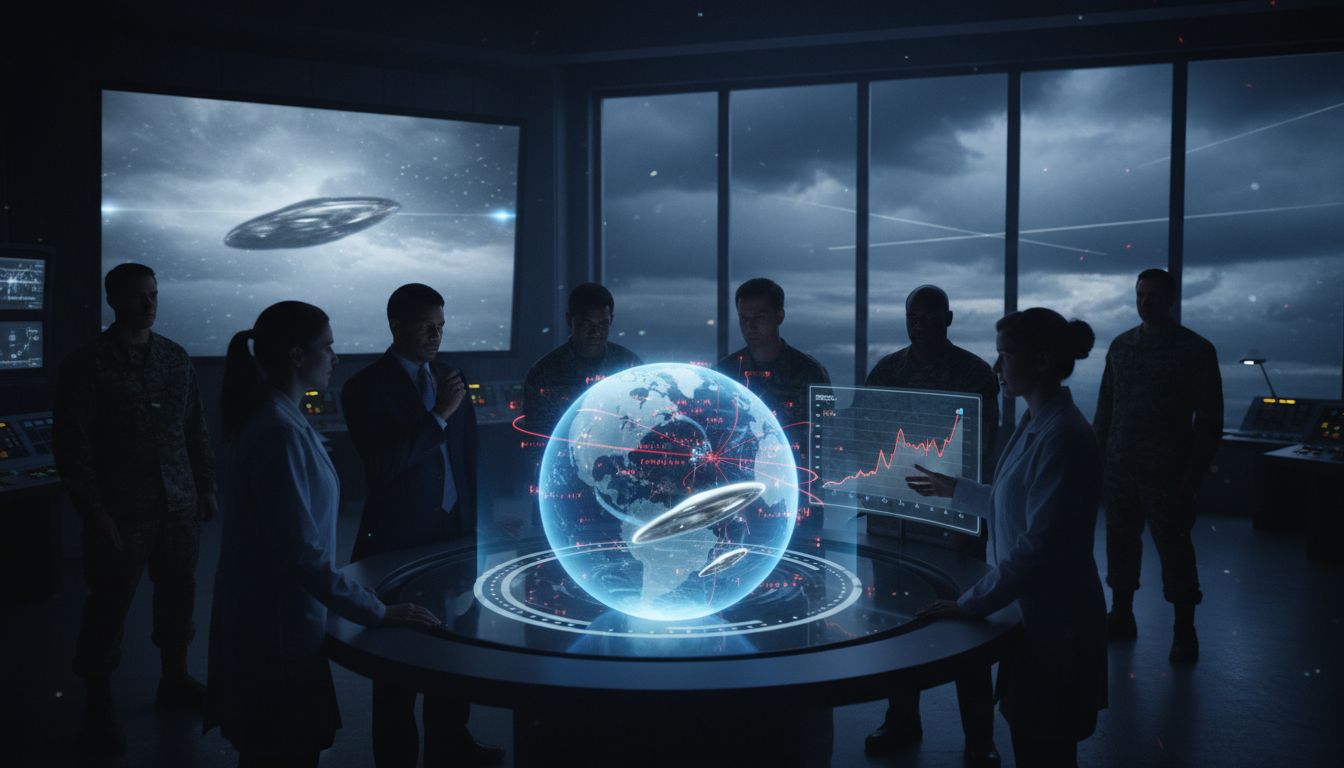
Modern sensor suites are reshaping how researchers evaluate anomalous aerial events. High‑resolution radar, satellite imaging, and infrared cameras now capture data with a precision that was unavailable to earlier generations of investigators. “We can now triangulate an object’s trajectory, speed, and thermal signature in near‑real time,” says Dr. Laura Chen, an aerospace engineer at the Air Force Research Laboratory. Such capabilities allow scientists to differentiate between conventional aircraft, meteorological anomalies, and truly unknown phenomena, reducing the reliance on anecdotal testimony alone. The 2021 Navy encounters, for example, were documented by multiple radar stations and cockpit video, providing a multi‑modal data set that the Pentagon’s UAP office is still analyzing.
Expert Opinions: Divergent Views on Extraterrestrial Possibility
The scientific community remains split on whether these sightings point to extraterrestrial intelligence. Prominent astrophysicist Neil de Grasse Tyson emphasizes statistical probability: “Given the billions of stars in our galaxy and the thousands of potentially habitable exoplanets, it is statistically improbable that Earth is the sole cradle of intelligent life.” In contrast, theoretical physicist Michio Kaku urges caution, noting that “extraordinary claims demand extraordinary evidence; until we have reproducible data that can be independently verified, speculation remains just that.” A third camp, represented by atmospheric physicist Dr. Maya Patel, argues that many UAP reports may eventually be attributed to novel atmospheric optics or undisclosed military platforms, reinforcing the need for interdisciplinary scrutiny.
Analyzing the Evidence: From Fact to Fiction
When investigators apply rigorous standards—peer‑reviewed methodology, controlled observation, and reproducibility—a significant portion of UFO reports dissolve into identifiable sources. However, a small but persistent fraction resists classification. The 2021 Navy videos, for instance, display objects executing rapid accelerations and abrupt direction changes that exceed known aircraft performance envelopes. While some skeptics suggest sensor glitches or optical artifacts, the Pentagon’s own analysis admits that “the data remain unexplained after exhaustive review of known technologies.” This admission has spurred academic institutions to propose dedicated UAP research programs, integrating astronomy, aerospace engineering, and data science to build a comprehensive investigative framework.
The Path Forward for UFO Research
Looking ahead, funding bodies and scientific societies are beginning to formalize UFO research as a legitimate field of inquiry. The National Academy of Sciences is slated to convene a panel next year to assess methodological standards, while NASA’s Advanced Astrophysics Division has announced a pilot project employing CubeSats equipped with optical and spectroscopic sensors to monitor high‑altitude anomalies. As Dr. Chen notes, “A coordinated, interdisciplinary approach—combining open‑source data, governmental sensor networks, and academic expertise—offers the best chance of turning speculation into knowledge.” Whether these efforts will ultimately uncover evidence of extraterrestrial technology or simply demystify atmospheric phenomena remains uncertain, but the shift toward scientific rigor marks a decisive move away from sensationalism toward evidence‑based understanding.