Overview
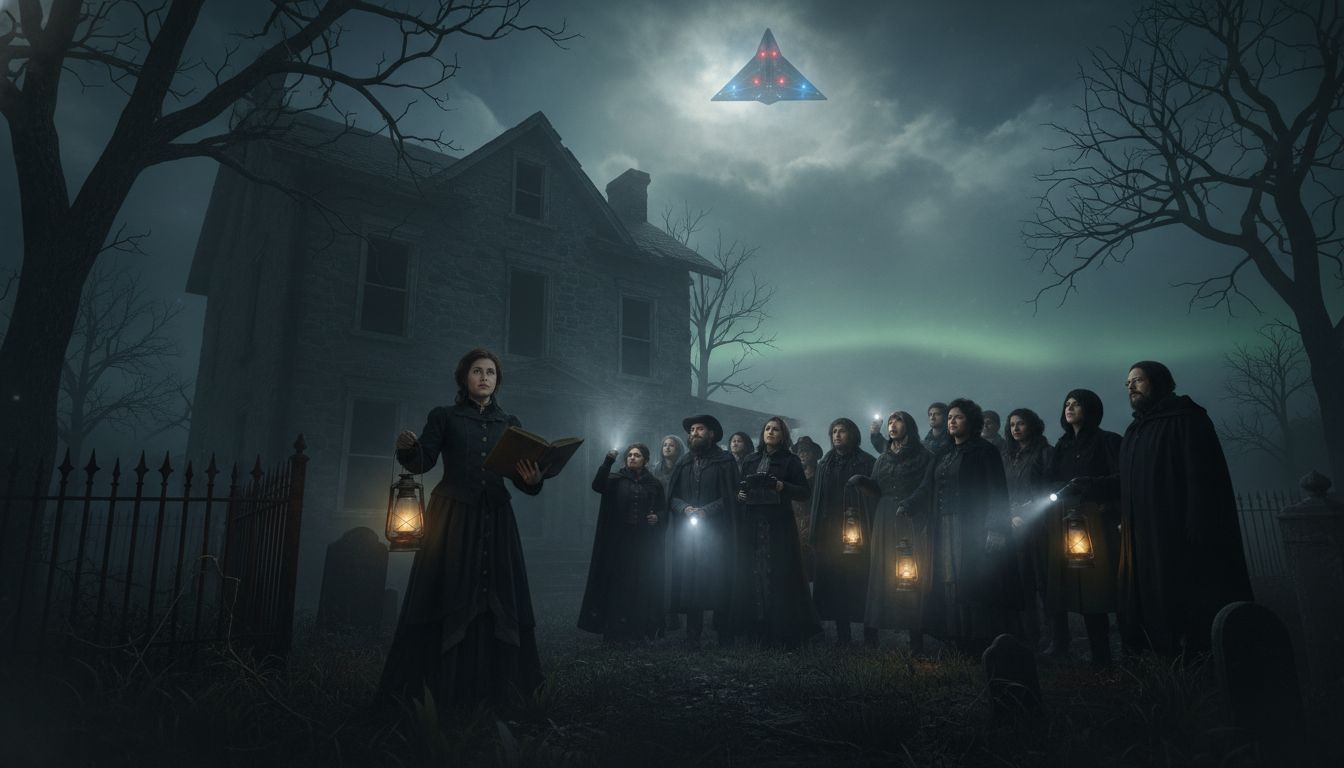
Paranormal tourism in West Virginia has entered a period of rapid growth, drawing visitors from across the United States and overseas to ghost tours, haunted festivals, and “spirit‑walks” that weave together local folklore and historic sites. According to the West Virginia Office of Tourism, the state recorded a 27 % increase in overnight stays linked to haunted‑themed attractions during the first nine months of 2025, a trend officials attribute to the broader rise of experiential travel rather than a surge in belief in the supernatural. The phenomenon is being marketed under the state’s long‑standing slogan “Almost Heaven,” positioning eerie history as a compelling complement to the region’s natural beauty.
Economic Impact
Local economies are feeling the ripple effect. In the coal‑mining town of Beckley, the newly launched “Haunted Mine Tour” has generated approximately $850,000 in revenue since its May debut, according to Beckley Chamber of Commerce director Lisa Carter. Small‑business owners report higher occupancy rates in boutique inns and increased sales at eateries that have added “spooky” menu items. “We saw a 15 % jump in bookings over the weekend of the Mothman Festival in Point Pleasant,” said hotel manager Carlos Rivera, noting that many guests travel specifically for the night‑time storytelling events. The influx of tourists is also creating seasonal jobs, with the West Virginia Department of Labor estimating over 300 new part‑time positions linked to paranormal attractions in the past year.
Storytelling and History
What sets West Virginia’s paranormal scene apart is its emphasis on historical narrative. Tours of Civil War sites such as the Camp Walker battlefield blend documented military history with accounts of lingering spirits reported by soldiers’ descendants. Similarly, the Trans‑Allegheny Lunatic Asylum offers a “History of Healing and Haunting” program that features archival photographs, physician journals, and testimonies from former patients, framing the eerie experience within a broader social context. “We’re not just saying ‘this place is haunted’; we’re telling the story of the people who lived, worked, and suffered there,” explains Mark Stevens, founder of the Ghost Trail Company, which operates tours in three counties.
Visitor Experience
Tourists describe the attractions as a blend of education and entertainment. A recent survey conducted by the West Virginia University Center for Tourism Research found that 78 % of respondents rated the historical content as “very important” to their enjoyment, while only 22 % cited the thrill of a possible paranormal encounter as their primary motivation. International visitors from the United Kingdom and Japan, drawn by the global popularity of shows like Ghost Adventures, have praised the authenticity of the narratives. “I came for the ghosts, but I left with a deeper appreciation for the state’s mining heritage,” said Emma Liu, a travel blogger from Shanghai.
Outlook and Challenges
State officials are cautiously optimistic about sustaining the boom. Governor Jim Justice’s office announced a $1.2 million grant program aimed at preserving historic structures that serve as paranormal venues, ensuring they meet safety standards while retaining their atmospheric appeal. However, heritage preservationists warn that commercializing sites could dilute historical accuracy if profit motives outweigh scholarly research. “We must balance storytelling with rigorous interpretation,” cautioned Dr. Hannah Patel, a professor of Appalachian studies at Marshall University. As the trend continues, industry observers expect West Virginia to refine its branding, positioning paranormal tourism as a gateway to deeper cultural engagement rather than a fleeting novelty.