Overview
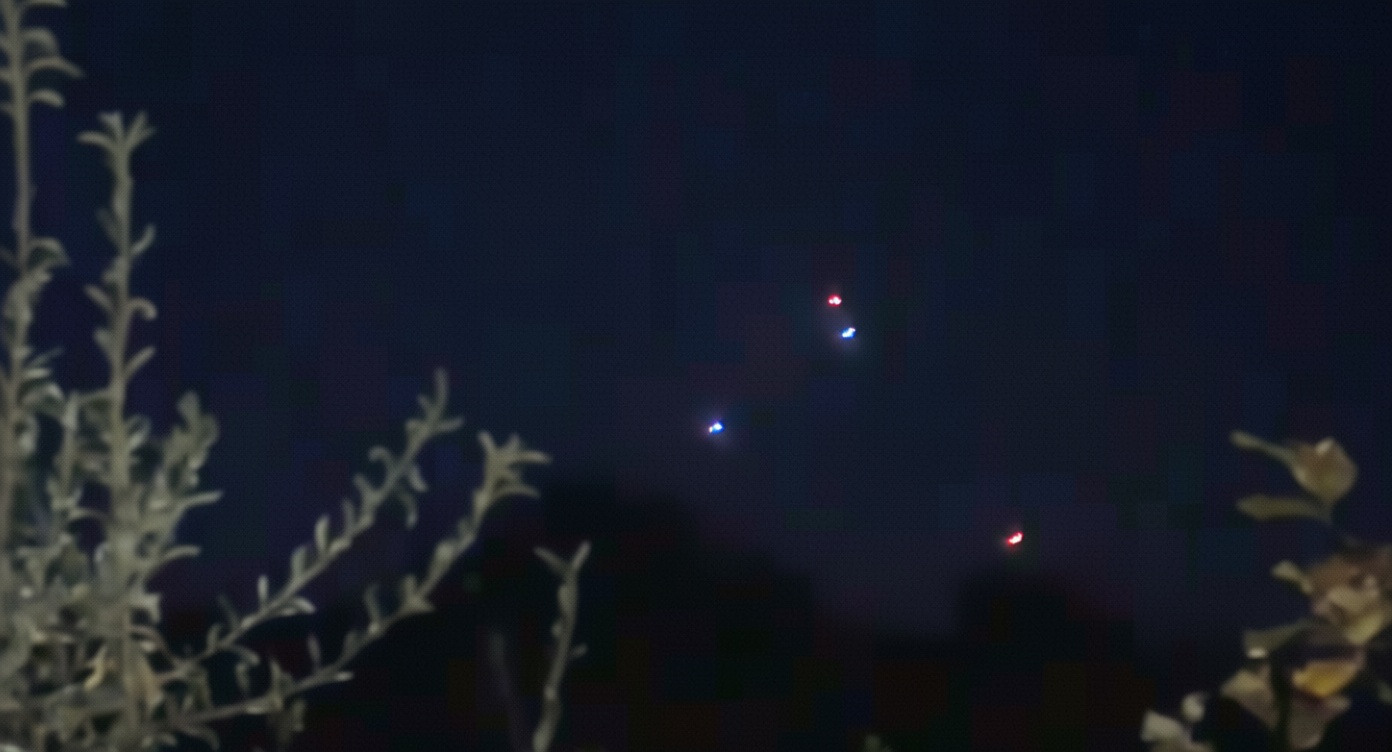
A new prediction‑market contract on Polymarket asks whether the United States will officially confirm the existence of extraterrestrial life before 2027. The question surfaced amid renewed public interest following the release of classified material from the Trump administration and the Pentagon’s recent Unidentified Aerial Phenomena (UAP) briefings. While the contract itself is a speculative financial instrument, the odds it generates are being watched by researchers, journalists, and hobbyists as a barometer of public and expert confidence in any imminent disclosure.
How the Market Works
Polymarket operates on a binary “yes/no” format: traders buy shares that pay out if the specified event occurs, and the market price reflects the collective probability assigned by participants. As of the latest snapshot, the “yes” side trades at roughly 5 %, indicating that the crowd assigns a low likelihood to a formal U.S. acknowledgment of alien life within the next four years. Market analyst Megan Liu, who follows geopolitical prediction markets, notes, “Binary contracts like this compress a wide range of intelligence assessments, political calculations, and public sentiment into a single price signal.”
Current Odds and What They Suggest
The modest 5 % probability mirrors broader skepticism among policymakers and intelligence officials. In June 2023, the Office of the Director of National Intelligence released a 400‑page report on UAPs that stopped short of confirming extraterrestrial origins, describing most sightings as “unexplained” but not “non‑human.” Subsequent congressional hearings have emphasized the need for better data collection rather than disclosure. Dr. Alan Ramirez, a senior fellow at the Center for Strategic Futures, explains, “Even with heightened transparency, the evidentiary threshold for an official confirmation is extraordinarily high; the market’s pricing reflects that reality.”
Policy Context and Upcoming Triggers
The contract’s deadline—January 1, 2027—coincides with the projected end of the current administration’s declassification schedule for legacy files, including those from the Trump era that were reportedly reviewed by the Office of the Director of National Intelligence in late 2023. However, no formal schedule for a public announcement has been set. The Department of Defense’s recent establishment of the All‑Domain Anomaly Resolution Office (AARO) signals an institutional commitment to study anomalous phenomena, but its charter explicitly avoids speculation about “alien technology.” As a result, analysts expect any confirmation, if it occurs, to be incremental—perhaps a limited acknowledgment of “non‑human origin” rather than a full admission of extraterrestrial life.
Community Reaction and Outlook
Online forums, especially the #disclosure threads on Discord and Reddit, have been abuzz with debate. Some participants argue that the low market odds are a “self‑fulfilling prophecy” that discourages whistleblowers from coming forward, while others contend that the odds simply echo the lack of concrete evidence. James Patel, a frequent contributor to the #disclosure Discord, summed up the sentiment: “We’re watching the same old cycle—leaks, hype, and then a quiet re‑classification. Until a verifiable, physical artifact is presented, the market will stay cautious.”
In the meantime, the Polymarket contract remains open, offering a real‑time gauge of how both the betting public and informed observers assess the probability of a historic announcement. Whether the odds will shift dramatically as new data emerges or stay anchored in skepticism, the market itself has become a modest but telling arena for the ongoing dialogue on one of humanity’s most enduring questions.