Overview
The ongoing debate about the potential psychological impact of full UFO disclosure on humanity took center stage in a recent YouTube video titled “Would Full UFO Disclosure Cause the Human Race to Go Totally Insane?” The discussion, highlighted in recent conversations on social media platform X, delves into whether society could withstand confirmation of non-human intelligence and what such an announcement might mean for global mental health, trust in institutions, and everyday life.
Public Reaction: Fear or Acceptance?
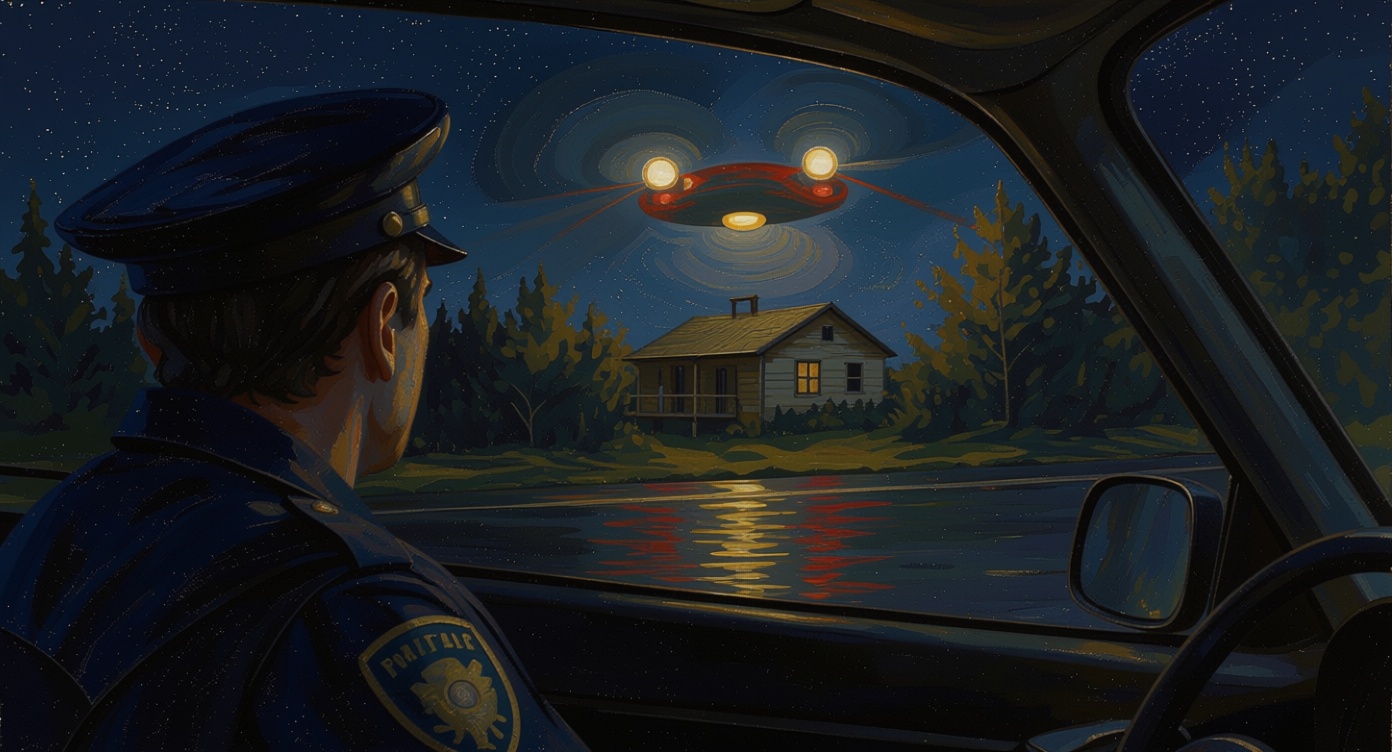
The video opens with a chilling recounting of a Las Vegas incident, where witnesses described seeing “8 foot, 9 foot, 10 foot” beings with “big eyes” in their backyard, insisting, “they’re not human. 100% they’re not human.” The host uses this story to frame the core question: Would people panic if governments admitted the existence of extraterrestrial beings?
Despite the sensational nature of such encounters, the video’s host expresses skepticism that full disclosure would result in mass hysteria. “I just don’t believe… that people would go insane or go and panic,” he asserts. Instead, the expectation is that most people would be unfazed or even indifferent, pointing out that many already hold unconventional beliefs and are accustomed to government secrecy. “There’s just so many problems that people have in this world right now... I think if you make an announcement... it’s not going to change anything.”
Government Secrecy and Public Skepticism
The video highlights the persistent tension between public curiosity and government transparency. The host notes, “there’s still this effort to keep this reality from the public,” arguing that despite mounting anecdotal evidence and personal testimonies, official acknowledgment remains elusive. The skepticism toward government truthfulness is evident: “Obviously, we know governments are constantly lying… all over the place.”
This lack of official clarity, the host suggests, leaves the truth about UAPs (Unidentified Anomalous Phenomena) in a perpetual state of ambiguity. “Nobody knows what the reality is,” he says, though he personally believes “there is most certainly something here.” The ongoing debate is further complicated by the proliferation of both believers and debunkers in the public sphere.
The Debate: Science, Skepticism, and Media
A significant portion of the video discusses the recent controversy involving prominent debunker Mick West and Dr. Gary Nolan of Stanford University. According to the host, CBS’s “48 Hours” show sought credible experts to debate West on UFOs, but most declined, viewing the premise as unproductive. Dr. Nolan himself refused, describing West as “a fool,” and suggesting that such debates are unlikely to yield any meaningful resolution. The video quotes Matt Ford, host of “The Good Trouble Show,” who criticized West’s platform, calling Metabunk “a third-rate echo chamber driven by a team of debunking cult followers who cosplay as scientists and experts, all ‘just for fun.’”
The host concludes that while televised debates may attract attention, “in the end... nothing would come of it.” The core issue, he argues, is not who wins a debate, but whether official sources are willing to share what they know with the public.
Conclusion
The question of whether humanity could handle the truth about UFOs and non-human intelligence remains open. However, this latest discussion suggests that full disclosure might be met with more indifference than chaos, given the public’s current attitudes toward government and the extraordinary. As the host notes, “people would be okay with this for the most part,” but the real challenge lies in overcoming institutional secrecy and fostering a transparent dialogue grounded in evidence and reason. For now, the debate continues—both on social media and in living rooms around the world.