Overview
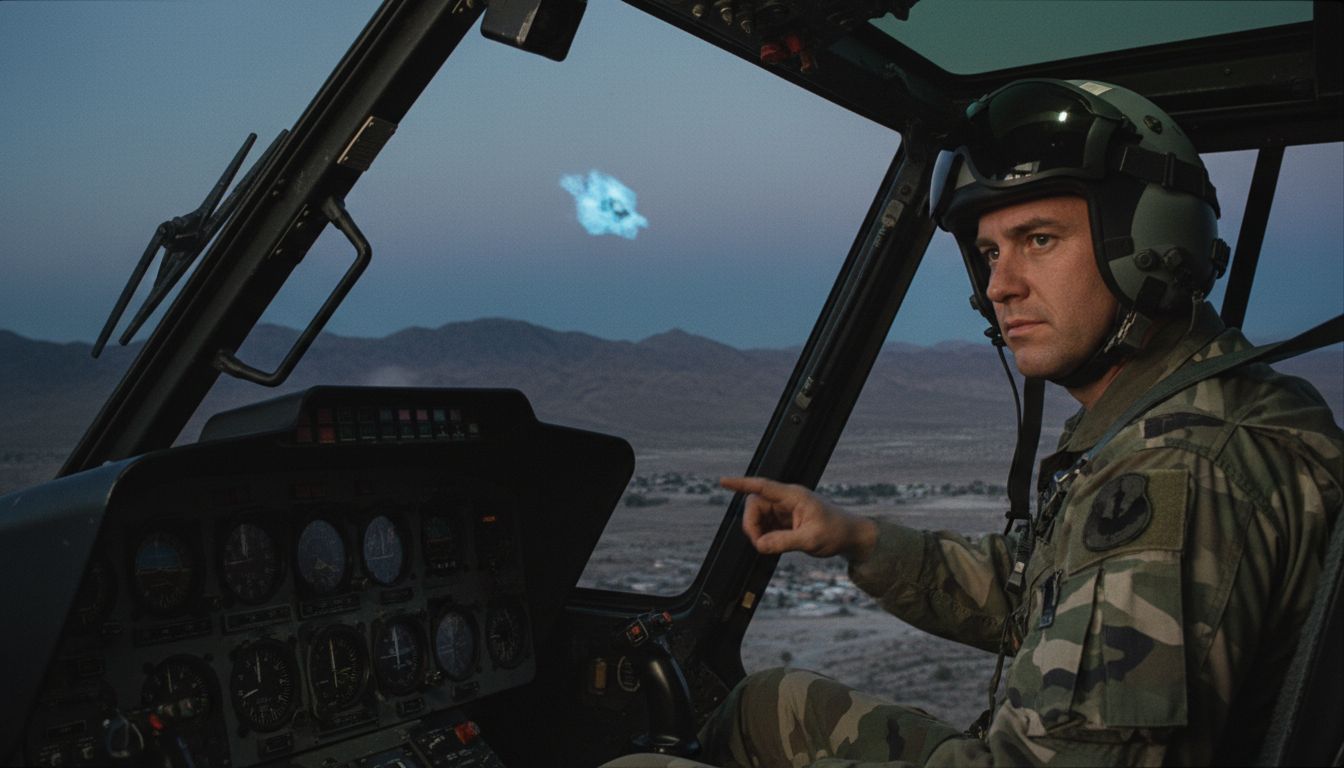
An Army attack helicopter pilot is arguing that reports of unidentified aerial phenomena (UAP) deserve a far more serious hearing from the public and from government officials, particularly when they come from experienced military aviators trained to recognize aircraft, sensors, and battlefield hazards. In a recent first-person essay, the pilot said he has seen six UFOs during his career — three in formation and three as individual craft — and maintained that, in his view, the encounters did not fit known aircraft, missiles, balloons, or other conventional explanations. His central point is not that every unexplained sighting proves something extraordinary, but that trained observers can provide valuable data that is often lost in the rush to dismiss unusual reports.
What Military Pilots Say They See
The pilot’s account emphasizes a key point often missed in popular UAP coverage: the object’s shape is not always the anomaly. In many military and commercial aviation cases, he wrote, sightings appear as points of light or heat rather than clearly defined craft. What makes them noteworthy, he said, is the way they move — abrupt changes in direction, acceleration that would be intolerable for a human crew, or behavior near restricted military areas that does not match ordinary air traffic. He also described seeing a wide range of routine and unusual aerial phenomena over the years, from F-22s in afterburner to satellites and artillery, underscoring that experienced aviators are often able to rule out familiar explanations before concluding that something remains unresolved.
Pentagon Releases and Public Expectations
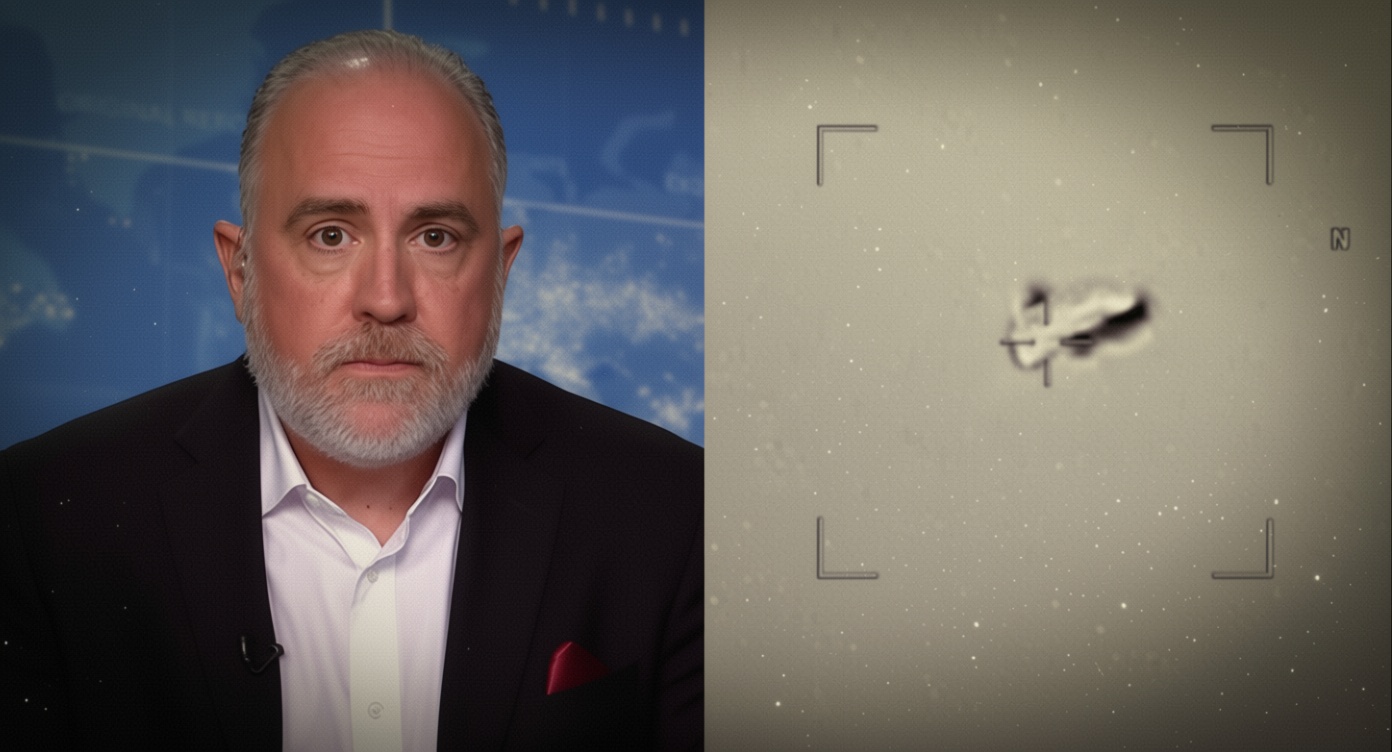
His comments arrive amid a renewed Pentagon declassification effort that has drawn fresh attention to UAP records. The author urged readers not to expect a Hollywood-style revelation, arguing that the public release of files is more bureaucratic than dramatic. The material currently available through government channels includes short videos, heavily redacted documents, and limited sensor information, which makes independent analysis difficult. While some of the footage is familiar to researchers, he said the release still matters because it acknowledges that the government has collected and cataloged unexplained reports. At the same time, he cautioned that the available evidence does not amount to a definitive breakthrough.
Beyond “Independence Day”
The essay also pushed back on the idea that official UAP disclosures will arrive with a cinematic announcement that extraterrestrials have been confirmed. Instead, the author framed the current moment as a slow shift in government transparency, comparing it to other once-controversial programs and entities that are now widely accepted as real. He pointed to the broader cultural momentum around the subject, including documentaries and investigative films that have helped move UAP from fringe radio and late-night television into mainstream discussion. That change, he suggested, reflects growing public willingness to treat the issue as a legitimate national security and aviation safety question rather than a source of ridicule.
Why Documentation Matters
The core argument in the piece is that credible UAP reports should be documented with far more rigor. If the sightings are the result of misidentified technology, unusual atmospheric effects, or something not yet understood, he wrote, the only way to find out is through better data collection and analysis. That means preserving flight parameters, sensor types, headings, altitudes, and locations — details that are often omitted from public releases. For military aviators, the stakes are practical as much as philosophical: unanswered questions in the sky can affect training, readiness, and safety. The pilot’s conclusion is measured but firm: unexplained aerial encounters are real enough to investigate, and experienced witnesses should not be ignored simply because the answers remain elusive.