Overview
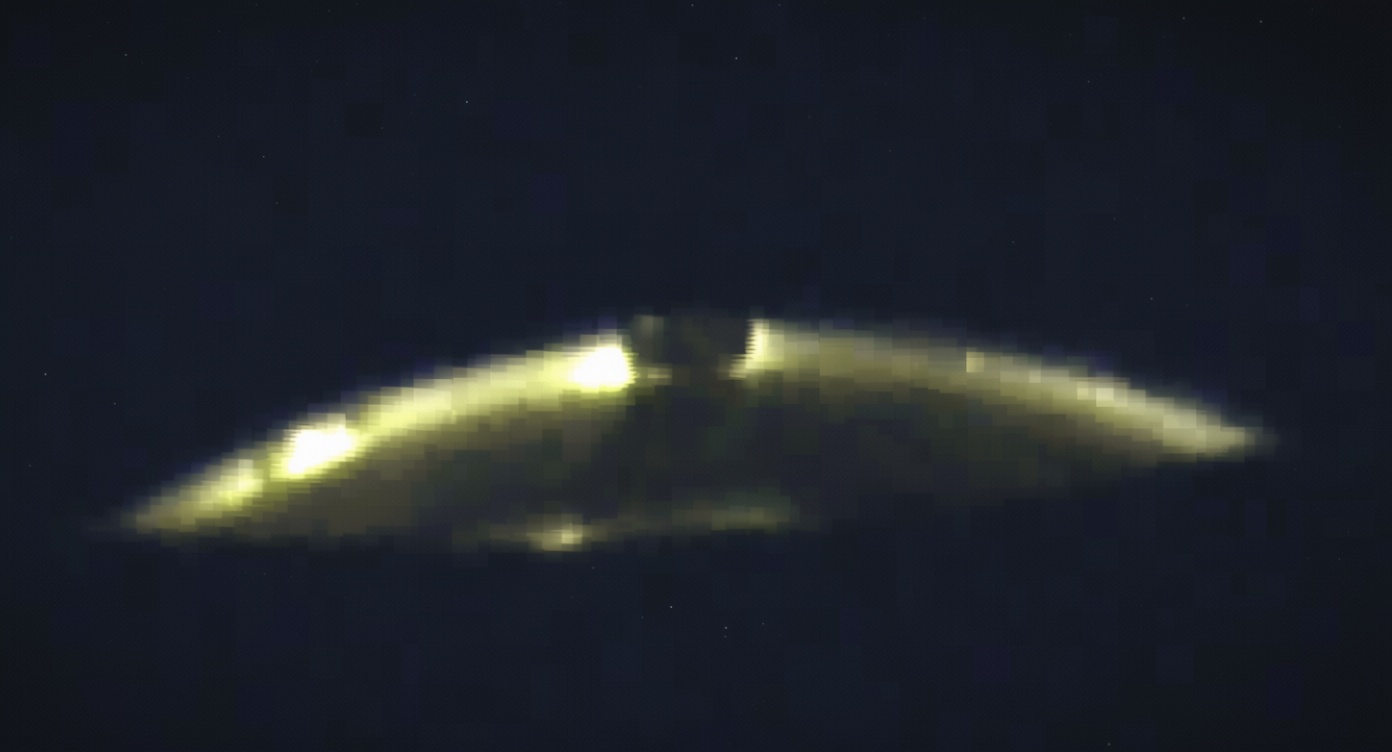
Astrophysicist Avi Loeb is advancing a new scientific possibility for at least some reports of glowing UAP “orbs”: that they may be laser-produced plasmas rather than evidence of exotic craft or extraterrestrial technology. In a recent Medium post, Loeb framed the idea as a testable hypothesis, building on his earlier discussion of ball lightning and emphasizing that the UAP debate should be guided by scientific method, not anecdote. His argument is not that every orb report can be explained this way, but that plasma physics may account for a subset of the sightings now circulating in military and civilian UAP discussions.
How the idea entered the discussion
Loeb said the new post was prompted by an email from a reader who suggested that some orb sightings could be “plasmoids”—either naturally occurring or artificially generated—and pointed to U.S. military research into laser and plasma systems. The message also raised the possibility that some early “tic-tac” style sightings may have occurred during training exercises or classified testing. Loeb did not endorse those claims outright, but he treated the inquiry as a serious scientific prompt, noting his own background in the field. He wrote that his MSc thesis in 1985 focused on strong shock waves generated by high-irradiance lasers in solids and fast spark discharges in gases, giving him familiarity with the physics behind laser-produced plasmas.
Military research and plasma generation
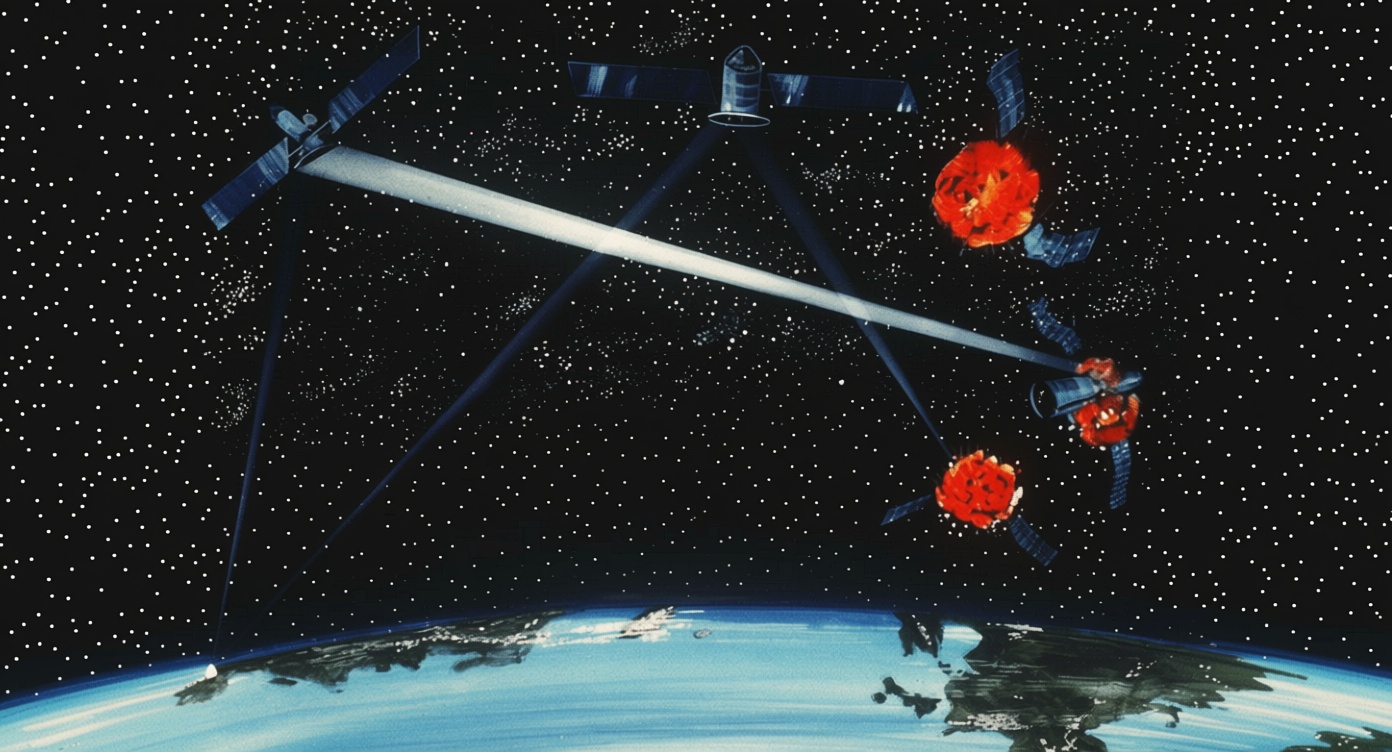
Loeb highlighted the Pentagon’s Laser-Induced Plasma Effect (LIPE) program, which has been associated with research on using short laser pulses to strip electrons from atoms in air and create plasma balls. The underlying concept has been reported in several defense and technology outlets over the past decade, including coverage of work tied to the Joint Non-lethal Weapons Directorate. According to those reports, the system uses a two-step laser process to create and control plasma in the air, with possible applications ranging from signaling to non-lethal deterrence. Loeb’s point is that if militaries can intentionally generate visible plasma phenomena, then at least some glowing orb sightings deserve to be examined through that lens before jumping to more speculative conclusions.
Scientific caution and unresolved questions
Even so, Loeb’s argument remains a hypothesis, not proof. Plasma effects can be dramatic, but they are also highly dependent on environmental conditions, energy input, and duration. That means the model may fit only certain types of reports, not the broad and often inconsistent universe of UAP observations. Loeb has previously suggested that some luminous phenomena described as UAP could overlap with known atmospheric events such as ball lightning, while others may stem from human technology, sensor artifacts, or misinterpretation. In that framework, the challenge is to separate well-documented, physically explainable events from cases that remain unresolved.
Why it matters for UAP research
The post reflects a broader shift in parts of the UAP discussion toward measurable mechanisms rather than speculation. By pointing to laser-induced plasma as a possible explanation for some orb reports, Loeb is reinforcing his long-standing view that UAP studies should be approached with instrumentation, reproducibility, and laboratory physics in mind. Whether the theory ultimately holds up will depend on evidence from future observations, laboratory tests, and, where possible, better access to data from military or scientific sensors. For now, Loeb’s proposal adds another grounded possibility to a field often dominated by claims that are far less easily tested.