Overview
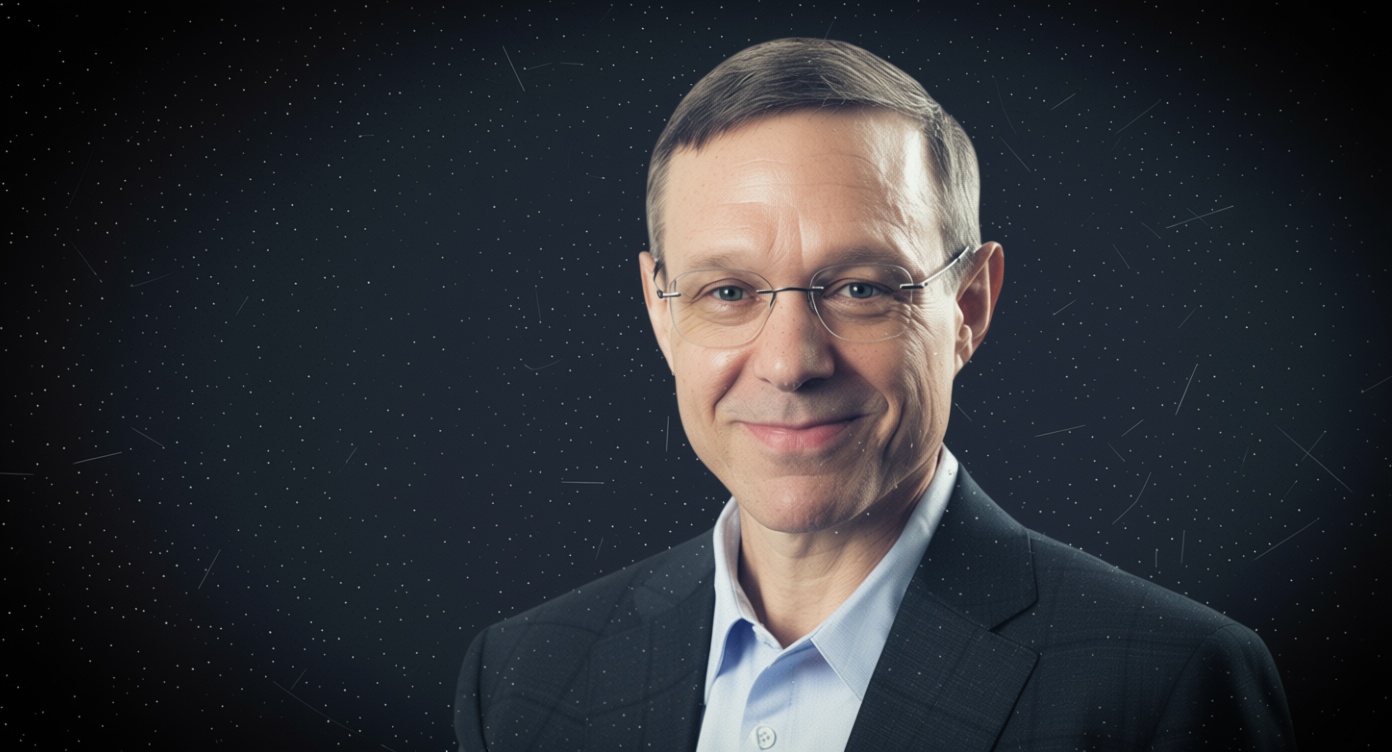
Harvard astrophysicist Avi Loeb has been chosen to lead a new U.S. government scientific advisory council on unidentified anomalous phenomena (UAP), the official term now used for the objects and incidents more commonly known as UFOs. The appointment places one of astronomy’s most visible and controversial figures at the center of a federal effort aimed not at proving extraterrestrial visitation, but at improving the quality of evidence used to explain unexplained sightings.
Loeb’s selection is notable because he became widely known after arguing that ʻOumuamua, the first interstellar object ever observed passing through the Solar System, might have been artificial technology. That idea drew intense public attention and substantial criticism from many astronomers, but it also helped make Loeb a prominent voice in debates over how science should approach unusual observations. His new role suggests the government wants someone who is both scientifically credible and willing to ask unconventional questions.
How the new council fits into government efforts
The body Loeb will chair is not a new White House agency, despite some early reports implying otherwise. Instead, it is an external UAP Science Advisory Council that will support an interagency UAP Governance Board established by the Office of the Director of National Intelligence (ODNI). An ODNI official confirmed that arrangement to DefenseScoop, while The Associated Press reported that Loeb had been selected to lead the scientific group.
The council’s mandate reflects a broader push for transparency around UAP records and reporting. Its role is expected to be advisory: producing scientific reports and recommendations for officials whose responsibilities include intelligence, defense, and law enforcement. It is also important to note that the council does not replace the Pentagon’s All-domain Anomaly Resolution Office (AARO), which remains the central office tasked with reviewing many UAP cases.
Loeb’s scientific focus
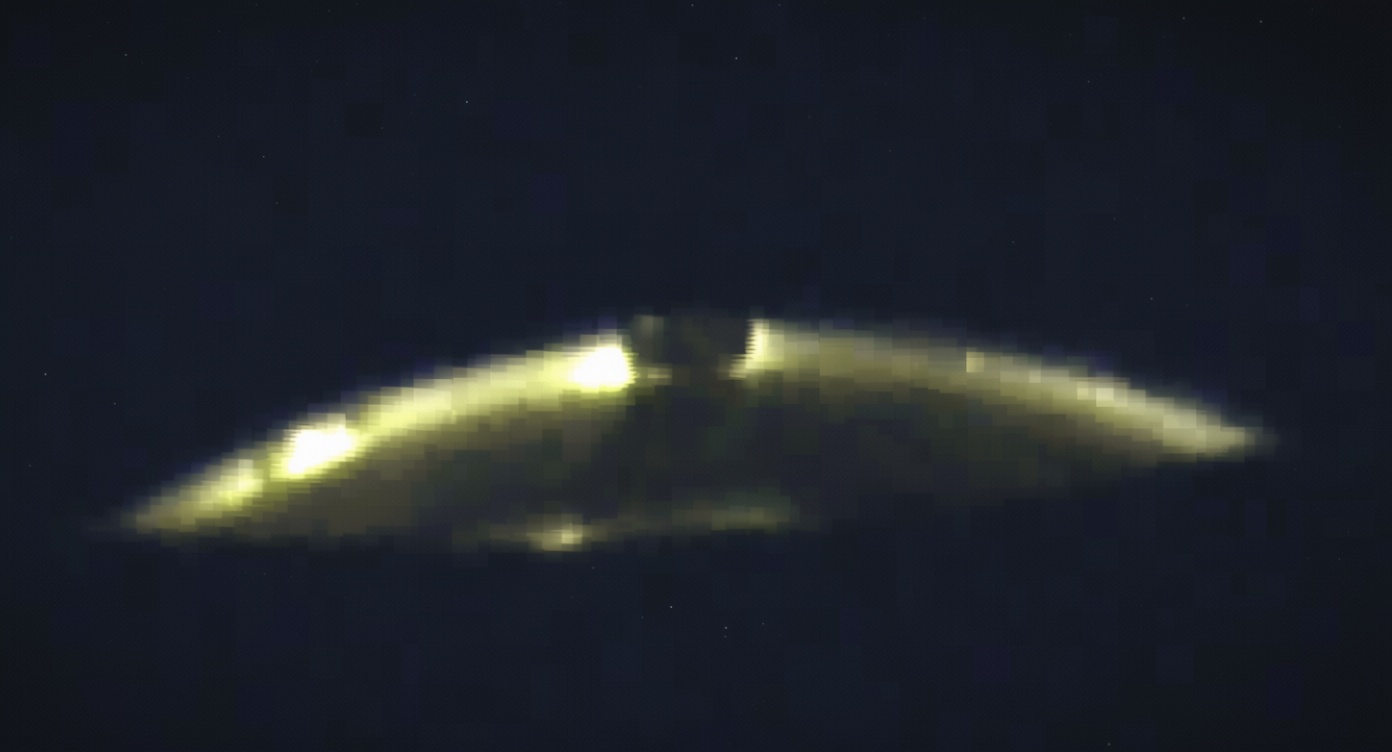
According to Loeb’s own description of the council’s remit, the group will work with unclassified information and focus on improving evidence collection, instrumentation, and analysis methods. That distinction is central to how the effort is being framed. A strange video or sensor return can be intriguing, but without details such as camera calibration, viewing angle, range, atmospheric conditions, and sensor behavior, it may be impossible to determine whether the event was extraordinary or simply misidentified.
In that sense, the council appears designed to make UAP reporting more scientifically robust rather than more speculative. The emphasis is on testing explanations against data—whether those explanations involve aircraft, balloons, drones, satellites, weather effects, or sensor artifacts—before moving to more extraordinary interpretations. That approach aligns with the government’s stated goal of treating unexplained reports as a data problem first.
Why Loeb’s appointment matters
Loeb, the Frank B. Baird Jr. Professor of Science at Harvard and a former chair of the university’s astronomy department, has built a long career in theoretical astrophysics, studying topics such as the early universe, black holes, and the first stars. But it is his work on ʻOumuamua that made him a public figure beyond academia. The object’s unusual brightness changes, lack of a visible coma or tail, and slight non-gravitational acceleration led Loeb and collaborator Shmuel Bialy to explore whether sunlight pressure on a thin object could explain the motion.
Most astronomers continue to view ʻOumuamua as a natural phenomenon whose full nature remains uncertain because observations were limited. Still, Loeb’s willingness to challenge conventional assumptions has made him a fitting and controversial choice for a council meant to examine the unexplained without dismissing it out of hand. For the U.S. government, the appointment signals a desire to bring more rigorous science to a field long shaped by secrecy, fragmented data, and public mistrust.