Overview
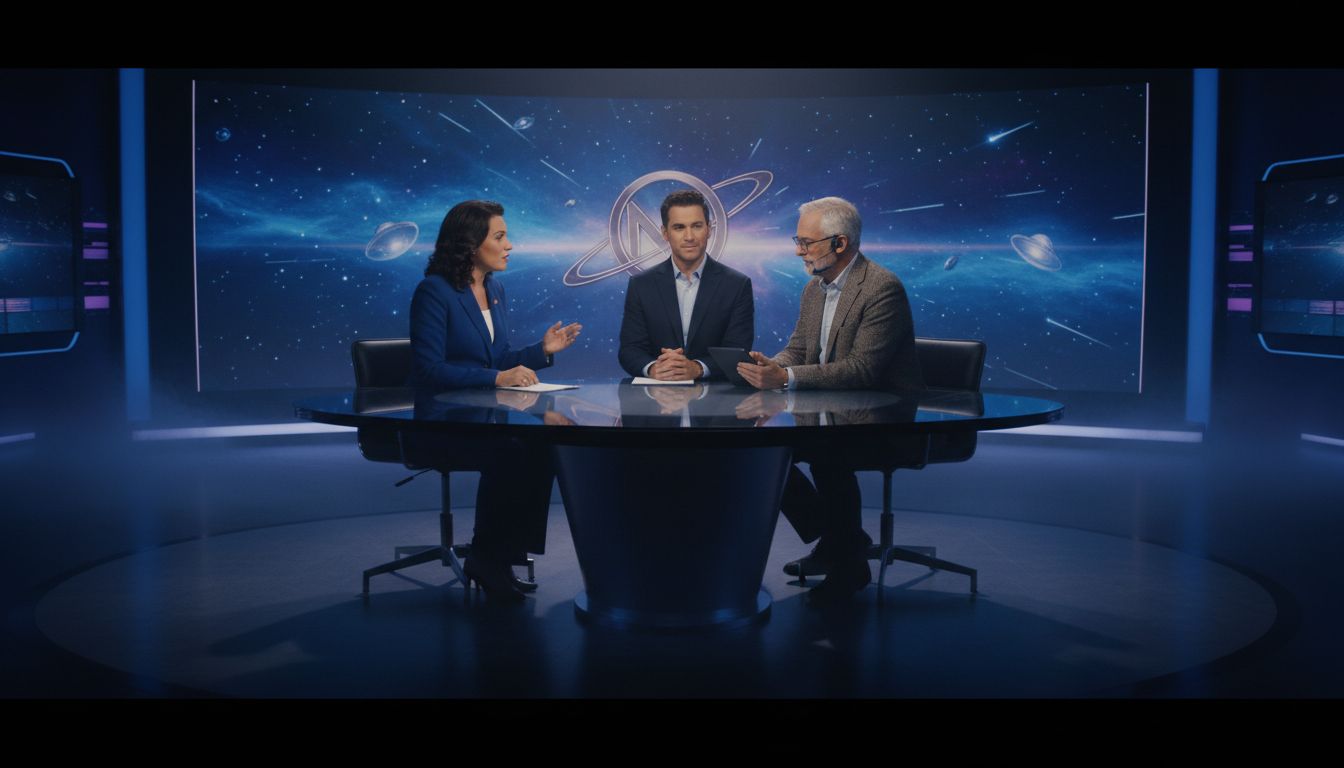
A new video segment titled “Breaking UAP Disclosure News” was released this week, featuring U.S. Representative Luna and Harvard astrophysicist Dr. Avi Loeb. Hosted by independent media producer Michael Mott, the program examined the latest developments surrounding unidentified aerial phenomena (UAP) and reiterated longstanding demands for greater openness from federal agencies. The discussion arrives amid a growing wave of congressional hearings, Pentagon reports, and public interest in the scientific and security implications of unexplained aerial observations.
Participants
Congresswoman Luna, a member of the House Committee on Science, Space, and Technology, has become a vocal advocate for UAP transparency since the 2022 bipartisan hearings. In the segment she emphasized the legislative responsibility to “ensure that taxpayers know what the government knows about potential threats to national security.”
Dr. Avi Loeb, the inaugural Frank B. Baird, Jr. Chair in Science at Harvard University, has spent the past several years studying the possibility of extraterrestrial technology, most notably through his work on the interstellar object ‘Oumuamua. Loeb’s involvement adds a scientific perspective, stressing that “rigorous data collection and peer‑reviewed analysis are essential before jumping to conclusions.”
Michael Mott, the producer and host, is known for covering fringe scientific topics with a focus on evidential standards. His platform seeks to bridge the gap between the scientific community, policymakers, and the interested public.
Key Discussion Points
The conversation opened with a review of the 2023 Office of the Director of National Intelligence (ODNI) assessment, which cataloged 414 UAP incidents over the previous two decades, with 144 still classified as “unexplained.” Luna highlighted that “the sheer volume of reports, many from credible military pilots, compels us to move beyond secrecy.”
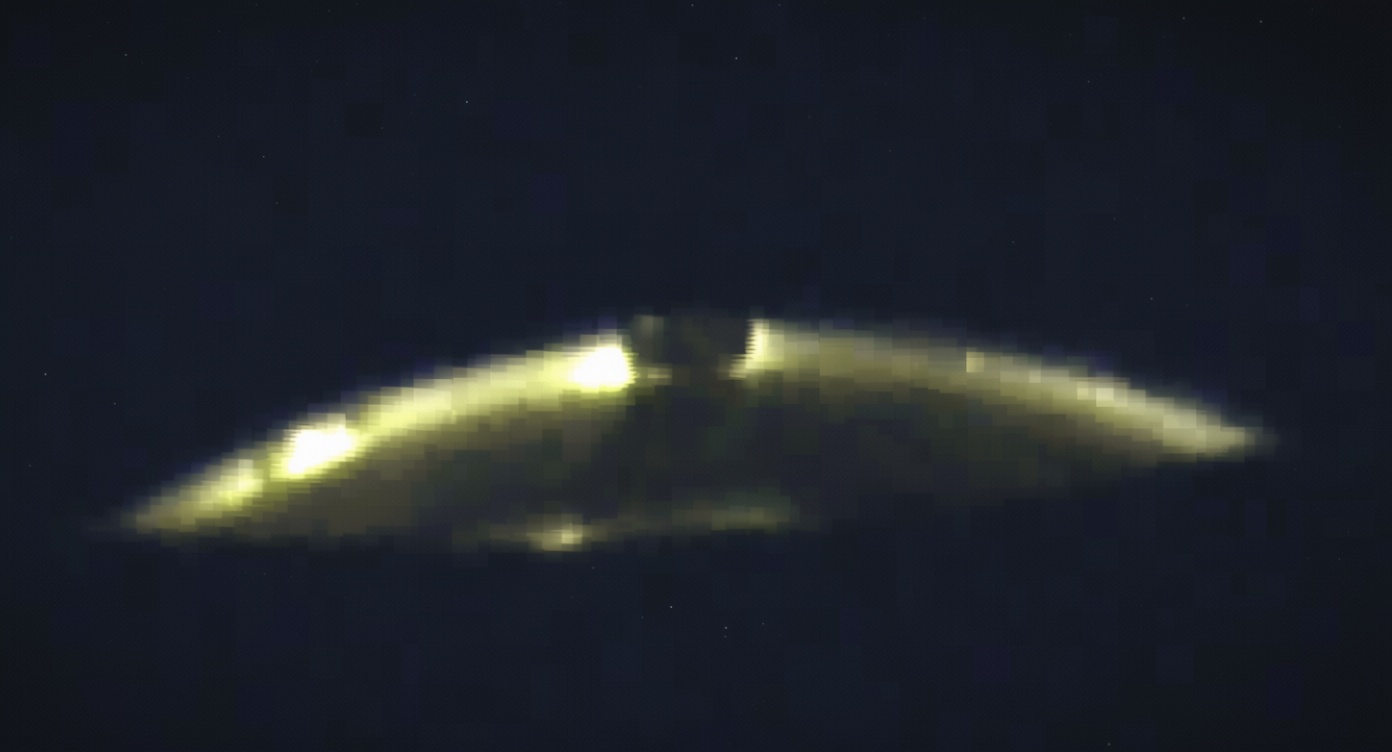
Loeb referenced recent spectral analyses of UAP footage released by the Department of Defense, noting that while some data suggest conventional explanations—such as sensor anomalies or classified aircraft—other cases display “kinematic characteristics that challenge our current aerodynamic models.” He cautioned against sensationalism, urging that “the scientific method must guide any claim, whether it points to advanced human technology or something else entirely.”
Mott facilitated a dialogue on the legal framework governing UAP investigations. Luna pointed to the 2022 National Defense Authorization Act, which mandated the establishment of a permanent UAP office within the Pentagon. She argued that “legislation alone is insufficient; we need robust oversight mechanisms, whistle‑blower protections, and timely public reporting.”
Calls for Transparency
All three participants converged on a call for systematic transparency. Luna proposed a bicameral oversight committee with the authority to request declassified data from the Defense Department, the intelligence community, and NASA’s Aeronautics Research Mission Directorate. “An independent review board, staffed by scientists, engineers, and security experts, would provide the credibility that the public demands,” she said.
Loeb offered a complementary recommendation: the creation of a centralized, open‑access database for UAP sightings, modeled after the astrophysics community’s archives for transient events. Such a repository, he argued, would enable “cross‑disciplinary analysis, reduce duplication of effort, and allow peer verification of anomalous observations.”
Mott underscored the importance of clear communication. He suggested that future briefings include both classified summaries for security officials and unclassified synopses for the public, thereby “maintaining national security while fostering an informed citizenry.”
Implications and Next Steps
The segment arrives at a pivotal moment. The Pentagon’s UAP Task Force is expected to submit its final report to Congress later this year, and several lawmakers have announced plans to introduce amendments that would expand the scope of required disclosures. If adopted, these measures could reshape how the United States handles anomalous aerial observations, potentially influencing international norms on data sharing.
For the scientific community, Loeb’s emphasis on rigorous methodology signals a willingness to engage with the phenomenon without compromising standards. Researchers at institutions such as the SETI Institute have expressed interest in collaborating on data‑analysis protocols, indicating a possible shift from fringe speculation to mainstream inquiry.
Congresswoman Luna’s legislative agenda, combined with Dr. Loeb’s academic credibility, may provide the bipartisan momentum needed to move UAP disclosure from occasional headlines to a structured, accountable process. As the conversation continues, stakeholders from defense, science, and the public will be watching closely to see whether transparency becomes a policy reality or remains a rhetorical promise.