Overview
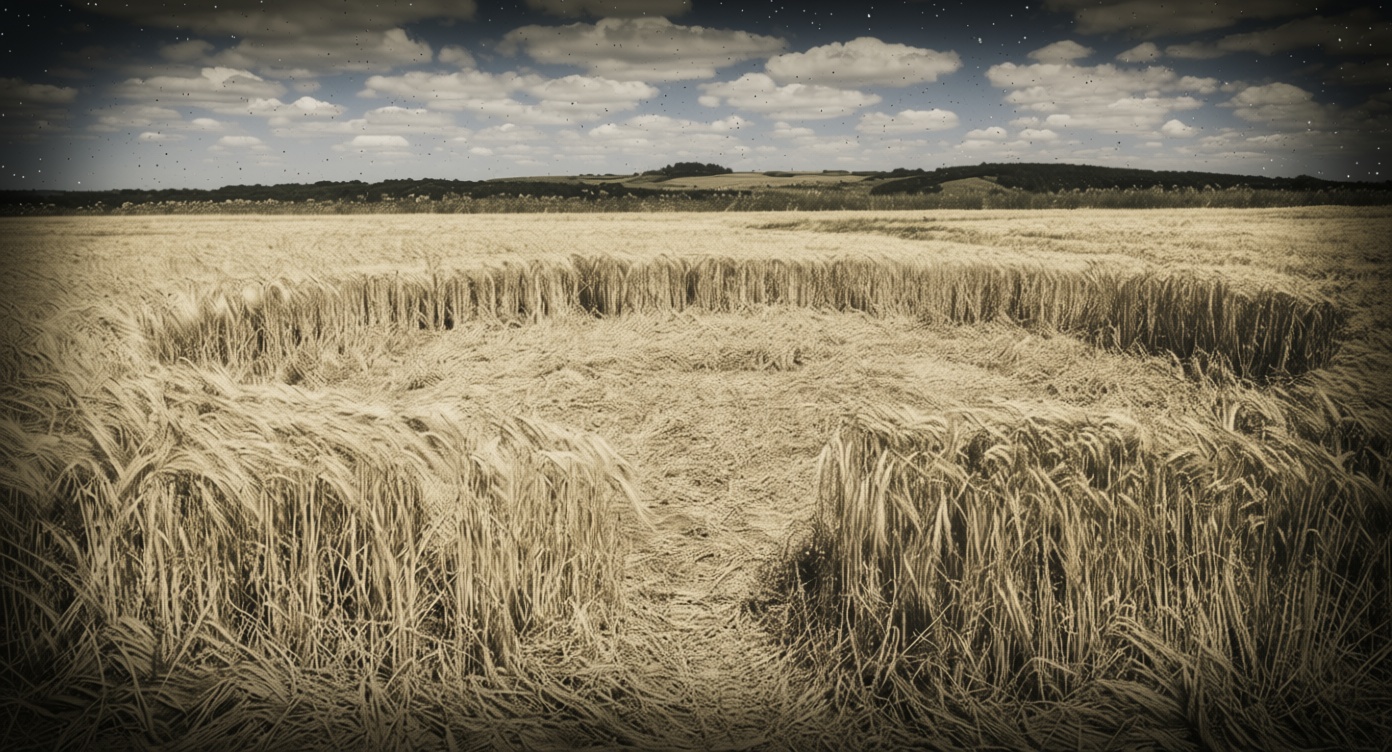
A fourth crop formation of the 2026 season has been reported in Wiltshire, England, renewing attention on Britain’s long-running crop circle phenomenon just weeks into the summer field season. According to Coast to Coast AM, the formation emerged after a relatively quiet start to the month and quickly drew visitors, researchers and online interest because of its intricate appearance and the controversy surrounding how it was made. The outlet described the design as a “dazzling” new addition to a year already marked by several other formations, underscoring how crop circles continue to generate a mix of curiosity, skepticism and debate.
The report, published June 17, 2026 and credited to Tim Binnall, also linked to a video of the formation, reflecting the degree to which crop circle discoveries are now documented and debated in real time. As with many such cases, the central question was not whether the pattern was visually impressive, but whether it could be explained by human activity. Wiltshire, a region long associated with crop circles, remains one of the most closely watched areas in the UK for these seasonal appearances.
Questions of Origin
Skeptics were quick to argue that the formation was manmade, a position that has become the default explanation for most crop circles in the modern era. However, the source material notes a wrinkle that complicated the discussion: new additions reportedly appeared while people were watching. That detail has not settled the question of authorship, but it has kept the conversation alive among enthusiasts who view such developments as evidence that at least some of the activity may be more elaborate than a simple overnight prank.
Even so, observers have not pointed to any definitive proof of non-human involvement, and the broader crop circle field remains one where artistry, hoaxing, folklore and local tourism often overlap. The appearance of a polished formation in a heavily trafficked rural area is enough to attract instant claims on both sides — believers see a mystery, while critics see a carefully staged human design. In this case, the dispute appears to have intensified rather than resolved as more people gathered to inspect the site.
Farmer Frustration and Aftermath
What ultimately ended the formation’s visibility was not a formal investigation, but the response of the local farmer, who had grown increasingly frustrated by damaged crops and trespassing visitors. The report says the farmer eventually mowed down the formation, effectively erasing the design from the field. For landowners, that reaction is not unusual: crop circle sites can quickly become magnets for photographers, curiosity seekers and unauthorized visitors, all of whom can leave behind footprints, flattened plants and other damage that complicates both harvests and property rights.
The episode highlights a recurring tension in crop circle season. What begins as a striking visual anomaly can rapidly become a nuisance for the people whose land is affected. While researchers and enthusiasts may see the formations as objects of study, farmers often experience them first as disruptions to their livelihood.
Broader Context
The latest Wiltshire formation fits into a broader pattern in which crop circles continue to appear annually across southern England, often sparking the same familiar questions about craftsmanship, motive and meaning. Whether viewed as elaborate human-made art, a practical joke or something more mysterious, the formations remain culturally potent precisely because they sit at the intersection of science, skepticism and speculation. In this case, the immediate aftermath — debate, crowds and eventual destruction by the farmer — may be as telling as the formation itself.