Overview
Some questions continue to draw public fascination regardless of how much evidence is available — or how little. At the Cradle of Aviation Museum on Long Island, that enduring curiosity is the basis for “UFOlogy: Close Encounters at the Cradle,” a daylong program designed to examine unexplained aerial sightings through a mix of science, discussion and hands-on demonstrations. The event arrives amid renewed attention to unidentified aerial phenomena, a topic that has moved from fringe speculation into mainstream news and government conversation in recent years.
Science, Speculation and Spectacle
Museum executive director Jen Baxmeyer said the timing made sense. “We thought it was a good opportunity because there’s been so much in the news and media over the past few years,” she said. “Everyone’s been talking about it. We said, ‘Let’s use this as an opportunity to talk about some of the science and technology occurring out there and even some of the fun science that goes into investigating these things.’” That approach reflects the museum’s effort to treat UFO reports not as pure mystery entertainment, but as a way to introduce visitors to the methods used to assess what is — and is not — known.
Throughout the day, guests can take part in demonstrations involving drones, astronomy and investigative technology, while a 300-drone light show caps the event. The displays are inspired by aviation, space exploration and extraterrestrial lore, blending the museum’s educational mission with crowd-pleasing visuals. Organizers have also leaned into a playful atmosphere, with activities ranging from comic book creation and face painting to an alien-themed version of the game Operation, described as an “alien autopsy.”
Investigating the Unknown
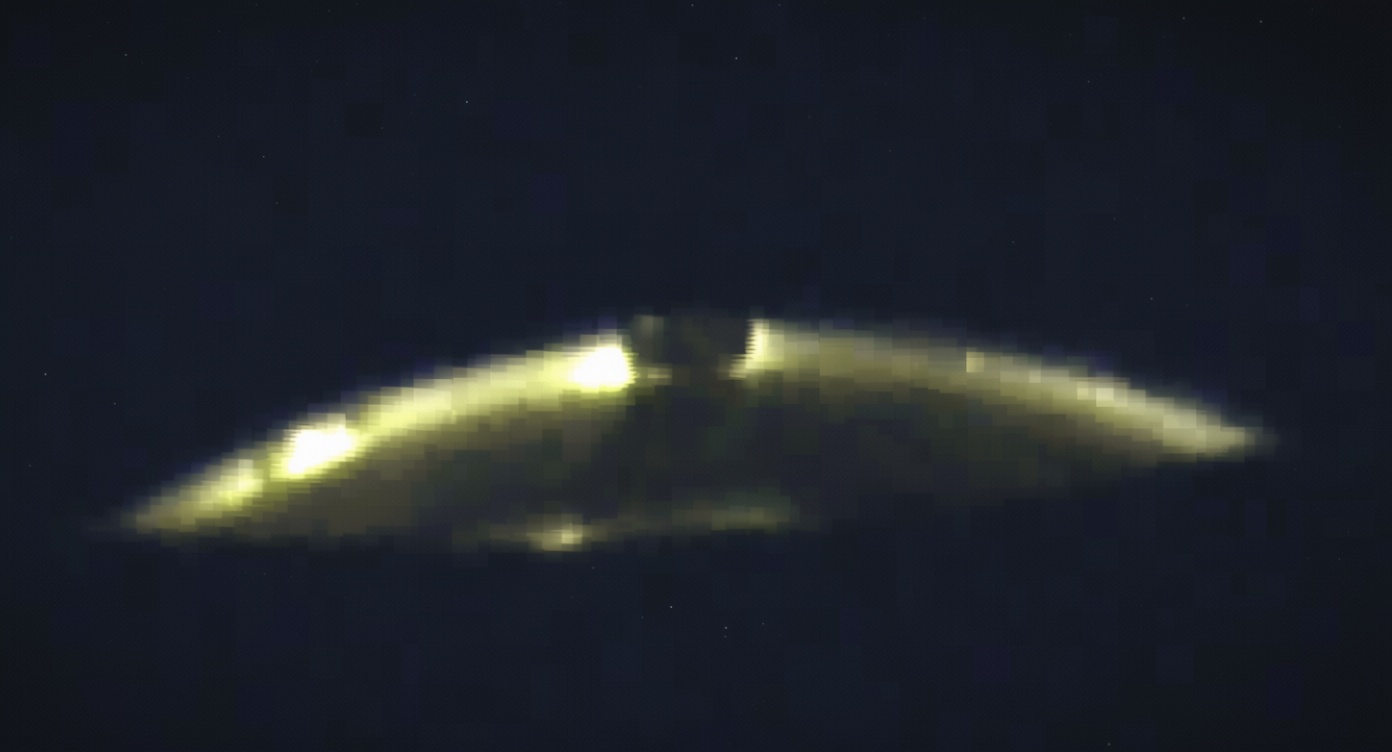
A key part of the program is the emphasis on how researchers evaluate mysterious sightings using practical scientific disciplines. Featured speaker Ben Hansen, a UFO investigator, is set to discuss how analysts apply physics, meteorology and mathematics when reviewing images, videos and eyewitness accounts — including cases from New York City and Connecticut. That analytical lens is central to the museum’s message: many reported anomalies may ultimately have conventional explanations, but careful documentation is essential before drawing conclusions.
Long Island-based researchers the Tedesco Brothers are also slated to showcase the cameras, sensors and field equipment they use to document aerial events. Though the article’s preview cuts off before detailing their full presentation, their inclusion underscores the event’s local focus and its effort to connect amateur interest with the tools of professional-style observation. By featuring regional experts, the museum is grounding a widely debated topic in the specifics of observation, recording and verification.
Learning Through Entertainment
Baxmeyer said much of the programming is meant to disguise STEM lessons inside engaging experiences. “They’re not going to realize that they’re actually learning science,” she noted. Visitors can explore buoyancy and air pressure through a hovering UFO-inspired craft, experiment with drones, or create comets and launch film-canister rockets powered by dry ice and Alka-Seltzer to better understand propulsion and space travel. The goal, organizers say, is to make abstract concepts accessible without losing the sense of wonder that makes the subject so compelling.
Broader Context
Events like this reflect a larger cultural shift around UFOs and UAPs: the conversation is no longer limited to believers and skeptics, but increasingly includes educators, engineers and scientists willing to examine claims carefully. By pairing investigation with entertainment, the Cradle of Aviation Museum is offering visitors a structured way to explore one of humanity’s oldest questions — what is out there, and how do we know what we’re seeing?