Overview
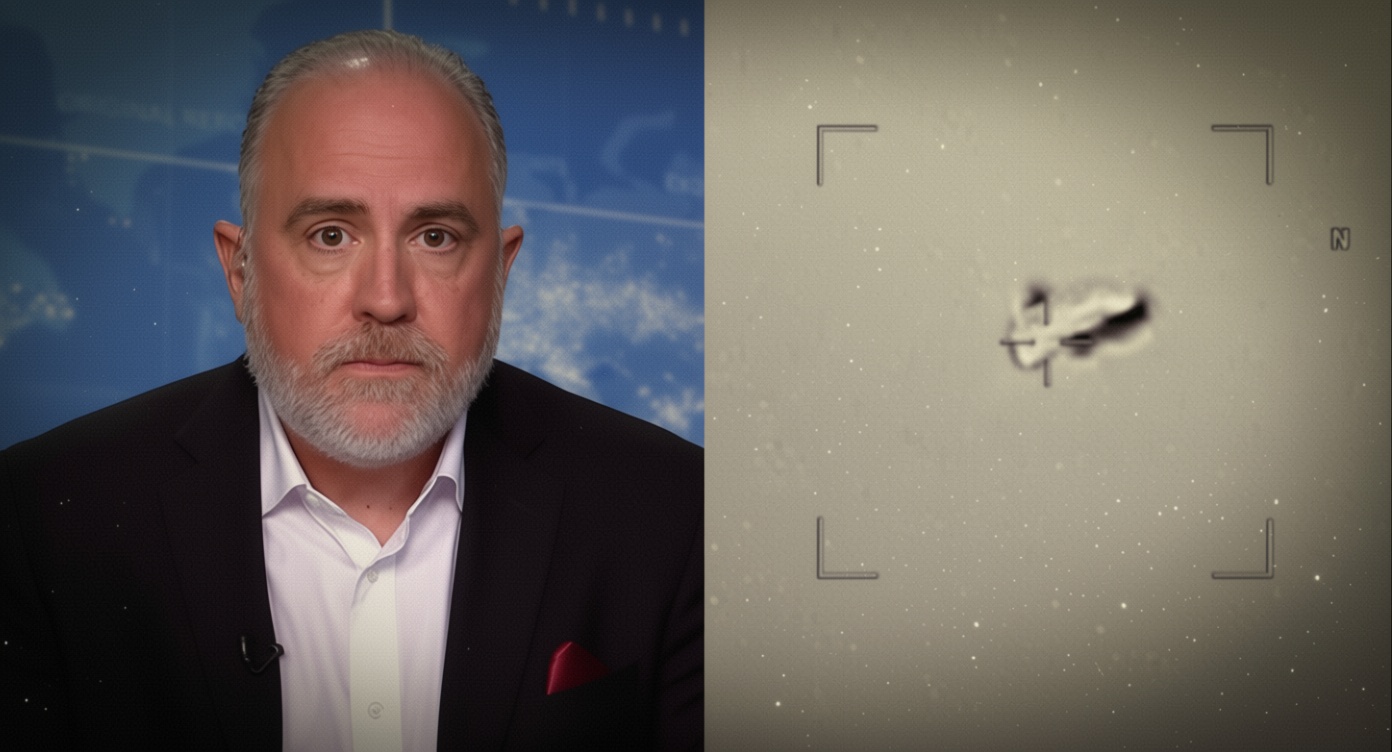
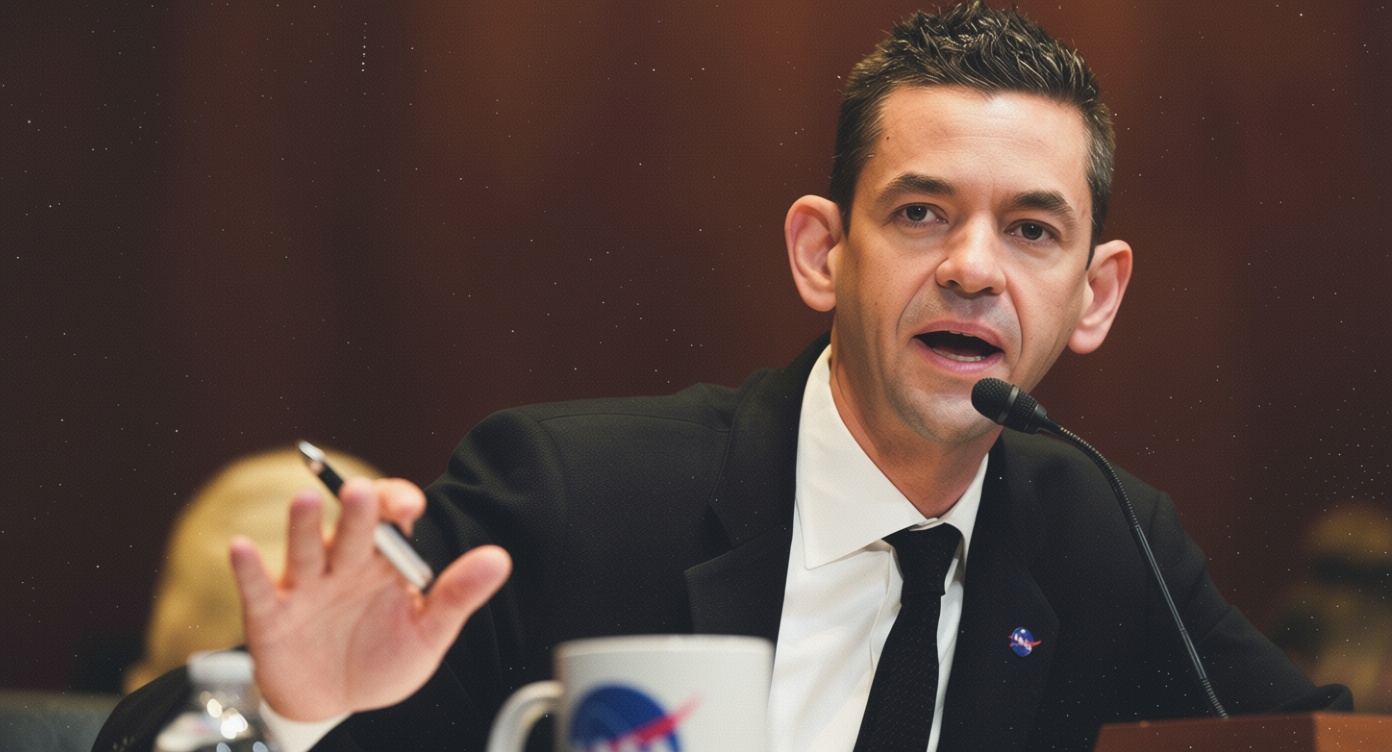
NASA’s top leader has acknowledged that the agency possesses UFO, or UAP, imagery that remains unexplained, underscoring how even one of the world’s most advanced scientific institutions still encounters aerial observations it cannot yet identify. In a brief but notable admission, the NASA chief said of some of the material the agency has reviewed: “We don’t know what it is.” The comment adds a measure of candor to the agency’s public position on unidentified aerial phenomena, a subject that has drawn renewed attention from lawmakers, defense officials, scientists and the public alike.
The remark is significant not because it confirms an extraterrestrial origin — it does not — but because it reinforces a key point often lost in speculation: unidentified does not mean explained. NASA’s statement suggests that the agency has visual evidence or imagery that defies immediate classification, yet has not determined whether the objects represent sensor anomalies, conventional aircraft, natural phenomena, or something else entirely. That uncertainty, the agency chief’s words imply, remains an open scientific question rather than a settled conclusion.
What NASA is saying
NASA has increasingly framed the issue in terms of UAP, or unidentified anomalous phenomena, rather than the older “UFO” label, a shift meant to reflect a broader scientific approach. The agency’s latest acknowledgement fits that pattern. By admitting that it has imagery it cannot explain, NASA is signaling both transparency and restraint: it is not dismissing the sightings, but it is also not leaping to dramatic conclusions.
That balance matters. In recent years, federal agencies have faced pressure to take unexplained sightings more seriously while avoiding sensational claims unsupported by evidence. NASA’s chief appears to be reinforcing that standard. The agency’s posture, as reflected in this comment, is that some observations remain unresolved because the data are incomplete, not because the phenomenon has been definitively categorized. In practical terms, that means more analysis, better sensors, and more rigorous reporting will be needed before any firm conclusions can be drawn.
Broader context and implications
The admission also comes at a time when UAP reporting has moved from the fringes of public debate into mainstream policy discussion. Congress has held hearings, the Pentagon has expanded its reporting mechanisms, and government agencies have been pressed to explain what is known — and what remains unknown — about unexplained sightings in U.S. airspace. NASA’s acknowledgment that it has unexplained imagery gives added weight to those efforts, while reminding observers that the challenge is as much about data quality and interpretation as it is about discovery.
For scientists, the statement is a reminder that unexplained observations are not inherently extraordinary; they are often the starting point for investigation. For the public, however, the phrase “we don’t know what it is” will likely fuel curiosity and speculation. Still, NASA’s message appears carefully measured: the agency has evidence that warrants attention, but not enough to make a definitive identification. Until that changes, the imagery remains in the category that has long defined the UAP debate — real observations, incomplete answers, and a search for clearer evidence.