Overview
NASA’s approach to UFOs — now more commonly referred to as unidentified anomalous phenomena (UAPs) — has shifted significantly over the decades, reflecting broader changes in public attitudes, government policy, and scientific inquiry. In Newsweek’s timeline, the agency’s current emphasis on careful, evidence-based investigation stands in stark contrast to the skepticism that long dominated official and academic responses. As new reports, congressional hearings, and government reviews have pushed UAPs back into the spotlight, NASA has increasingly framed the issue not as a fringe topic, but as a legitimate question for science.
Early Openness in the 1940s and 1950s
The modern UFO era is generally traced to 1947, when pilot Kenneth Arnold reported seeing nine fast-moving objects near Mount Rainier, followed by the Roswell incident that same year. By 1948, the U.S. Air Force had launched Project Sign, its first formal investigation into UFOs, and early official responses were relatively open-minded. Former NASA official and UAP study team member Michael Gold said in a recent interview that the phenomenon was once discussed with far less stigma. “It is true that in the 40s and 50s, people took this phenomenon seriously and were able to talk about it without fear,” Gold said, noting that the atmosphere later changed as institutions grew more dismissive.
That earlier period produced some of the most famous visual evidence in UFO history. One example highlighted in the timeline is a 1952 photograph taken by Coast Guard photographer Shell R. Alpert in Salem, Massachusetts, who captured four bright objects in a V-formation above power plant smokestacks. The image became one of the most circulated daylight UFO photos of the decade and was ultimately listed as unexplained. At the time, such cases were investigated with a degree of seriousness that would become far less common in the decades that followed.
How Stigma Took Hold
According to Kanishkan Sathasivam, a politics and international relations professor at Salem State University, the decline in openness had as much to do with institutional power as it did with public perception. He told Newsweek that “the government and academia were among the most trusted institutions in the country” during the early years, and that many Americans were willing to follow their lead. Over time, however, that trust helped reinforce a culture in which witnesses and researchers felt discouraged from speaking publicly. Sathasivam said academia and government later joined in “dismissing UAP reports and mocking and punishing people who spoke out about them,” contributing to the long-term stigma surrounding the subject.
NASA’s Modern Scientific Turn
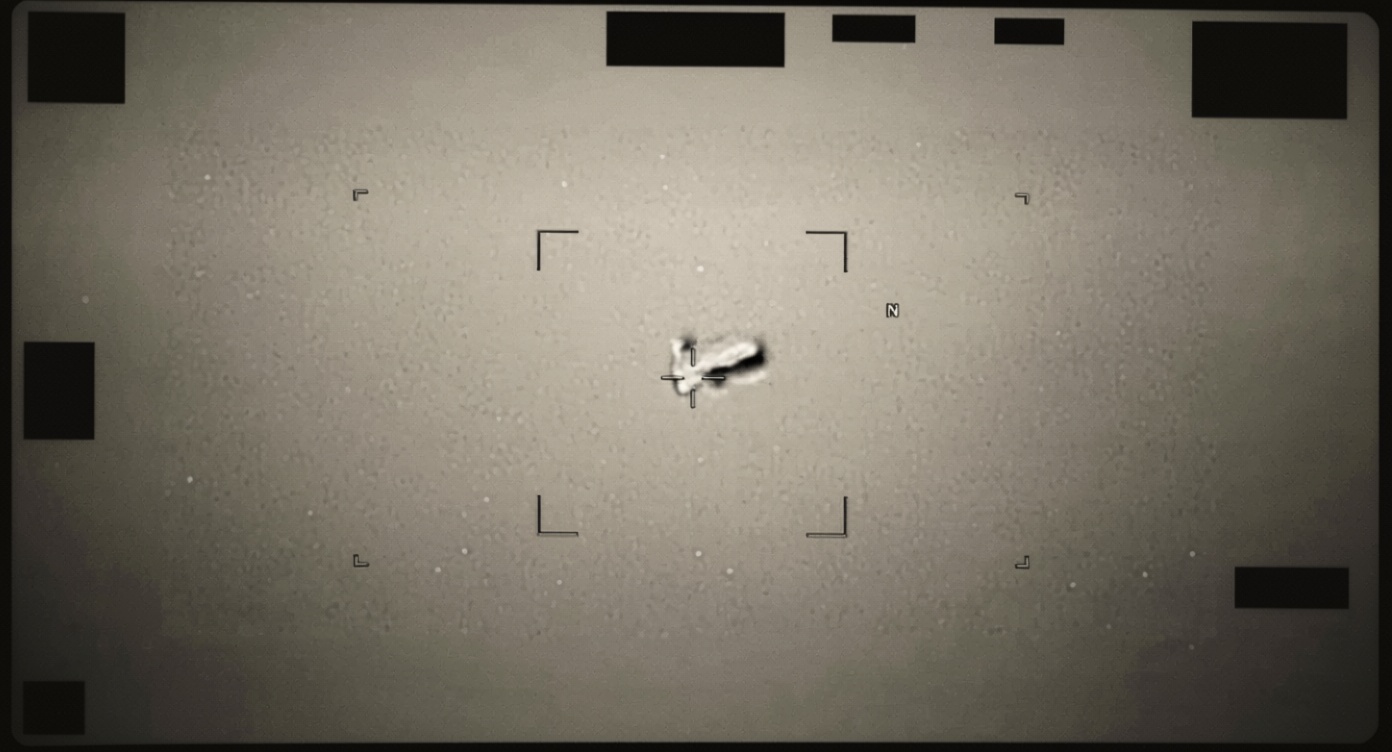
That climate is now changing again. While NASA has not historically positioned itself as a UFO agency, it has increasingly embraced scientific scrutiny as public interest and official attention have grown. The rise of UAP reporting, along with congressional hearings and the work of the government’s All-domain Anomaly Resolution Office (AARO), has pushed the phenomenon into a more formal research environment. Rather than treating unexplained sightings as a matter for speculation, NASA’s current posture reflects a broader institutional shift: if objects in the sky cannot be readily identified, they should be studied with rigorous tools, better data, and less prejudice.
Why the Shift Matters
The timeline underscores a larger cultural transformation as much as a scientific one. What began as a field marked by early curiosity, later skepticism, and decades of ridicule is now re-entering mainstream discussion through official channels. For NASA, that means navigating a delicate balance: remaining cautious about extraordinary claims while acknowledging that unexplained observations deserve methodical investigation. In the end, the agency’s changing stance mirrors the evolution of the debate itself — from a subject once considered taboo to one increasingly treated as a serious unresolved question.